


 Edit by: Sundeep Katragadda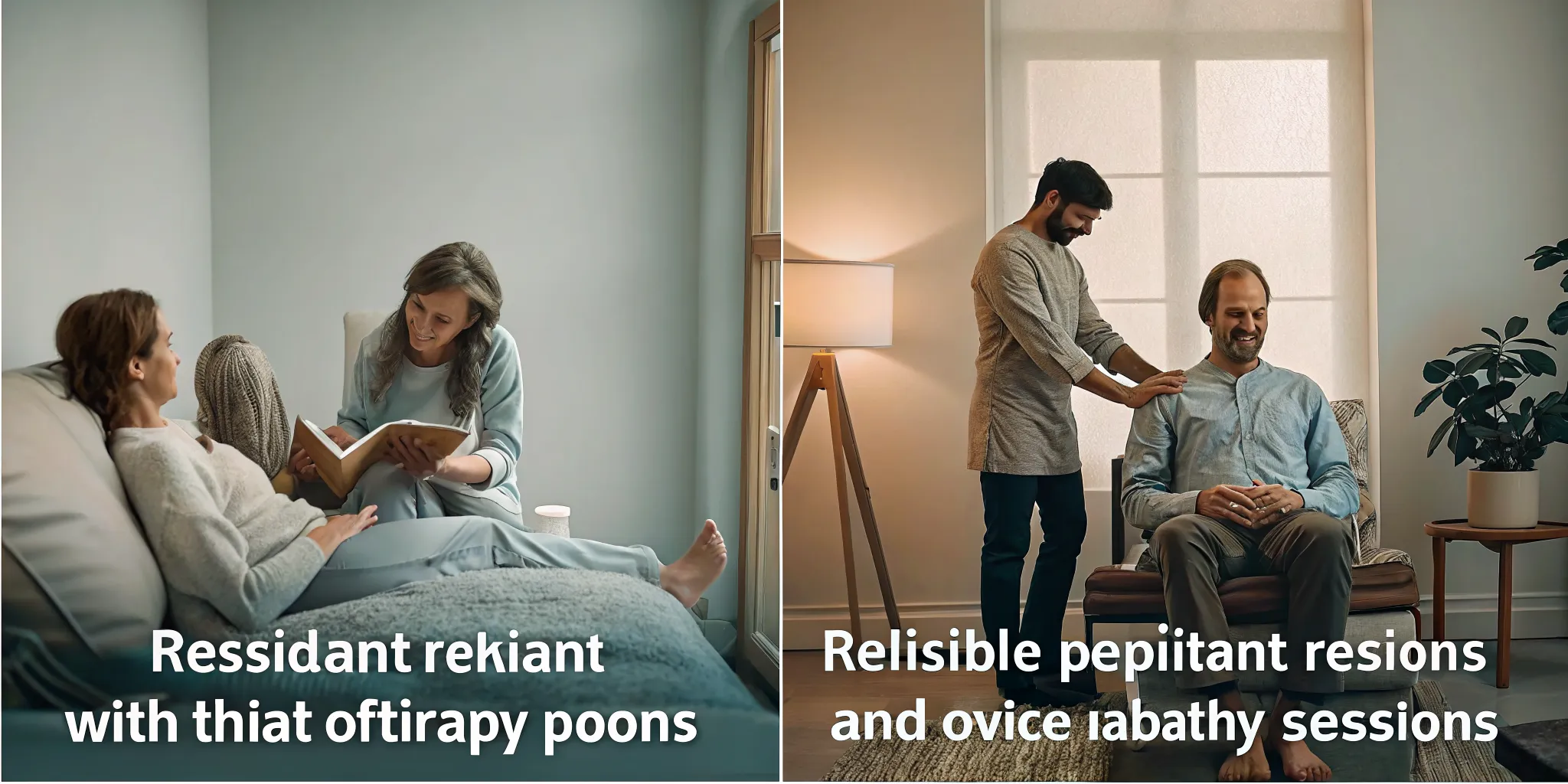
Selecting the right treatment environment is one of the most important choices you will make on your recovery journey. For some people, the 24-hour structure of a live-in center is essential for safety and progress. For others, a flexible program that lets them stay at home while attending therapy sessions is the better path. Understanding the difference can help you make the choice that gives you the best chance at lasting health.
Deciding between inpatient vs outpatient rehab depends on the strength of your addiction, your home life, and your daily duties. Inpatient care provides 24-hour medical watch and a very structured setting within a live-in center, which is often best for those with severe habits or unsafe homes. Outpatient programs let you live at home while attending set therapy sessions, giving you the freedom to keep working or caring for your family. Research from the National Institutes of Health shows that patients with high mental health needs or weak support systems often have better results in inpatient centers. On the other hand, those with stable homes and lower medical risks may find success in outpatient care. Both paths offer proven therapy, but the choice must be based on a doctor’s check.
Picking the right level of care is the first step toward a healthy life. To help you decide, we will look at how each plan works and what you can expect. The process starts by answering: what is inpatient rehab?
What Is Inpatient Rehab?
Inpatient rehab is a high level of care where you live at a treatment center while you work on your recovery. These programs give you a safe place to stay away from the triggers of your daily life. They offer around-the-clock care and supervision so that you always have support when you need it most. This setting is often the best choice for people with severe addictions or those who live in an unsafe home environment. You will have experts near you at all times to help you stay safe and on track.
Residential care helps you focus only on your health. By living at the center, you leave behind the people and places that might lead to a relapse. The staff works to make sure you have the tools you need to build a new life. This level of care is very helpful for those who have tried other ways to quit but have not yet found success.
Care and Medical Detox
A core part of most inpatient drug rehab programs is medical detox. This process helps you manage withdrawal in a safe way while doctors and nurses watch over you. Having medical help is vital because some withdrawal symptoms can be dangerous or even deadly. In a residential facility, the staff can give you medicine and care to keep you stable as your body clears out drugs or alcohol. This helps you start your stay with a clear mind and a stable body.
Supervision does not stop once detox ends. Inpatient units provide help 24 hours a day to manage psychiatric needs and physical health. Research shows that people with high psychiatric severity often have better outcomes in these live-in settings. The constant care helps prevent early treatment failure and keeps you focused on your goals each day. You can reach out for help at any hour, which reduces the risk of giving up when things get hard.
Daily Life and Structure
Daily life in a residential center is very structured to help you build new, healthy habits. A typical day includes a mix of group therapy, one-on-one counseling, and wellness activities like exercise or art. This full schedule leaves little downtime, which helps you avoid cravings and stay engaged in your plan. You will spend most of your time learning how to cope with stress without using substances. Peer support is also a big part of the day, as you share your path with others in the same situation.
The length of your stay can vary based on your specific needs and progress. Most substance abuse programs average between 30 and 45 days, though some stays last as long as 90 days. Short-term care for mental health needs might only last two to four weeks. Your clinical team will help decide how long you need to stay to get the best results. They will look at how you are doing and what tools you still need to learn before you go home.
Types of Facilities
There are two main types of inpatient settings where you can receive care. Some units are based in a hospital, which is often best if you have complex medical needs. Other programs are based in the community in a residential home setting. Clinical guidelines show that both types can be run by the government or by private groups. The right choice for you depends on your health, your history, and your budget.
Hospital-based programs have a wide range of medical tools and specialists on site. Community-based homes may feel more like a real home and offer a calm place to heal. Both types aim to give you the best chance at long-term recovery. Talk to a pro to find out which type of center fits your needs and helps you reach your goals in the safest way.
What Is Outpatient Rehab?
Outpatient rehab is a type of care where you live at home while you get help for drug or alcohol use. Unlike inpatient care, you do not stay overnight at a clinic. Instead, you go to a clinic for therapy or medical checks at set times. This path lets you keep up with your daily life, such as your job, school, or family needs. You get the tools for recovery while staying in your own home environment.
This path is often a good fit if your addiction is not severe and your home is safe and stable. It costs less than staying in a facility because you do not pay for a room or meals. However, you must have a strong group of people to support you. Since you are not in a locked facility, you need the drive to stay sober while you face triggers in the real world.
Three levels of outpatient care
Most outpatient drug rehab options fall into one of three groups. Each one offers a different amount of care based on what you need. A doctor will help you pick the right one.
- Partial Hospitalization Programs (PHP): This is the most intense level. You may spend up to six hours a day at the clinic for six days each week. It is for people who need a lot of medical help but can still sleep at home safely.
- Intensive Outpatient Programs (IOP): This level takes less time. You often attend three hours of care per day for three to five days each week. It works well for those who have finished a more intense program but still need a plan to follow.
- Standard Outpatient Care: This is the most flexible level. You may only go to the clinic for a few hours each week. It focuses on talk therapy and group meetings to help you stay on track over the long term.
Length of treatment and effectiveness
The time you spend in outpatient care varies. Most people stay in a program for three months, but some stay for a year or more. The goal is to give you enough time to learn new habits. Studies show that for alcohol use, outpatient care can be just as helpful as staying in a hospital. This is good news for people who need to keep working while they get well.
But there are risks to think about. You may face a higher chance of stopping care early compared to those in a residential program. In the real world, it can be hard to say no to drugs or alcohol if your friends still use them. For this reason, you should talk to a pro to see if you have the right support at home before you start.
Research from academic studies found that people with good social support and lower mental health risks do very well in these programs. If you have a stable home and a clear plan, outpatient care can be a great way to start your new life. You can verify your insurance benefits to see which level of care your plan covers today.
Inpatient vs Outpatient Rehab: Key Differences
Choosing the right care path is a big step in the recovery journey. Both paths aim to help you get sober, but they do it in different ways. The main choice usually comes down to how much care you need and how much time you can give each day. You must look at your own needs to pick the best fit. A health check can help you decide between inpatient vs outpatient rehab based on your health and home life. The right plan will offer the support you need to reach your goals.
Care and Daily Watch
Inpatient care puts you in a safe place for 24 hours a day. This means you have help at all times from staff and doctors. It is often the best choice for those with a high risk of relapse or bad health issues. Staying at the center helps you focus only on getting well. It keeps you away from things that might tempt you to use again. This full watch ensures you are safe as you start your new life. Staff can help you manage your mood at any time of day or night.
Outpatient care is more flexible. You stay at home and go to the center for a few hours each day. This lets you keep up with work, school, and family duties. While it gives you more freedom, it also means you face daily triggers on your own. You will need a strong group of friends or family to help you stay on track. Research shows that people with less health risk and good support often do well in these programs.
Home and Staff Support
Living at a rehab center means you have a set plan for each day. You sleep, eat, and go to therapy all in one spot. This helps you build new habits without outside stress. For many, this break from their normal life is what they need to start healing. It removes the stress of daily chores and lets you work on yourself. You will be around others who are also working to stay sober.
Staying at home during rehab means you must manage your own time. You will need to plan your trips to the center and handle your daily tasks. This can be hard if your home life is not stable. If you live with people who still use, it may be very tough to stay clean. But if your home is safe, you can practice what you learn in therapy right away. This can help you learn how to handle life without drugs in real time.
| Feature | Inpatient Rehab | Outpatient Rehab |
|---|---|---|
| Daily Plan | Full care 24/7 | Day or night sessions |
| Home Life | Live on-site | Live at home |
| Time | 30 to 90 days | 3 to 12 months |
| Cost | Higher due to room and board | Lower pay-per-day rate |
| Medical Help | Doctors on-site at all times | Help during clinic hours |
| Aftercare | Set up for you by the staff | You help plan your next steps |
Cost and Health Help
The cost of care is often a big point to think about. Inpatient stays cost more because you pay for a bed and three meals a day. You also pay for staff who are there 24/7. These costs cover the safe space and full care you get. Outpatient care costs less because you only pay for the time you are in therapy. You still live at home and buy your own food. Many insurance plans help cover both types of care.
Medical help during detox is another key difference. Inpatient centers give full medical care as you get drugs or alcohol out of your body. Doctors can give you medicine to help with pain or cravings. This is very important if you have used for a long time. Outpatient care may not give this same level of help. You may need to go to a separate detox center before you start your program.
Research and Outcomes
Studies show that both types of care can work well. For some, like those with alcohol issues, outpatient care can be just as helpful as inpatient stays. The key is to match the care to how bad the addiction is. If you have other health or mind issues, inpatient care may give more of what you need. A longer stay often leads to better results because it gives you more time to learn and heal. You will have more time to build a strong plan for when you leave rehab.
How to Choose Between Inpatient and Outpatient Rehab
Picking the right level of care is a vital step in your recovery. No single path works for every person. Instead, your choice should depend on a medical review of your needs. By looking at your health and lifestyle, you can find the program that offers your best chance for long term success.
Assess medical needs and addiction severity
The first step is to look at how often and how much you use. If you have a long history of heavy use, you may need a high level of care. A 24/7 home-like setting is often best for those at risk of hard withdrawal. In contrast, research shows that outpatient care can be as effective as inpatient stays for some people with alcohol issues who are stable.
A pro will use tools to gauge your risk. They check for health issues and the risk of relapse. If your addiction is severe, the set plan of an inpatient stay gives you a safe space to heal. You can learn more about inpatient rehab programs and how they help with medical detox.
Evaluate your home and support system
Your daily life plays a huge role in your recovery. If your home is stressful or if you live with others who use, an inpatient plan can offer a needed break. Studies show that people with weak social support systems often have better results in a place where they have care at all hours.
If you have a safe home and a strong group of sober friends, outpatient care might be a great fit. This lets you practice new skills in the real world while still having a safety net. You can read about outpatient treatment options to see if your support group matches these plans.
Consider mental health and daily duties
Mental health issues, like low mood or worry, need special care. If these are severe, an inpatient site can provide the help you need. But you must also weigh this against your daily tasks. Many people pick outpatient care because it lets them keep their jobs or care for their kids while they get help.
- Get a clinical check: A doctor will look at your health to suggest a level of care.
- Check your home life: Decide if your home is a safe place or if you need to move to a center to stay away from triggers.
- Look at other health needs: Find out if you need extra help for mental health issues.
- Review insurance and budget: Talk to your plan to see what they pay for and what your own costs will be.
- Look at your time: Think about work, school, and family to see if you can stay full time or need a flexible plan.
- Pick a program: Choose the site that best fits your needs and life to start your path to health.
Insurance is often a final factor for many families. Plans vary in what they will pay for, so it is key to check your perks early. You can verify your insurance benefits online to see which centers and levels of care are open to you based on your plan.
Does Insurance Cover Inpatient or Outpatient Rehab?
Most private insurance plans cover some part of addiction treatment. Under the Affordable Care Act, substance use disorder services are viewed as essential health benefits. This means plans must offer coverage for mental health and drug or alcohol rehab that is similar to medical or surgical care. The exact amount your plan pays depends on your specific policy and the level of care you need.
Coverage for Different Care Levels
Insurance plans usually cover both inpatient and outpatient rehab, but the rules for each can vary. For a residential stay, many plans require a medical need for 24/7 care. Outpatient care often has fewer hurdles, but you may still have a limit on how many sessions you can attend. Insurance coverage often dictates the type of care and how long you can stay in a program.
Wait times and out-of-pocket costs also differ between care levels. Inpatient care tends to cost more because it includes room and board. Outpatient programs are usually more affordable, but you must still cover copays for each visit. Research shows that people with strong support systems and lower health risks may do well in outpatient care without the high cost of a hospital stay.
Understanding Your Plan Limits
Your insurance policy sets clear limits on what it will pay. Most plans have a yearly deductible you must meet before the insurance starts to pay. You might also have a max limit on out-of-pocket costs for the year. After you reach that limit, the plan often pays for all covered care. It is wise to verify your insurance benefits to see what your plan covers for 2026.
Network status is another key factor in your total cost. Most insurance plans have a group of preferred providers who accept a lower rate. If you go to a rehab center outside of this network, you might pay much more. Some plans may not pay anything for out-of-network care. Always check if a facility is in your network before you start a program.
How to Verify Your Benefits
The best way to know your costs is to talk to a professional who can read your plan details. Many rehab centers can check your coverage for you for free. They can tell you about your copays, deductible, and any need for a referral. Clinical rules say that rehab units can be in hospitals or in the local community, and rehab services may be run by different groups. Getting a full check of your benefits helps you avoid surprise bills and lets you focus on your recovery.
Finding the Right Treatment Program for You
Finding the best path to recovery is a personal journey. The right first step for you depends on your health, your home life, and your goals. Most experts agree that the choice between inpatient vs outpatient rehab should start with a talk with a pro. This step helps you find a plan that fits your life and keeps you safe.
Getting a Professional Health Check
A health check is a key part of starting care. During this talk, a doctor or counselor looks at how bad your addiction is. They also check your mental health and your home support. Research shows that your choice of inpatient drug rehab programs should fit your needs. It should also be based on the safety of your home. If your home life is full of stress or triggers, a residential stay may be the safest choice.
These checks help match you with the right level of care. A counselor will ask about your drug use and any past tries at rehab. They want to see if you have a strong circle of friends or family to help you. People with deep support may do well in a less intense plan. But those who need a lot of help may find more success in a full-time program.
Checking Your Insurance and Costs
Cost is a big factor for many people seeking help. Your insurance plan often decides which care levels you can use. It can also set how long you stay in a program. To avoid surprise bills, you should verify your benefits today before you pick a place. This helps you see what your plan covers and if you will have to pay anything out of pocket.
Many top centers work with major health plans. They can help you check your coverage right on the phone. This step takes away the stress of the cost so you can focus on getting better. Knowing your budget makes it easier to compare outpatient drug rehab options or inpatient centers.
Preparing for Your First Call
Once you have a few options, start making calls. Talk to the staff and ask about their care plans. You should ask if they make a plan just for you or if everyone gets the same care. Care plans built for you often lead to the best results. It is also good to ask about their staff and how they handle medical needs.
Keep in mind that some plans have higher risks than others. Some studies show that outpatient programs may have a higher risk of early failure compared to inpatient care. This is often because it is harder to stay away from triggers when you are at home. Talking to a pro can help you decide if you are ready for that level of freedom.
Frequently Asked Questions
Which is more effective: inpatient or outpatient rehab?
Both types of care can help you get sober depending on your needs. A study in PubMed found that people with deep mental health issues often have better results in inpatient care. However, those with strong support at home may do just as well in a less intense program. Success depends on matching the level of care to your health after a clinical check.
Can I keep my job while attending outpatient rehab?
Yes, a big plus of outpatient care is that it is flexible. Many people keep their jobs or stay in school while they get help. Most basic programs require about three hours of care a day. This allows you to keep up with your daily life and family tasks. According to Addiction Resource, this path is best for those who have a safe home and a strong support team.
How long does inpatient rehab usually last for addiction?
The time you spend in care is different for every person. Most inpatient programs for drug use last about 30 to 45 days. However, your stay might be longer if you need more help with detox or mental health. Longer stays often lead to better results because they give you more time to learn new habits. Your insurance plan and health needs will help find the best length for your stay.
What should I do if my home is not safe for recovery?
If your home is not safe or you live with people who use drugs, inpatient care is the better choice. This path provides a drug-free place and a 24-hour watch to help you stay on track. Living in a facility lets you focus on your health without outside stress. A health worker can look at your home life to help you choose the path that offers the best chance to stay sober for good.
Ready to find the right rehab program today?
Picking between inpatient and outpatient care is a vital step, but waiting too long to act can lead to severe health risks and lost time. If you do nothing, your addiction may grow harder to beat while the cost to your health and family bonds only keeps going up. Starting your treatment path now helps you see real change sooner and gives you the expert support you need to find peace and stay clean.
Ready to verify your insurance benefits and take the first step toward recovery? Our team is standing by to help. Call (888) 786-9995 to talk to a treatment specialist and start your new plan today. We are here to help.





 FindTreatment.gov