



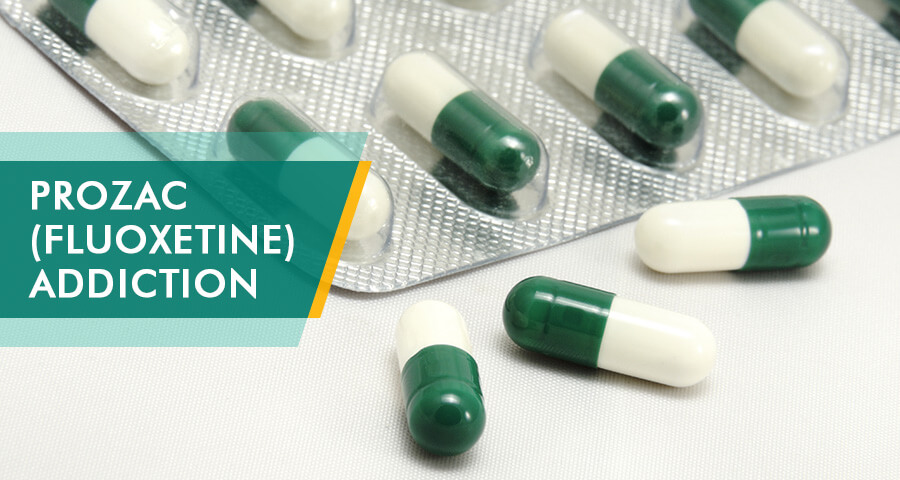
Prozac is the brand name for the antidepressant Fluoxetine.
The pros of Prozac include effective treatment for depression, OCD, and anxiety, while the cons involve side effects like insomnia, dizziness, and sexual dysfunction that often appear before therapeutic benefits become noticeable.
Prozac lacks chemical addiction properties but creates psychological dependence in many patients who rely on its mood-enhancing effects for daily functioning after long-term use.
Prozac addiction treatment involves specialized facilities that use cognitive-behavioral therapies to help patients overcome withdrawal symptoms and develop healthy coping mechanisms without pharmaceutical assistance.
It is also the only antidepressant so far approved by the FDA to treat children and adolescents suffering from depression.
What Is Prozac?
It is the most popular Fluoxetine brand name. Fluoxetine HCl is a molecule that acts as a selective serotonin reuptake inhibitor (SSRI) antidepressant. It belongs to the drug class of selective serotonin reuptake inhibitors and the pharmacological class of antidepressants.
More About Antidepressants:
More About Anxiety Medications:
Prozac uses the alteration of serotonin’s proportions in the brain that might be unbalanced for helping those who suffer from anxiety, depression, obsessive-compulsive disorders, or panic attacks. Brain cells produce serotonin released in the synapse to elevate good mood, and the excess is reabsorbed by the serotonin transporter. The SSRIs work by blocking the serotonin transporter and consequently stopping the serotonin reuptake in the presynaptic neuron, generating an accumulated larger amount of serotonin in the synapse, which in turn regulates the mood. As new research surfaces, the mechanism that Prozac uses along with the other SSRIs is being understood more. It is now believed that serotonin levels alone are not responsible for depression or its subsequent treatment. The state of depression is being understood more, and so are its treatments. The SSRIs are also believed to produce their effects by modifying gene expressions, influencing the epigenetic mechanisms, and changing microRNAs.
It shows that there is a significant number of adults suffering from depression. In 2019, this number was at 18.5%. While after the COVID-19 pandemic, this number has reached 31%. The NCHS report states that between 1988-1994 and 2005-2008, there was a 400% increase in people using Fluoxetine and other antidepressants. The result is 1 in 10 Americans using antidepressants. Among these antidepressants, SSRIs are the most prescribed class of drugs.
Fluoxetine Is Available In the Generic Form and Also Under the Following Brand Names in the USA:
- Prozac
- Prozac weekly
- Sarafem
- Rapiflux
- Selfemra
These brand medications are readily available with a prescription. Fluoxetine comes as a capsule, delayed-release capsule, syrup, tablet, and solution.
What Is Prozac Used For?
Physicians usually prescribe Fluoxetine to treat obsessive-compulsive disorders, severe depressive disorders, and eating disorders such as Bulimia Nervosa. These conditions are believed to be linked to low serotonin levels, which contribute to a person developing depression. SSRIs such as Prozac use mechanisms to increase serotonin accumulation from the neurons into the synapse to normalize the serotonin levels and, hence, provide treatment for these disorders.

Fluoxetine can also be helpful in the treatment of bipolar disorder, postpartum depression, and depression during pregnancy and breastfeeding, menopause, and anorexia. In rare cases, the medicine can help treat cataplexy, obesity, and binge eating disorder.
Prozac For Bipolar Disorder
It is the only drug that indicates treatment for bipolar disorder on the label. Prozac for bipolar is used in combination with antipsychotic olanzapine for a better treatment result. Monotherapy is another way to use Prozac for bipolar. Comparing Fluoxetine vs. Zoloft, for example, the latter is used in the treatment of bipolar less often.
Prozac For OCD
While treating OCD, it is an FDA-approved treatment, use of this medication and other SSRIs started due to their high serotonergic effect after the adverse reactions of tricyclics became the reason for the discontinuation of their use. Studies have found a possible link between a mutation in the SLC6A4 gene of the serotonin transporter protein and OCD. That is why SSRIs prove effective for the treatment of OCD. Sometimes, the SSRIs can be augmented with antipsychotics such as Clomipramine which are metabolized by the same mechanism as some SSRIs; therefore, it is not advisable to use those SSRIs and antipsychotic drugs at the same time.
Prozac for Anxiety
Studies have shown relief in anxiety has a direct connection with an increasing number of neurons. Fluoxetine promotes the growth of new neurons, so when mice were given Prozac for anxiety, they overcame it. Prescription of Prozac for anxiety is a safe and effective option. FDA label for this medicine shows that it has been known to be effective for anxiety subfactor in major depressive disorders. However, Prozac for anxiety is mainly used off-label.
Pros and Cons of Prozac
When the medication is first prescribed, patients see the side effects before the maximum efficacy of Fluoxetine despite a quick serotonergic effect. Common side effects such as an upset stomach, diarrhea, dizziness, and insomnia can be the only visible effects for the first few days, leading patients and their families to believe that the medication is not working. However, once the effects of the medication kick in, the benefits start outweighing the drawbacks. The adverse reactions are not only limited to the duration of use; once patients stop using the medication, they might begin to experience withdrawal symptoms. FDA has made it compulsory that companies that make antidepressants should mention suicidality as a side effect inbox warning. In this situation, a physician needs to see what is Prozac doing that is worth focusing on.

It takes a while until the Fluoxetine starts to produce its therapeutic benefits. But the medicine’s adverse effects will begin affecting the user immediately. FDA Medication Guide provides a complete list of possible side effects and adverse reactions. This can lead to an unpleasant sensation that Fluoxetine is doing more harm than good. During this period, the patient might become distressed and act irrationally. However, once the therapeutic effects start working, the user can consider that the medicine can fix both the side effects and the user’s medical condition, assuming it’s more effective than it actually is.
Is Prozac Addictive?
Fluoxetine is not chemically addictive. It means that using it every other day, even for weeks, is not habit-forming, which is the main reason why the medication is not a controlled substance. Even though Prozac medication is not addictive chemically, many users can suffer from psychological addiction. It happens when a patient starts to rely on the drug’s effects over long-term use and can not function without the drug’s steady doses. Because Fluoxetine creates a happy state by building up serotonin, the patient’s body will require this medication to feel satisfied. That is why it is abused widely, some users can combine Fluoxetine with alcohol for a stronger effect. However, such practice is dangerous. It gives rise to many health problems and risks. It is essential to have a detailed discussion with the doctor before starting the use of drugs. Often, a doctor would provide detailed information about the health risks and problems associated with these drugs. A doctor will prescribe a fixed dose for several weeks and also alternate options such as psychological therapy.
Psychological Dependence on Antidepressants Can Manifest As:
- Depression
- Psychosis
- Paranoia
- Hallucinations
- Confusion or incoherent thoughts
- Nervousness and anxiety
- Suicidal thoughts
A Person Might Also Experience the Signs of Fluoxetine Abuse:
- Drowsiness
- Dry mouth
- Appetite loss
- Nausea
- Loss of sex drive
- Excessive sweating
- Nervousness
People who start experiencing such side effects, for example, weight gain after Prozac medication usually suffer a social fallout, leading to these people losing their jobs. These people start avoiding social interactions and become reclusive resulting in the loss of friends and other relationships. Such people lose interest in any kind of personal activities or hobbies.
Prozac Addiction Treatment
Fluoxetine is an effective antidepressant, and it’s usually the first choice of many physicians. It is also common to use Fluoxetine for anxiety and other conditions off-label. Unfortunately, people who abuse the substance can become addicted to it. Fluoxetine addiction treatment is necessary if someone experiences withdrawal symptoms or in case of Fluoxetine overdose. Specialized treatment facilities can explain how to stop taking this medicine for good and remove it from the system. Using advanced treatment methods, including using cognitive-behavioral therapies, these facilities will help to overcome the withdrawal symptoms in comfort.

Published on:
Updated on: