



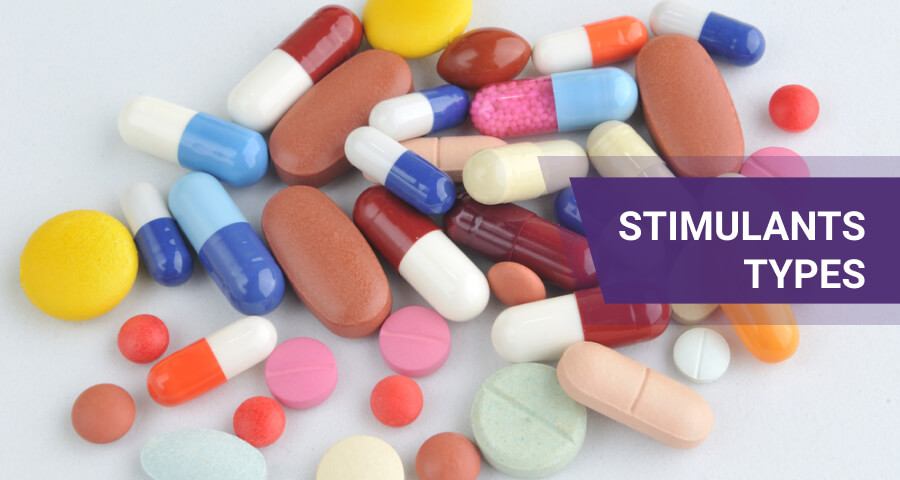
The types of stimulants can be generally divided into legal and illegal. The legal uppers can be bought in stores or prescribed in small doses usually under close doctor’s supervision. The illegal types of stimulant drugs are very intense & addictive and are sold illegally on the streets. Unfortunately, both stimulants types can lead to addiction.
Find the best treatment options. Call our free and confidential helpline
- What Are Types Of Stimulants?
- What Are Synthetic Stimulants?
- What Are Prescription Stimulants?
- What Are Legal And Illegal Uppers?
Types Of Stimulants: By Mechanism Of Action
Nootropic Stimulants
Nootropics improve creativity, memory, motivation, and executive functions in healthy individuals. These stimulants types are very popular nowadays. Depending on their purpose, these smart drugs can:
- support the energy production in neurons;
- dilate small veins and arteries in the brain to improve circulation of glucose, oxygen or ketones;
- affect the levels of dopamine, acetylcholine, serotonin and other chemicals in the brain;
- neutralize free radicals reducing oxidative stress in the brain.
Both stimulants and depressants affect the central nervous system, but only the first ones act on the dopamine and norepinephrine chemicals, increasing the activity of these neurotransmitters.
Common nootropics include:
- Caffeine is among those types of stimulants that block the adenosine receptors located in the brain, increasing alertness, attention and making the individual feel less tired. It is the top consumed type of nootropic in the world.
- Nicotine is found in many plants, but most commonly in tobacco. Nicotine is the component that makes cigarettes addictive. This type of chemical improves attention, alertness, and motor function. Studies showed that chewing nicotine also improves handwriting speed and fluidity.
- Amphetamine increases the levels of noradrenaline and dopamine in the prefrontal cortex, the brain area that controls attention, working memory, and behavior in ADHD patients. In healthy adults, amphetamine enhances short-term memory, mental performance, makes them feel more awake, optimistic and attentive.
- Methylphenidate, similar to amphetamine, is one of the types of stimulant drugs that increase the levels of noradrenaline and dopamine improving episodic, short-term, and working memory, attention, information-processing speed, performance on tedious tasks, and inhibitory controls.
- Eugeroics is also known as wakefulness-promoting agents. Eugenics increase alertness (especially in individuals with sleep problems), facilitate problem-solving, and reasoning and enhance executive function.
The above-mentioned, as well as other nootropics, pose risks of abuse and addiction. They can only be prescribed by a doctor. Self-medication is dangerous as may result in unexpected health hazards.
Psychomotor Stimulants
The psychomotor stimulants mechanism of action is to boost the release of several types of chemicals in the brain, stimulating the central nervous system (CNS). This type of process produces a temporary organic and physiological activation accompanied by increased motor activity, alertness, and arousal.

The FDA-approved types of psychomotor stimulants include:
- Adderall – is one of the types of stimulants that combines dextroamphetamine and amphetamine and is used in the treatment of ADHD and narcolepsy. Because this type of drug increases the activity of dopamine and norepinephrine in the brain, it is also used recreationally as euphoriant and aphrodisiac, and as a cognitive and athletic performance enhancer.
- Dexedrine – is the brand name of dextroamphetamine, an amphetamine enantiomer, and a CNS upper. It affects certain brain and nerves’ chemicals that contribute to impulse control and hyperactivity helping the individual stay focused, control behavior problems, and better organize tasks. It is one of the types of uppers which was also used by the military as a go-pill during fatigue-inducing missions such as extended combat operations or night-time bombing missions.
- Ritalin – is the brand name for methylphenidate. It is a type of CNS upper that also contributes to the control of impulse and hyperactivity in patients with ADHD and narcolepsy.
Recreational use of drugs is considered as abuse and is illegal. All medications should be used as prescribed only.
Synthetic Stimulants
Synthetic uppers or research chemical stimulants are synthetic derivatives of cathinone, a type of CNS psychostimulant, which is extracted from the Khat plant. People in southern Arabia and East Africa chew its leaves for the mild psychostimulant effect. RC stimulants are man-made versions of this CNS upper, but much stronger and dangerous.
It is still not clear how synthetic stimulants affect the brain, but a study found that MDPV, one of these types of drugs, is at least ten times more powerful than cocaine. Some of the side effects of stimulants produced in the laboratory are chest pain, rapid heart rate, nosebleeds, nausea, vomiting, sweating, stroke, and heart attack. These types of synthetic psychostimulants are unregulated substances, which are created to copy the effects of regulated ones.
Common synthetic psychostimulants:
- Bath salts
- MDMA
- Bromo-DragonFLY
- BZP
- PMA/PMMA
- Mephedrone
- MDPV
- Methylone (bk-MDMA)
- N-ethyl-nor-pentedrone
- Methiopropamine
- Naphyrone

Prescription Stimulants
Do Stimulants Require Prescription?
Legal uppers require a prescription in order to be acquired from the drug store. Prescription psychostimulants are a necessity for patients with ADHD but are also commonly abused, especially by high school and college students to boost their cognitive abilities during the exam periods. Doing so is illegal, as well as poses severe health problems.
CDC reports that in 2009 almost 20% of high school students admitted to taking some types of uppers from a peer with a prescription. This happens due to the false impression that if the drugs are prescribed by a doctor, they are safer than the drugs bought from the street. In fact, there is always a risk.
What Are Prescription Stimulants?
Prescription stimulants are drugs prescribed by a doctor, aimed at treating ADHD and narcolepsy, by increasing attention, energy, and alertness. Prescribed stimulants boost the activity of the brain chemicals, norepinephrine and dopamine. In patients with ADHD, prescription uppers help manage symptoms such as hyperactivity, impulsive behavior, and short attention span.
Prescription stimulants list:
- Ritalin
- Adderall
- Concerta
- Dexedrine
- Vyvanse
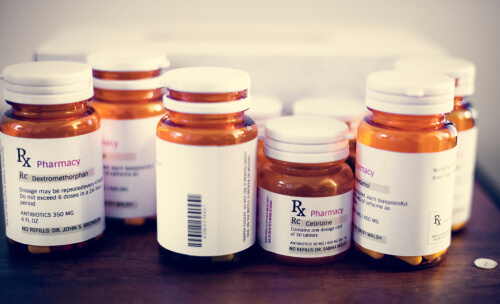
Legal And Illegal Stimulating Substances
What Are Legal Stimulants?
Legal uppers, such as caffeine, nicotine or taurine, are not considered to pose serious health consequences on a user. These over the counter stimulants are natural substances which can be obtained legally without a prescription. There are also uppers which are also legal but only with prescription. The legal uppers also include the natural stimulants for ADHD.
However, both of these types of legal stimulants come with potential dangers and risks arising from misuse or abuse. That is why it is crucial to use them in moderation or after doctor’s consultation.
Legal stimulants list
- Caffeine
- Nicotine
- Legal Amphetamines (Ritalin, Adderall, and Dextroamphetamine)
- Pseudoephedrine
- Taurine
- Codeine
- Guarana
- Ginseng
What Are Illegal Stimulants?
On the one hand, illegal stimulants are drugs that are manufactured, sold, and bought illicitly. This type of drugs are usually labeled as illegal because they are very addictive and come with life-threatening side effects or because the user has no health benefit from taking them.
Even so, legal uppers can become illegal when abused. The National Survey on Drug Use and Health from 2012 showed that 24 million US citizens, aged 12 and above, were illegal drug users. Among them, 7 million were prescription medication abusers.
Common illegal drugs that are stimulants include:
- Cocaine
- Amphetamine
- MDMA
- Meth
Stimulating Drugs Can Be Addictive
The long-term use or misuse of any stimulants types can lead to addiction. Various drug rehabs offer behavioral therapies such as contingency management and cognitive-behavioral therapy. They proved efficient in treating this type of prescription psychostimulant addiction. Such treatment modifies the patient’s drug-use behavior and expectations, helping them to manage stress and triggers effectively and successfully.
Find the best treatment options. Call our free and confidential helpline

Published on:
Updated on: