

 Edit by: Brittni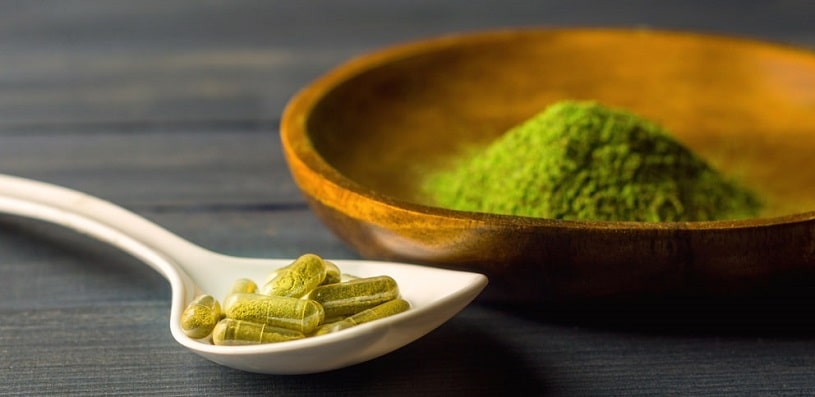
Lately loud conversations are underway about the addictive nature of plant-based substances especially for people who are choosing these alternatives against the synthetic ones. One such controversy surrounds the risks of using Kratom and its vital compounds, 7-hydroxymitragynine. These plant-based options are misunderstood as safer options and many people unknowingly miss out on its usage risks and long-term health hazards.
Many people are not aware that kratom contains multiple active compounds – primarily 7-OH that is highly addictive because of its opiate-like impacts. This article highlights all details about 7-OH vs Kratom – the key differences, associated risks, and how they impact the recovery process.
Table Of Contents:

What is Kratom?
Kratom, scientifically known as (Mitragyna speciosa) is a tropical plant primarily found in Southeast Asia. Its leaves are used for hundreds of years to boost energy, promote relaxation and diminish discomforts that come with opiate withdrawals. Although marketed as a plant-based herbal remedy, it gives the same feel as opiates. In the United States, kratom comes in powder form, commonly consumed as tea or used as capsules. Kratom powder contains 1% mitragynine and about 0.1% 7-OH.
Active compounds found in kratom – Kratom leaves have a complex chemical structure. More than 40 alkaloids are present, out of which mitragynine is a dominant one. Mitragynine interferes with opiate receptors in the brain and gives an addictive feel. In low doses, kratom acts as an energizer, also reduces anxiety. However, in high doses, kratom acts as sedative and pain-reliever.
What is 7- Hydroxymitragynine (7-OH)?
As per NIA reports, another alkaloid present naturally in kratom leaves is 7-hydroxymitragynine or 7-OH. Although it constitutes only 2% mitragynine, its impact is far more powerful. It increases kratom’s opioid-like impact and also increases the chances of drug dependence. Some extracted products of kratom also contain artificially elevated levels of 7-OH that increase its potency, causing risks for dependence, overdose, and significant withdrawal symptoms. Research findings show that 7-OH is a kratom alkaloid that is 7 to 13 times more potent than morphine to cause opioid-like addiction. Thus, its use is restricted by the FDA due to significant health risks.
The Risks of Kratom and 7-OH Addiction
Both kratom and 7-hydroxymitragynine (7-OH) affect the opiate receptors in the brain. Prolonged use of these two substances leads to addiction. 7-hydroxymitragynine products, especially in the form of gummies and other drink-based formats are sold online despite not being approved by FDA as safe drugs, raising serious concerns about its potential misuse. Kratom used in large amounts can damage liver functions.
Regulations are in place as kratom use is restrictive. According to the FDA, 7-OH is far more dangerous and in some US states, its usage is completely banned. It has also stated that these substances are not to be used as dietary supplements and marketing such substances are considered completely illegal.
Effects On The Brain And Body: A Comparison
With regular use, kratom and 7-OH causes drug dependence and tolerance. It means the individual needs higher doses in their next consumption to get the same relaxing feeling.
| Effects on the body | Effects on the brain |
| Withdrawal symptoms may get really bad with signs like vomiting, stomach ache | Anxiety and nervousness when withdrawal occurs. 7-OH causes severe opioid-like withdrawal |
| High blood pressure, rapid heart rate, sweating, rapid breathing | Affects the brain’s pain and pleasure centers with varying degrees of intensity as per use |
| Moderate to severe analgesia | Irritable mood |
| insomnia | Agitation |
| Muscle twitches | Strong cravings, leading to compulsive search for the drug |
| Seizures when used in high doses | In low doses, it keeps the person alert and awake. In higher doses, it makes the person sleepy and calm |
| Liver toxicity and kidney malfunctions | Causes intense euphoria and sedation when used regularly |
7-OH vs Kratom: Key Differences
Kratom is a tropical plant which has mitragynine as a primary alkaloid. 7-OH is a complex substance derived synthetically from processing kratom leaves, carrying a higher risk for drug dependence.
| Aspect | Kratom | 7-OH (7 – hydroxymitragynine) |
| Nature | Kratom is a naturally occurring tropical plant. Sourced from leaves of kratom tree | Found naturally in the leaves of kratom plants. This is a compound formed when the body metabolizes mitragynine |
| Primary compound | Mitragynine | 7 – hydroxymitragynine |
| Processing | It can be processed as kratom powder, dried leaves, tea, and capsules | It is synthetically concentrated to make it more potent and dangerous. It is found as gummies, tablets, vapes, and drink shots |
| Risks | Moderate, can cause drug dependency | Opioid like sedation occurs, overuse and drug dependency is very high |
| Risk for addiction | Present and increases with regular use | Very high due to its potency. Causes very high physical and psychological dependence |
| Withdrawal symptoms | Mild to moderate. Also causes muscle aches and irritability | Severe cravings, insomnia, pain, and intense mood swings |
| Imposed regulations on usage | Legally restricted in some states while banned in others | Considered unsafe and FDA has recommended for its control and ban |
| Side effects | Dizzines, nausea, upset stomach | Respiratory suppression. Overdose risks, and severe dependence on the substance |
Why 7-OH Is Potentially More Risky?
7-OH is more risky when it comes to understanding its impact on a person’s health. The addiction potential of 7-OH is much higher than kratom alone. 7-OH binds opioid receptors of the brain very strongly, thus cravings are stronger, irresistible, and it drives the person towards repeated doses. The withdrawal symptoms are often harsh and tolerance levels are also high. Concentrated 7-OH causes respiratory suppression when consumed in higher doses.
As the body adapts to the drug very easily causing tolerance, higher doses are needed the next time to receive similar impacts. Over time, this cycle becomes difficult to control. Increased drug dependency occurs, leading to serious health implications.
Treatment Options For Kratom and 7-OH Addiction
If someone is dependent on kratom and 7-OH, relying only on willpower for recovery seems to be difficult as withdrawal symptoms can trigger physical discomfort that may force the most motivated folks towards relapse. Thus proper medical support is an essential part of the recovery process.
- Medical detox – Medical monitoring and managing withdrawal symptoms, especially for potent 7-OH dependence needs medical detox for sustainable recovery.
- Managing symptoms – Medications are prescribed to relieve cravings, body aches, gastrointestinal issues.
- Inpatient residential or partial hospitalization program – Supervised detox is possible with medications and clinical therapies. Moreover, the patient can be treated for underlying emotional and stress related issues.
Concluding remarks
Kratom and 7-OH are misunderstood as safe alternatives for pain relief and anxiety. However, a lack of awareness about its impact on health often leads to misuse and drug dependence. It is important to educate individuals about the health risks so that they can identify triggers, recognize signs of dependence and seek timely help before the substance overpowers their quality of life.
Frequently Asked Questions
Is Kratom legal In the United States?
No, kratom is not legal. Most states have issued restrictions on its usage and sale. Since the substance is considered unsafe, FDA has issued recommendations for its control and stricter regulatory control.
How is 7-OH different from regular kratom?
Kratom is a plant-based product that has naturally occurring alkaloids usually used as pain relievers or energy boosters. However, its regular use is highly addictive. 7-OH is an alkaloid found in very small amounts in kratom leaves. When 7-OH is synthetically used, its concentration increases and using the drug consistently causes opioid-like addiction.
Find Drug Rehabilitation Centers Near You Anywhere In the US
Addiction Resource team has compiled an extensive list of the top drug rehabilitation facilities around the country. Use our locator tool to find the best centers near you.

 FindTreatment.gov