



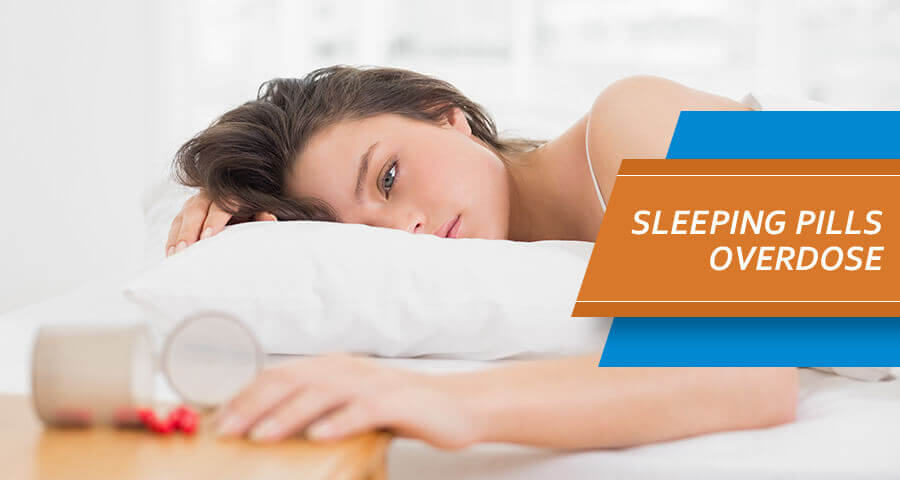
In a fast-paced world where stress and sleep disorders are common, there is an increasing number of people turning to sleeping pills for relief.
In 2020, 8.4% of American adults took sleep medication for a period of 30 days, either every day or most days, to help them fall or stay asleep. As sleep deprivation is correlated with negative physical and mental health outcomes such as obesity, depression, and heart disease, the prevalence of sleeping pills will keep rising.
This fact highlights the importance of understanding the risks associated with sleeping pills. In this article, we delve into the vital aspects of responsible use—knowing the right dosage, recognizing sleeping pills overdose signs, and offering tips for a healthy approach to sleep.
Types of Sleeping Pills
Several types of sleeping pills are classified based on their active ingredients and mechanisms of action. Here are some common categories:
- Benzodiazepines: Examples include Diazepam and Lorazepam, known for their sedative and muscle-relaxant properties.
- Non-Benzodiazepines (Z-drugs): Including Zolpidem, Zaleplon, and Eszopiclone, these medications target specific receptors to induce sleep.
- Melatonin Receptor Agonists: Drugs like Ramelteon mimic the effects of the sleep hormone melatonin.
- Antidepressants: Some, like Trazodone or Amitriptyline, are prescribed off-label to promote sleep.
- Over-the-Counter (OTC) Options: Diphenhydramine (commonly found in antihistamines) or Doxylamine.
Remember that prescribed sleeping pills are intended for short-term use due to potential sleeping pills overdose, the risk of dependence and side effects. They are typically recommended when lifestyle changes and behavioral strategies are insufficient in addressing sleep issues.
Sleeping Pills Side Effects
Sleeping pills, while effective for managing sleep disorders, may have potential side effects. Common side effects of sleeping pills include:
- Drowsiness
- Dizziness
- Cognitive Impairment
- Gastrointestinal Issues
- Allergic Reactions
- Daytime Fatigue
- Dependency
- Withdrawal Symptoms
How much mg of sleeping pills is safe?
‘How many sleeping tablets are harmful ?’ is a common question among people with sleeping problems who rely on sleeping pills for getting some sleep. The safe dosage of sleeping pills depends on the specific medication that you are taking, your age, and your overall health status. You should always consult your professional healthcare provider about the appropriate dose of your medication, how many sleeping tablets should you take, and the maximum dose you can consume. Here are some general guidelines for commonly prescribed sleeping pills:
Over-the-counter (OTC) Sleeping Pills
Diphenhydramine (e.g., Benadryl, Sominex)
- Typical Dose: 25-50 mg taken 30 minutes before bedtime.
- Maximum Dose: 50 mg per dose (take one per night).
Doxylamine (Unisom)
- Typical Dose: 25 mg taken 30 minutes before bedtime.
- Maximum Dose: 25 mg per dose or (take one per night).
Prescription Sleeping Pills
Zolpidem (Ambien)
- Typical Dose: 5 mg for women and 5-10 mg for men taken immediately before bedtime.
- Maximum Dose: 10 mg per night. Elderly patients should start at 5 mg.
Eszopiclone ( Lunesta)
- Typical Dose: 1 mg taken immediately before bedtime. The dose can be increased to 2-3 mg if necessary.
- Maximum Dose: 3 mg per night.
Temazepam (Restoril)
- Typical Dose: 15-30 mg taken 30 minutes before bedtime.
- Maximum Dose: 30 mg per night.
Trazodone (Desyrel)
- Typical Dose: 25-100 mg taken at bedtime.
- Maximum Dose: Up to 150-300 mg per night.
Sleeping Pills Overdose Causes
A sleeping pill overdose can occur due to various factors, often stemming from misuse, accidental ingestion or intentional self-harm. Common causes include:
- Misuse or Self-Medication: Taking more than the prescribed dose in an attempt to enhance sedation.
- Accidental Ingestion: Unintentionally taking a higher quantity (2000 mg – 200 tablets can be lethal), especially if confused about the prescribed dosage.
- Combining with Other Substances: Concurrent use of alcohol or other medications that enhance sedative effects.
- Dependence or Tolerance: Developing a tolerance may lead to taking higher doses to achieve the desired effect.
- Mental Health Issues: Individuals experiencing severe depression, anxiety, or suicidal thoughts may misuse sleeping pills as a means of self-harm.
Sleeping Pills Overdose Signs
An overdose of sleeping pills can have serious consequences. Signs of a sleeping pill overdose may include:
Extreme Drowsiness
A profound and prolonged drowsiness that goes beyond the expected sedative effects of the sleeping pill. The person may find it difficult to wake or stay awake.
Confusion
Disorientation and cognitive impairment are where the affected person may have trouble understanding their surroundings, communicating coherently, or making logical decisions.
Slurred Speech
Difficulty articulating words clearly with speech patterns resembling those of someone under the influence of alcohol or other sedatives.
Weakness
Noticeable lack of physical strength or energy, often accompanied by a feeling of overall bodily weakness.
Difficulty Breathing
Respiratory distress, including shallow, slow or labored breathing. In severe cases, breathing difficulties may escalate to a life-threatening condition.
Sleeping Pills Overdose Unconsciousness
Complete lack of awareness and responsiveness. The person is unresponsive to stimuli and cannot be awakened.
Seizures
Uncontrolled and involuntary muscle contractions, often manifesting as convulsions. Seizures can be a severe complication of a sleeping pill overdose.
Bluish Skin or Lips
Cyanosis, a bluish discoloration of the skin or lips, indicates a lack of oxygen in the bloodstream. It is a serious sign of respiratory compromise and requires immediate medical attention.
5 Sleeping Pills Interactions
Sleeping pills can interact with various substances, potentially leading to adverse effects. Interactions may occur with:
- Alcohol: Increases sedative effects and the risk of respiratory depression.
- Other Medications: Interactions with antidepressants, antipsychotics or medications affecting the central nervous system.
- Herbal Supplements: St. John’s Wort, for example, may reduce the effectiveness of certain sleeping pills.
- Grapefruit Juice: This can affect the metabolism of some medications, altering their potency.
- CNS Depressants: Such as benzodiazepines or opioids, may amplify sedation and respiratory depression.
Why Use Sleeping Pills to Cause Self-Harm?
Unfortunately, sleeping pills suicide attempts are not uncommon to consult in the emergency room. Due to the tranquilizing effect of a hypnotic overdose, opting for sleeping pills as a means of suicide is a choice some individuals make for a potentially painless death.
Diphenhydramine, commonly found in hypnotics, has been associated with an increased number of suicides. Historically, it has been the most frequently used over-the-counter medication for intentional overdose, with 200 diphenhydramine-related suicides reported in England and Wales in 1997.
8 Steps to Help on Sleeping Pills Overdose Situation
In the case of a suspected sleeping pill overdose, it’s crucial to act quickly. Here’s what to do:
- Call Emergency Services: Contact your local emergency number immediately (e.g., 911 in the United States) for professional medical help.
- Provide Information: Clearly state that it is a suspected sleeping pill overdose. Provide information about the type of sleeping pill or substances involved.
- Stay with the Person: Stay with the affected person to monitor their condition and provide any necessary information to emergency responders.
- Do NOT Attempt to Induce Vomiting: Refrain from trying to induce vomiting unless specifically instructed to do so by emergency personnel. Some substances can cause additional harm if vomited.
- Perform CPR if Trained: If the person is unconscious and not breathing, start CPR until emergency help arrives.
- Keep Medication Containers: If possible, gather the sleeping pills’ containers and provide them to emergency responders.
- Keep the Person Awake and Responsive: If the person is conscious, try to keep them awake and responsive.
- Stay Calm and Follow Instructions: Follow any instructions given by emergency services calmly and promptly.
Sleeping Pills Overdose Takeaways
While sleeping pills serve as effective solutions for managing sleep disorders, their usage demands caution.
Always adhere to the recommended dosage healthcare professionals provide to mitigate potential risks. Ensure you are taking the correct pill to avoid confusion. If uncertainty arises or if someone exhibits signs of suicidal thoughts, seeking guidance from a healthcare provider is imperative. Offering support and encouraging professional assistance can make a crucial difference.
People Also Ask
What happens if you take sleeping pills for too long?
Prolonged use of sleeping pills may lead to dependence, increased tolerance and adverse health effects.
What to do if you accidentally take a sleeping pill?
If you accidentally take a sleeping pill, contact emergency services or a poison control center immediately. Provide details on the medication for proper guidance.
Can you overdose on sleeping pills?
The short answer is yes. It is possible to overdose on sleeping pills, which can be dangerous and potentially life-threatening if not managed rapidly. The severity of an overdose depends on the type of sleeping pill, the amount taken, and individual factors such as age, body weight, and overall health status.
What happens if you overdose on sleeping pills like Doxylamine?
Doxylamine overdose may cause severe drowsiness, dry mouth, blurred vision and in extreme cases, seizures. Seek immediate medical attention if overdose symptoms occur.

Published on:
Updated on: