

8 Risks Of Hydrocodone Tolerance That Can Lead To Addiction

Hydrocodone is a prescription opioid that doctors recommend for managing moderate to chronic pain. While it can be an effective pain reliever, its misuse can cause tolerance, forcing the individual to take higher doses to feel the same pleasure, thereby increasing the risk of addiction.

Over time, the brain adapts to the drugโ€™s presence. Consequently, the original dose becomes less effective, leading to physical dependence. As doses increase, the risks of overdose also increase. The blog explains how hydrocodone tolerance develops and can gradually shift from medical use to addiction.

What Is Hydrocodone Tolerance?

Hydrocodone tolerance is an adaptation that the body develops when the substance is misused for prolonged periods without medical monitoring. Over time, the same dose no longer produces the same level of pain relief or elation. As a result, the person uses higher doses and gradually develops tolerance to them.

How Tolerance Develops In The Brainย 

Hydrocodone addiction can develop when tolerance leads to repeated use in higher doses. Three fundamental processes occur in the brain when drug tolerance develops.

Opioid receptors and dopamine: As a strong opioid, hydrocodone works by attaching to the mu-opioid receptors in the brain, reducing pain sensations. It also increases dopamine release, a brain chemical that improves mood and makes a person feel happy.ย 

Reduced effect over time: Repeated use of hydrocodone dulls its effects, making subsequent doses feel less effective. The brain receptors may become less sensitive and natural dopamine release decreases. As a result, the same dose gives weaker effects than before.

Need for higher doses: The person requires higher doses more frequently to achieve the same effects, as the original dose no longer produces the same โ€˜highโ€™. This pattern, in which the individual needs more of the substance over time, is called tolerance.ย 

Tolerance vs. Dependence vs. Addiction

Although drug tolerance leads to repeated use and psychological dependence, not everyone who develops a tolerance or drug dependence turns into a person with an addiction. Letโ€™s break down how these three processes interact with one another.


Term Clear medical definition What it feels like How it progresses
Tolerance The body adapts to repeated drug use and becomes less responsive over time, needing aย  higher dose to achieve the same effects The person feels that the current drug dose is not working as well as it used to Increasing doses are used to feel the desired effects
Dependence The body relies on the substance to feel โ€˜normalโ€™. Stopping the substance triggers withdrawal effects The person may feel physically unwell, anxious, or restless and begin craving the substance because their body has adapted to having the drug in its system As tolerance sets in, repeated use leads to higher doses, and if stopped suddenly, withdrawal symptoms occur
Addiction A substance use disorder marked by compulsive drug use despite knowing about the harmful consequences.ย  The person cannot stop substance use despite having problems in the workplace or maintaining relationships. Addiction sets in when the person seeks the drug compulsively, cannot resist cravings, and continues using it despite harmful effects.


8 Risks of Hydrocodone Tolerance

According to the CDC, 8.6 million Americans aged 12 years and above reported misusing prescription opioids in 2023, and over 5 million reported living with opioid use disorder (OUD) in the same year.ย 

Several risks arise as hydrocodone tolerance builds up in the body.

Increasing the Dose Without Medical Supervision

When the prescribed dose no longer produces the same effect, the individual begins to misuse the drug by increasing the dose without medical supervision. They may shorten the time between doses, take extra pills, or engage in doctor shopping to obtain multiple prescriptions.ย 

Physical Dependence

With prolonged use, the body adapts to the presence of opioids and cannot function without the drug. If the dose is reduced or stopped abruptly, withdrawal symptoms appear. Many people continue using the substance to avoid feeling sick. They fear experiencing withdrawal symptoms, and this fuels repeated use and causes addiction.ย 

Overdose Risk

As tolerance builds, the person takes higher doses more frequently and for longer periods, which increases the chances of experiencing an overdose. When hydrocodone is combined with other substances such as alcohol, overdose risks increase. These substances slow breathing and dangerously suppress brain function.

Transition To Stronger Opioids

When hydrocodone fails to provide the desired effects, the person may either consult a doctor and begin using stronger opioids or misuse stronger opioids without a prescription. In either case, the risk of addiction increases. These stronger opioids, when used regularly, cause addiction and carry an overdose risk.ย 

Alterations In Brain Chemistry

Hydrocodone tolerance alters brain chemistry by disrupting neurotransmitter function, especially dopamine. Repeated drug use leads to a reduction in natural dopamine, and the brain relies on the substance to trigger feelings of relief or pleasure. Over time, the individual begins to feel low without the substance. This reinforces cravings and repeated use, leading to addictive behaviors.

Psychological Dependence

Sometimes, people may use prescription painkillers as a coping tool to handle stress. Using hydrocodone helps to numb feelings and reduce anxious thoughts. Gradually, the person develops cravings when thinking about their next dose.ย 

Financial and Social Consequences

When an individual uses hydrocodone regularly, they need to buy the substance quite often. Seeking multiple prescriptions is financially burdensome. Socially, their relationships with family members, friends, and colleagues suffer due to mood swings, secrecy, or loss of mutual trust.

Development Of Opioid Use Disorder

The most serious risk of hydrocodone tolerance is the likelihood of developing opioid use disorder (OUD). It is a medical condition characterized by compulsive use of opioids, and the person cannot control their addictive behaviors without professional support.

Warning Signs Of Hydrocodone Tolerance Becoming An Addiction

Some notable warning signs include:

  • Taking higher doses without medical supervision
  • Running out of medicationย 
  • Experiencing withdrawal symptoms
  • Struggle to meet responsibilities at home and the workplace
  • Intrusive thoughts of using the substance
  • Reduced interest in daily activities they once enjoyed

Who Is Most At Risk?

Some individuals are more likely than others to develop hydrocodone tolerance and dependence. These include:

  • People using pain medication for chronic pain may develop tolerance with extended use.
  • Individuals with a history of substance use disorder can develop tolerance more quickly than others.
  • People with co-occurring mental health conditions can develop tolerance when using opioids for emotional relief.

How to Prevent Hydrocodone Tolerance from Leading to Addiction

Sticking to some safe use practices can decrease the chances of developing tolerance and subsequent addiction.

Strictly following the prescription: Using hydrocodone only as directed by the healthcare professional is important to lower the risk of tolerance. One should avoid increasing the dose or extending the duration of use without medical monitoring. Even small dose adjustments should be made under medical supervision.ย 

Avoid alcohol or sedatives: Hydrocodone should never be used in combination with alcohol or sedatives. This can increase overdose risk, causing shallow breathing and may be fatal without prompt treatment.ย 

Regular medical monitoring: Regular check-ins with professionals can help identify the risk of tolerance earlier and safely adjust treatment as required.

Treatment Options If Hydrocodone Addiction Develops

Hydrocodone addiction treatment programs are available in opioid rehab centers, which may include:

Medical detox: It is a supervised process that helps the body to safely remove opioids without experiencing distressing withdrawal symptoms. It improves comfort and lowers the risk of relapse.

Medication-Assisted Treatment (MAT): This approach uses FDA-approved medications such as methadone, naltrexone, and buprenorphine to stabilize brain functions, reduce cravings, and manage withdrawal symptoms. These medications are combined with therapy to prevent relapse.

Inpatient vs. Outpatient Rehab: Hydrocodone addiction can be treated either in inpatient care facilities or outpatient rehab centers. The decision depends upon symptom severity, preexisting mental illness, or a history of substance use.ย 

Psychotherapy: Cognitive Behavioral Therapy and trauma-informed care help individuals recognize their triggers, alter unhelpful thoughts, and regulate emotions; thereby supporting a lasting recovery.

When to Seek Professional Help

If there are signs of a hydrocodone overdose, such as shallow breathing, sweating, or drowsiness, immediate medical support is needed. Moreover, if withdrawal symptoms worsen, the individual should seek professional care to reduce distress and manage cravings. Seeking medical advice can prevent harm and support recovery.


Depression After Stopping Adderall: Is It a Sign of Psychological Dependence?

Many people using Adderall as a prescription medication want to know whether stopping Adderall can cause depression. The answer to this lies in the fact that prolonged use, even in a prescribed dose, may cause rapid mood shifts. From an energetic โ€˜highโ€™ to a depressive โ€˜dipโ€™, the change appears within days of stopping the medication.

Since the brain is used to increased stimulation, sudden stopping leads to feelings of low mood, fatigue, and irritability. This blog explains what causes depression after stopping Adderall, how long symptoms persist, and whether it signals psychological dependence that requires professional support for safe recovery.

What Happens to the Brain After Stopping Adderall?

Adderall is a stimulant medication commonly prescribed to treat attention-deficit hyperactivity disorder (ADHD). It raises dopamine and norepinephrine levels, the brain chemicals that help us experience pleasure, drive motivation, and sustain focus. According to NIH-backed research, amphetamines such as Adderall cause behavioral changes similar to depression when they are discontinued.

When someone stops taking the drug, the brain needs time to adjust to the sudden change. As a result, two major changes occur in the brain. They are:

Adderall affects dopamine

When someone stops Adderall suddenly, the brain reacts with withdrawal symptoms. Because the brain is used to the extra boost, stopping leads to a drop in dopamine and norepinephrine levels. This temporary imbalance leads to fatigue, low energy, and mood crash.

Mood crashes after discontinuation

As the brain adjusts to the absence of Adderall, some individuals experience an โ€œAdderall crash” after the stimulant wears off. People may feel fatigued and emotionally drained. They may struggle to maintain motivation to complete simple tasks or stick to a daily routine. When a person misuses Adderall for prolonged periods, it may lead to severe withdrawal symptoms that take longer to stabilize.

Is Depression After Stopping Adderall Normal?

Yes, feelings of sadness, low energy, and reduced functioning are normal after stopping Adderall, especially during the first few days or weeks. However, the impact varies from person to person. When taken as prescribed, stopping Adderall may cause a short-term mood crash.

For individuals struggling with Adderall addiction, withdrawal symptoms can be intense and require professional support to assess for underlying depression or stimulant dependence.

Warning Signs Of Adderall Withdrawal

When someone suddenly stops Adderall, dopamine levels drop, and the individual feels grumpy, sad, and hopeless. Some of the other signs of Adderall withdrawal depression are:

  • Lack of interest in daily activities
  • Feeling unusually fatigued
  • Mental fog
  • Intense cravings
  • Slowed thinking or movements
  • Irritable mood
  • Anxious and restless
  • Change in appetite
  • Self-harming thoughts
  • Headaches

How Long Does Withdrawal Depression Last?

Withdrawal-related depression begins within a few days of stopping the medication. Withdrawal typically occurs in two phases:

Acute phase: Symptoms of withdrawal are most severe and last 1 to 2 weeks. During this phase, sadness, low energy, lack of focus, and persistent sleep disturbances are common.

Post-acute withdrawal syndrome: In this phase, milder symptoms such as irritability, reduced motivation, persistent fatigue, and occasional cravings may linger.

Psychological Dependence and Physical Withdrawal

When an individual abruptly stops Adderall, physical withdrawal occurs due to a sudden chemical imbalance in the brain. Because dopamine levels decrease, the brain takes time to readjust its functioning in the absence of Adderall.

However, psychological dependence involves emotional patterns that make someone feel that they cannot function without the drug. Both conditions can affect mood and mental well-being.

What is psychological dependence?

Psychological dependence on Adderall occurs when a person relies on the substance to feel โ€˜normalโ€™. They may believe they cannot feel good or focus adequately without it. Consequently, the individual experiences strong cravings for the extra mental boost the substance provides. Stopping Adderall abruptly causes withdrawal and increases the risk of relapse, as the person feels trapped in a cycle of needing the drug to function and handle everyday responsibilities.

Signs of depression that indicate dependence

  • Intense cravings
  • Obsessive thoughts about restarting to stay productive
  • Used the drug to fix a bad mood
  • Difficulty coping with regular tasks without the stimulant

Risk Factors That Increase Post-Adderall Depression

Several factors increase the likelihood of developing depressive symptoms after Adderall use is abruptly stopped.

Long-term or high-dose use

Using Adderall for longer periods or at higher doses than prescribed can increase the risk of depression after stopping because the brain adapts to the stimulation and reacts differently in the absence of the substance.

Misuse or use without a prescription

When Adderall is taken in higher doses or without medical supervision, it increases the chances of post-Adderall depression when stopped abruptly.

Co-occurring disorders

If a person has an Adderall addiction along with other mental health conditions such as depression or anxiety, it may worsen mood when Adderall is discontinued.

ADHD misdiagnosis

People who take Adderall without an ADHD diagnosis and are not prescribed stimulants for medical reasons may experience stronger withdrawal effects. They may experience an intense mood crash.

Sleep deprivation

Because Adderall increases alertness, it can disrupt sleep by keeping the brain in an alert state even when it’s time to rest. Sleep deprivation can lead to fatigue, loss of energy, a sad mood, and irritable behavior.

When Depression After Stopping Adderall Is More Serious

If symptoms are short-lived and resolve within a few days, it may indicate a temporary mood crash from sudden Adderall withdrawal. However, when the person feels low and remains sad for a longer duration, symptoms donโ€™t improve, then they should seek professional support. It may indicate clinical depression or a developing substance use problem that requires treatment for recovery.

It is important to understand the warning signs that may indicate clinical depression and require proper diagnosis.

Warning Signs to Watch For

  • Depressive symptoms persist for weeks and months without any improvement
  • The individual finds it difficult to sustain focus or feel motivated to continue regular responsibilities in the family or workplace
  • Not enjoying anything
  • Self-harming thoughts
  • Taking some other stimulant to feel โ€˜normalโ€™
  • Strong and unmanageable cravings

When to seek professional support

If the above warning signs persist, seeking professional help is important to manage symptoms, treat the underlying mental health problem, and help the individual recover safely without relying on stimulants.

Healthy Ways to Manage Adderall Withdrawal Depression

A combination of therapy, medical detox, and lifestyle modifications can support lasting recovery. Some of the best practices include the following:

Medical Supervision and Tapering

A safe withdrawal requires tapering Adderall in small amounts under medical supervision. When the dose is reduced gradually, withdrawal symptoms can be managed properly. Medical detox reduces the risk of relapse and also eases emotional instability that occurs during recovery.

Therapy Options

Cognitive behavioral therapy (CBT) addresses unhelpful thoughts and replaces them with healthier ones. Behavioral activation is a component of CBT that focuses on gradually re-engaging individuals in positive activities in their daily lives to improve mood and reduce feelings of isolation. Examples of such behaviors include:

  • Calling or texting a friend
  • Engaging in household chores to regain momentum
  • Enjoying brief moments with family and friends
  • Spending time in nature to improve mood

Lifestyle Strategies

Regular exercise can naturally increase dopamine levels and reduce feelings of sadness. Having a consistent daily routine supports recovery by keeping the person mentally engaged in regular activities. The individual should eat healthy and sleep well to restore energy levels and improve mood.

Support Systems

Recovery becomes easier when the individual has someone to share their feelings with. Peer support groups offer a safe space where members with similar experiences share insights into their progress. This helps reduce feelings of isolation during their recovery journey.

Recovery Timeline: What to Expect Week by Week

The recovery timeline from post-Adderall depression is not the same for everyone. Recovery occurs in stages, with gradual improvement over a few weeks.

Week 1: Mood crash and fatigue

The individual experiences intense symptoms. Low mood, lack of energy, feelings of isolation, and reduced motivation are prominent.

Week 2 – 3: Unstable mood

During this timeline, physical exhaustion improves, but mood swings occur. Some days feel manageable while others are overwhelming.

1 – 2 months – Gradual recovery

During this phase, mood and energy levels improve and the individual feels emotionally balanced. They can manage their daily routine well. Long-term recovery occurs with consistent routine and professional support, where most individuals function without depending on stimulants.

Why Traumatic Intrusive Memories Are Common in Veterans With PTSD?

Reliving traumatic memories happens to be one of the most common signs in veterans who have faced war and lived through moments of extreme tension and anxiety. These intrusive memories are distressing, involuntary recollections that resurface long after the traumatic event.

Military veterans experience vivid flashbacks and intense sensory triggers like the smell of smoke or the sound of gunfire that remind them of the original event. This article explains why these traumatic intrusive memories impact emotional well-being and why professional treatment and long-term support are essential for recovery.

What Are Intrusive Memories in PTSD?

Intrusive memories are unwanted and involuntary recollections of traumatic events that the individual with PTSD experiences in their daily life. They are emotionally overwhelming and often return despite efforts to suppress them.

War veterans are prone to experiencing these intrusive memories in the form of vivid images of combat scenes, sounds of gunfire, and explosions. They are triggered by specific cues, such as smells, sounds, places, or situations that resemble elements of the actual trauma. These mental images are emotionally disturbing and trigger physical reactions such as a racing heart, sweating, and shortness of breath.

How Combat Trauma Affects Memory Processing

Combat is an emotionally intense experience that keeps military veterans in a state of heightened alertness. They are often exposed to frightening scenes and life-threatening conditions, making it difficult to process information calmly. Consequently, traumatic memories are stored in fragmented form rather than as complete memories of the actual event.

Certain elements of combat situations, like loud noises, violent interactions, smoke, sounds of artillery and weapons, get encoded more strongly, while other details may not have been imprinted clearly. War veterans may remember these vivid war scenes, and these keep resurfacing long after the danger has passed.

Military sexual trauma can also contribute to PTSD. Sexual assault or abuse during service, whether in training, peacetime, or combat, causes intense stress and often results in fragmented, fear-laden memories.

When Intrusive Memories Become a Sign of PTSD

PTSD symptoms vary among veterans. Some experience distress weeks or months after returning from combat, while others may not show signs for years. There are five main symptom clusters:

Recurrent recollections of the traumatic event: The individual experiences disturbing thoughts, flashbacks, and nightmares where they may feel that the event is happening now.

Avoiding things that remind them of the incident: They tend to avoid people, places, or situations that bring back the trauma.

Change in thoughts and mood: Persistent feelings of fear, guilt, and inability to experience positive feelings. Many struggle to feel happiness, love, or satisfaction in everyday life. This emotional numbness leads to detachment from family, friends, and activities they once enjoyed.

Hypervigilant: Being on guard all the time, as if something catastrophic would occur any moment. The individual overthinks, lives in fear, and becomes emotionally reactive.

Physical signs: Military veterans with PTSD experience sleep disturbances, fatigue, headaches, and stomach issues. These occur because the body remains in constant stress.

The Brain Regions Involved in Intrusive Memories

These brain areas process and regulate emotions, assess danger, and store memories. When exposed to any fear-provoking stimulus or prolonged trauma, their normal functioning becomes disrupted.

  • Amygdala – During intense emotional experiences such as war and combat, this brain region becomes overactive. It tends to detect threats even in safe situations. NIH study references show that war veterans with PTSD have elevated amygdala activity.
  • Hippocampus – This part of the brain is responsible for encoding memories by properly organizing them. For military veterans living with PTSD, memory imprints are scattered because this brain region functions poorly under trauma.
  • Prefrontal cortex – Reduced activity in this brain region leads to poor emotional regulation, heightened stress, and an inability to judge situations as dangerous or safe.

Why Veterans Experience Recurrent Trauma Memories

PTSD is a common mental health condition among U.S. military veterans. Research references of NIH suggest a lifetime prevalence of PTSD to be 6.4% – 6.8%. Veterans may experience Intrusive memories due to the following reasons:

Repeated or Prolonged Trauma Exposure

Military veterans often get exposed to things like loss of life, violent combats, and repeated enemy threats over extended periods. Since the brain has little time to recover, these traumatic memories are encoded in the brain with fear and are more likely to resurface as intrusive thoughts.

Survival Training and Hypervigilance Conditioning

Military training teaches soldiers to remain constantly alert during war. Even after returning home, the brain may stay in this hypervigilant state, causing intrusive traumatic memories to recur.

Moral Injury and Unresolved Emotional Conflicts

When military veterans witness or get involved in events that go against their personal values, they suffer regrets, shame, and guilt. As these emotions remain unresolved for longer durations, the trauma-laden memories often return with greater intensity.

Triggers Linked to Sights, Sounds, or Smells

Certain specific smells, sounds, or visual images may bring back memories of combat for military veterans. As these triggers closely resemble war-like scenes already stored in their memory, they may experience intense anxiety.

Common Triggers That Activate Intrusive Memories

Some of the common triggers that activate intrusive memories in military veterans are as follows:

  • Loud or sudden noises of firecrackers, sirens, and machinery
  • Smell of smoke and burning materials
  • Seeing weapons, military trucks, or war-related weapons
  • Dimly lit and crowded places that look like military camps or hideouts
  • News reports of war or disturbing images of combat on television
  • Sudden confrontations, stressful situations that resemble an alert state

The Emotional and Physical Impact on Veterans

During an intrusive memory episode, veterans may experience:

  • overwhelming fear, helplessness, or panic
  • Sleep disturbances, insomnia
  • Recurrent nightmares
  • Avoid people, places, and situations
  • Poor decision-making
  • Hypervigilant of their immediate surroundings
  • Emotional numbness
  • Anger and irritability
  • Lack of social interaction, even with family and friends

Evidence-Based Treatments That Help Reduce Intrusive Memories

Different evidence-based therapies are used to treat military veterans living with PTSD symptoms.

Trauma-focused Cognitive Behavioral Therapy (TF-CBT)

Trauma-focused CBT is an evidence-based psychotherapy designed to help people process traumatic experiences in a safe and controlled manner. It helps veterans gradually process painful memories and emotions in a controlled, safe environment.

By understanding the triggers and their associated thoughts, the person identifies unhelpful thought patterns and beliefs that developed due to trauma. Then, they replace them with alternative ways of thinking that make them see the situation from a new perspective. TF-CBT teaches coping skills and encourages individuals to practice relaxation exercises so that emotional distress can be significantly reduced.

Eye Movement Desensitization and Reprocessing (EMDR)

This therapy is used to reduce the effectiveness of trauma in triggering negative emotional reactions by helping the brain safely reprocess distressing memories. EMDR uses guided eye movements or bilateral stimulation. The individual recalls a traumatic scene while the therapist moves their fingers across the visual field, helping the brain reprocess the memory.

The patient tracks the therapistโ€™s fingers and slowly processes the aroused emotions that resurface by imagining the traumatic scene. In this way, traumatic experiences lose their emotional intensity and are stored in a calmer, more manageable way.

The EMDR process is repeated several times until the individual feels relaxed. Once they settle, the therapist asks the individual to replace the original fearful thought with a fearless one. Example: โ€œI am not safeโ€ can be replaced by โ€œI survived the storm and everything is good now.โ€

When to Seek Professional Help

Veterans should seek professional support when symptoms worsen and cause significant problems in daily life. If anxiety, fear, avoidance, and intrusive memories become unmanageable, prompt support is required to manage symptoms. This can help the individual recover faster.

Conclusion:

For individuals who have served their nations during wars, PTSD can be a common mental health condition impacting their daily lives. With appropriate therapeutic support, veterans can manage their symptoms and regain emotional stability. Ongoing support from family and friends helps them rebuild confidence, find purpose, and have fulfilling lives.

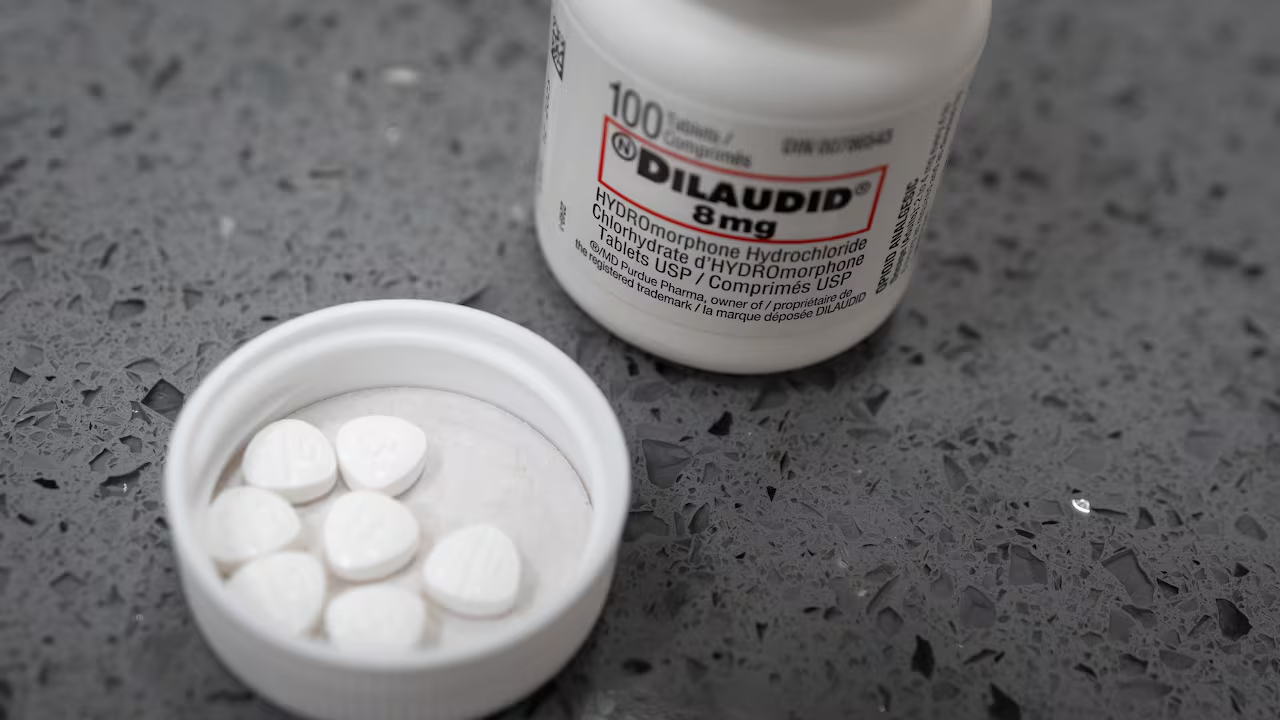
Hydromorphone Addiction: Signs, Health Impact, and Treatment Options

Hydromorphone is a powerful pain medication prescribed to treat moderate to severe pain. It belongs to the opioid class of analgesic medications.ย  Although hydromorphone is available only with a valid medical prescription, it has a higher risk of tolerance and dependence when misused.

With hydromorphone, the risk of overdose is high when used without medical guidance to manage pain.ย  This drug also has significant physical and psychological impacts. Therefore, it is important to understand the signs of addiction and potential side effects so health risks can be minimized with early professional intervention.ย 

What Is a Hydromorphone?

Hydromorphone is an opioid drug commonly prescribed by healthcare professionals to patients experiencing severe or chronic pain. This drug is prescribed with caution because it is habit-forming and has a high potential for addiction. According to the Drug Enforcement Administration (DEA) the analgesic potency of hydromorphone is 2 to 8 times greater than morphine. It means a smaller dose of this drug is needed to relieve pain.

According to NIH-backed research, hydromorphone is prescribed only for a short duration and under close medical supervision because the chances of overdose are potentially high when used incorrectly.

Hydromorphone is available in immediate-release formulations and extended-release tablets in the market. In the US, both formulations are classified as Schedule II controlled substances because of their high potency for misuse. The medical use of hydromorphone is accepted only under medical supervision.ย 

How Does Hydromorphone Work?

Being an opioid analgesic, hydromorphone functions by interacting with mu-opioid receptors in the brain and suppressing the pain signals. It alters how the brain perceives and responds to pain signals.ย 

Additionally, hydromorphone also gives a sense of calm and relaxation to the user. As the drug activates opioid receptors, it stimulates the release of dopamine in the brain, creating sensations of pleasure. Because of these euphoric effects, some individuals may misuse hydromorphone to cope with emotional distress, thereby increasing the chances of drug tolerance and dependence.ย 

Is Hydromorphone an Addictive Substance?

Yes, hydromorphone is an addictive substance because it produces effects similar to other opioids. When used beyond the prescribed dose, this drug becomes a habit-forming substance and the individual may experience withdrawal symptoms that are hard to manage.

The feel-good impact that hydromorphone provides to the individual reinforces repeated use and increases the risk of addiction. Addiction to hydromorphone may develop under the following circumstances:

  • When an individual uses it in higher doses or for a longer time than what was prescribed
  • It is used without medical supervision
  • It is relied on to reduce emotional distress, not pain

Signs of Hydromorphone Addiction

The signs of hydromorphone addiction are similar to those of any other opioid use disorder. With regular use, the body develops a tolerance for the drug. Therefore, higher doses are required toย  achieve the same pain-relieving effect. Some of the common signs of this addiction are:

Physical

  • Feeling drowsy
  • Slow reaction time
  • Slow breathing
  • Muscle aches
  • Sleep disturbances
  • Experiences withdrawal symptoms when not using the drug

Psychological

  • Mood swings
  • Anxiety and restlessness when the drug is not available
  • Loss of control over dosage
  • Continued use despite knowing its consequences
  • Poor decision-making
  • Intense cravings that cause repeated use

Behavioral

  • Consuming higher doses than prescribedย 
  • Running out of stock and seeking ways to restockย 
  • Hiding drug use from family members and friends
  • Doctor shopping and seeking multiple prescriptions from different healthcare providers
  • Fails to meet responsibilities at home and in the workplace
  • Social withdrawal and loss of interest in activities they once enjoyed
  • Stealing or borrowing money to sustain addiction

Likely Causes and Risk Factors

Hydromorphone addiction can develop due to a combination of several medical, biological, psychological, and social factors.ย 

Medical reasons:

  • Using hydromorphone for pain management beyond what is prescribed
  • Taking higher doses without medical supervision
  • A history of opioid use or alcohol
  • If someone is using the extended-release forms incorrectly

Biological reasons:

  • A family history of substance use or genetic factors increases the risk of hydromorphone addiction
  • Drug tolerance and physical dependence lead to more abuse
  • Chronic pain leads to the use of hydromorphone for a longer duration which can increase the risk of addiction overtime

Psychological reasons:

  • Individuals suffering from other mental health conditions alongside addiction
  • Using the drug to reduce emotional distress

Environmental or social reasons:

  • Young adults may start abusing the drug out of curiosity or peer pressure
  • Exposure to social circles where drug use is normalized
  • Misuse of prescription drugs by individuals who are not aware of the consequences

Hydromorphone Withdrawal

Even when hydromorphone is used as a prescription drug, it shouldnโ€™t be stopped abruptly. Patients may develop a physical dependence and long-term users may experience severe withdrawal symptoms if they cut down on the dose or quit completely. The severity of withdrawal symptoms varies according to the duration of substance use and the specific dose. The common withdrawal symptoms are:

  • Sweating
  • Nausea
  • Loss of appetite
  • Strong cravings
  • Stomach cramps
  • Rapid breathing
  • Increased heart rate
  • Anxiety and irritability
  • Sleep disturbances

Safe withdrawal is possible through supervised medical detox, where symptoms are managed using long-acting opioids. This stabilizes the patient and reduces withdrawal discomfort.ย ย 

Hydromorphone Statistics

Prescription opioids are misused in the United States and remain a major concern for public health. According to CDC reports, in 2023, 8.6 million Americans aged 12 and above were reported to misuse prescription opioids.ย 

The Side Effects of Hydromorphone Abuse

These side effects can be for short durations or carry long-term implications.

Short-term effects

  • Increases risk of overdose
  • Mental fog
  • Unresponsiveness or loss of consciousness
  • Poor decision-making
  • Shallow breathing
  • Headaches
  • Slurred speech
  • Intense euphoria or mood crash

Long-term effects

  • Developing tolerance and physical dependence
  • Gastrointestinal issues
  • Respiratory distress
  • Liver and kidney problems
  • Financial problems
  • Forgetfulness

Dangers of Hydromorphone Addiction

There are three major dangers associated with hydromorphone addiction. These are drug overdose, tolerance and physical dependence, and combining with other substances or alcohol. Because hydromorphone is a powerful opioid, its regular use or using it in higher doses causes physical dependence and tolerance.ย 

As tolerance builds up, the individual may consume higher doses to feel similar impacts. This can lead to overdose risks and even death, if timely intervention is not sought. When hydromorphone is used in combination with other drugs or alcohol, it can become extremely dangerous. Breathing can become dangerously slow and the individual may become unresponsive. This condition requires emergency medical support.

Treatment Options

There are various treatment options available for hydromorphone addiction. The right treatment approach depends on individual needs. Factors such as previous addiction history, medical issues, duration of addiction all need to be assessed before deciding on the treatment plan.ย 

Medical Detox:ย 

This involves a medically supervised process where substances areย  gradually eliminated from the body in a structured setup. During detox, healthcare professionals help individuals manage the withdrawal symptoms safely. This is usually the first step towards recovery.ย 

Medication-assisted Treatment (MAT):

MAT combines medication and therapeutic treatment where individuals are treated for managing symptoms, reducing cravings, and preventing relapse. This is an integrated treatment plan that is supervised by trained medical professionals and provides lasting recovery.ย 

Integrated therapy:

Behavioral therapies play a crucial role in recovery. Cognitive behavioral therapy helps to identify unhelpful thoughts and behavioral patterns that lead to their addiction. Individuals learn new coping skills that help to reduce stress and manage cravings. Integrated therapy also addresses underlying emotional issues, family problems, and co-occurringย  mental health conditions.ย 

Inpatient Rehabilitation:

This treatment option is best suited for individuals who have a long history of drug dependence and having any other mental health problem alongside addiction. This provides 24/7 medical supervision in a supportive environment. Therapy is an integral part of treatment along with necessary medications for managing symptoms and preventing relapse.ย 

Conclusion

Hydromorphone addiction is a treatable condition. With the right kind of support, individuals can achieve recovery successfully. What matters the most is seeking timely medical support so that the health risks can be minimized and a long-term well-being can be restored.


Hydromorphone Overdose: Warning Signs, Risk Factors, and Treatment Options

Hydromorphone belongs to the family of opioid pain relievers. In the United States, hydromorphone is a prescription medication that is prescribed in carefully controlled doses by healthcare professionals to help patients manage moderate to severe pain.

Because it is a powerful opioid, misusing it or changes in dosage or duration of use can increase the risk of overdose. Due to its fast-acting nature, overdose symptoms appear suddenly and worsen quickly if emergency medical support is not provided to the individual. Knowing the signs of an overdose and how to respond promptly can help prevent serious complications if addressed promptly.

Hydromorphone Overdose: How Much Can Be Unsafe

Hydromorphone can be unsafe even in small amounts if it is taken for longer than prescribed. Due to its habit-forming nature, this opioid medication can lead to physical dependence and tolerance. As tolerance develops, the individual takes higher doses of the medicine to achieve the same effect.

This increases the risk of an overdose and can be life-threatening if timely medical aid is not administered to the person. Therefore, when incorrectly used beyond the recommended usage instructions given by a healthcare professional, hydromorphone always carries a higher risk for overdose. According to the NIH research references, hydromorphone overdose leads to respiratory depression and potential toxicity.

What Happens During a Hydromorphone Overdose

Hydromorphone overdose occurs when too much of the substance enters the bloodstream all at once. Overdose risks are higher when the individual uses the substance either by snorting, smoking, or injecting.

During an overdose, hydromorphone suppresses the functions of the Central Nervous System; especially the parts of the brain that regulate breathing. As a result, the person experiences shallow breathing. Sometimes, dangerously slow breathing can be fatal unless treated immediately.

Due to slow breathing, oxygen supply to vital organs may be disrupted, and in severe cases, prolonged oxygen deprivation may cause brain damage. It is important to understand the warning signs of an overdose so that prompt medical attention can be sought and life-threatening conditions can be avoided.

What Are The Causes And Risk Factors For Overdose

Just like any other synthetic opioid, hydromorphone overdose takes place when the individual consumes the substance in higher doses, more frequently, or for longer periods than prescribed by their healthcare professional.

Some of the major causes are:

Regular misuse

The person may feel tempted to take higher doses because the body develops a tolerance for the substance. The same dose may not give them the desired effect. This increase in dose leads to overdose risks. Sometimes, the individual continues this medication to experience euphoric effects. Crushing or chewing the medication also increases the risk of overdose.

Low tolerance after time-off

Individuals who use this substance after a brief time off are always at risk for overdose. This is especially true for people who have undergone a medical detox. Returning to previous doses can overwhelm the body and increase the risk of overdose.

Relapse

Opioid withdrawal can be extremely uncomfortable and overwhelming, even for highly motivated individuals, which is why relapse is common. After a period of not using the drug, the bodyโ€™s tolerance drops, so returning to even small doses can put intense strain on the system, slow breathing rapidly, and greatly increase the risk of a life-threatening overdose.

Mixing hydromorphone with other substances

Using hydromorphone in combination with other substances, including alcohol, can lead to overdose. Even small amounts of alcohol can be dangerous. Both substances depress the CNS functions and can lead to dangerously slow breathing and loss of responsiveness.

History of substance use and other mental health disorders

The presence of any other pre-existing mental health condition or addiction increases the risk of overdose. Individuals living with such conditions may misuse opioid medications either accidentally or intentionally due to impaired judgment, especially in times of stress or emotional overwhelm.

Underlying health issues

If an individual has liver problems, kidney disease, or any respiratory illness, then the chances of overdose increase. These factors affect how the body metabolizes the substance. When the substance is not processed and eliminated from the body, it leads to drug buildup. In such situations, even regular doses can cause an overdose.

Signs of Hydromorphone Overdose

Being a powerful opioid, the signs of hydromorphone overdose include limited breathing, tiny pupils, and unresponsiveness. These are classic signs of opioid toxicity in the body. Some of the warning signs of overdose are as follows:

  • Bluish lips
  • Weakness in muscles
  • The body feels cold when touched
  • Weak or irregular pulse
  • Lethargy
  • Pinpoint pupils
  • Loss of consciousness
  • Seizures

The signs of hydromorphone overdose may vary from person to person. An individual who has no prior experience with opioids can experience an overdose with small amounts of the medicine. Overdose risks remain high with hydromorphone because of its habit-forming nature. When taken in higher doses or for a longer duration, this opioid medicine causes a significant health threat.

Overdose Statistics

Overdose involving prescription opioids is common in the United States. There is limited data on hydromorphone-alone overdoses. However, according to CDC reports, prescription opioids account for approximately 105,000 drug overdose deaths in 2023, and around 79,000 of these involved any opioid.

Hydromorphone Overdose Treatment

Hydromorphone overdose is a medical emergency and with timely medical support, lives can be saved. Recognizing the early warning signs of an overdose is equally significant. The first thing to do is call 911 without delay. Early responders may give naloxone, as this medicine is an opioid antagonist that can quickly reverse the life-threatening condition of hydromorphone overdose.

The individual should be monitored and kept responsive if possible, and should be placed on their side to prevent choking. At the emergency room, the person is given oxygen therapy and airway support to revive their breathing difficulties. They are constantly monitored for vital parameters until their condition stabilizes and improves.

Healthcare professionals also recommend an ongoing addiction treatment with MAT (medication-assisted treatment) and therapy so that future overdoses can be prevented and long-term recovery can be achieved.

Overdose Prevention

The most effective approach to prevent hydromorphone overdose is medical supervision and adherence to prescribed guidelines. Patients should be educated about the likely dangers of having this medication beyond the recommended prescription dose.

Individuals using this opioid medication for pain relief should stay informed of the following:

  • Even if pain flares, it is not recommended to increase the dose without medical supervision
  • Avoid using hydromorphone in combination with other drugs or alcohol
  • Maintain regular communication with healthcare professionals and report anything that might indicate an overdose

Conclusion

Hydromorphone overdose can be treated effectively when warning signs are recognized early and immediate medical support is sought without delay. Prompt treatment can save lives by reducing life-threatening consequences. Long-term damage to patients can be prevented with awareness and timely support.


Oxymorphone Addiction: Signs, Health Impact, and Treatment Options

Oxymorphone is an analgesic medicine commonly prescribed for moderate to severe pain. Healthcare professionals typically prescribe this drug only when needed because it has habit-forming potential. As oxymorphone is used for chronic pain, individuals may begin self-medicating without proper guidance in an attempt to relieve pain.ย 

Being an opioid pain reliever, oxymorphone carries a significant amount of risk for misuse and dependence. This substance causes moderate to severe addiction and also overdose if not taken care of. In the blog, we will talk about signs, risk factors, and dangers of oxymorphone abuse, along with how professional treatment can help prevent misuse and support recovery.

What Is An Oxymorphone?

Oxymorphone is an opioid pain medication available in tablet form. It is typically prescribed in minimal doses to patients who suffer from chronic pain and when other pain relievers do not work. This prescribed drug was previously sold under the brand name Opana or Opana ER, which has now been discontinued in the United States due to its high potency for addiction.ย 

Oxymorphone is available in both immediate-release and extended-release forms for the management of chronic pain. Due to its risks for misuse and drug dependence, oxymorphone is prescribed with caution and is to be used under medical supervision.

How Does Oxymorphone Work?

Oxymorphone works as a pain reliever by binding with opioid receptors in the brain and eliminating the pain sensation. The drug can alter how the body perceives and responds to pain signals, making the discomfort feel less agonizing and more manageable.ย ย 

Besides blocking the pain signals and curbing pain sensations, oxymorphone also produces a sense of emotional comfort for people who use it. They often feel relaxed and calm. This happens because the opioid triggers the release of dopamine, which gives a feeling of pleasure and relief. This explains why oxymorphone is effective for severe pain and also why it carries high potency for substance misuse and dependence.

Is Oxymorphone an Addictive Substance?

If you are using this prescription medicine for the first time, you need to know that oxymorphone is a highly addictive substance. Since this medicine belongs to the opioid family, it causes misuse and dependence, especially when taken to self-medicate or without proper professional supervision.ย 

According to NIH research studies, oxymorphone induces typical opioid-like side effects when the individual stops taking the drug. Often, the symptoms are uncomfortable and may trigger relapse. Individuals who have already developed a dependence on oxymorphone reported intolerable side effects that are difficult to shake off.

How To Know Whether You Have Oxymorphone Addiction – Signs To Consider

The signs of oxymorphone addiction are similar to those of any other opioid substance abuse. At the beginning, the person feels like they will not survive without the drug. This sets the stage for psychological dependence. As the cravings grow stronger, the person may begin to consume the substance regularly, leading to tolerance and addiction.ย 

Here are the common signs of oxymorphone addiction:

  • Intense cravings that lead to repeated urges to use the drug
  • Taking higher doses or continuing the drug beyond the prescribed timeline
  • The person may find it hard to discontinue the drug despite several attempts
  • Feeling anxious and irritable when not using the substance
  • Lack of interest in social activities
  • Using oxymorphone for emotional relief
  • Difficulty with focus and concentration
  • Unable to accomplish daily tasks successfully
  • Feeling drowsy and having a slow reaction time
  • Developing a tolerance to higher amounts of the drug to feel the same effects
  • Loss of interest in activities they once liked
  • May experience withdrawal symptoms when not using the drug

Likely Causes and Risk Factors

Several biological, psychological, and environmental factors may contribute to oxymorphone addiction.ย  Some of the risk factors feed on one another and increase the personโ€™s likelihood of drug tolerance and dependence.

Medical factors:

  • Using oxymorphone for pain management for a longer duration than what was prescribed by healthcare providers
  • Misusing the drug and using it for a pleasurable high, not for pain
  • Use of extended-release formulations that stay in the body for a long time, causing euphoria and a feel-good effect, leading to potential misuse

Biological factors:

  • History of substance use or opioid addiction
  • When tolerance builds up, the person may require aย  higher dose to experience the same effect
  • Family history of addiction or genetic link can be a risk factor for oxymorphone addiction. NIH -backed research has suggested that family and twin studies consistently show higher rates of opioid dependence among individuals with a genetic link.ย 

Mental Health and Lifestyle Influences:

  • Co-occurring mental health disorders, such as anxiety, depression, and trauma, may increase the likelihood of prolonged oxymorphone use
  • Using oxymorphone as self-medication to reduce anxiety, restlessness, and other emotional problems
  • Using oxymorphone with other substances like alcohol or other drugs without medical supervision

Oxymorphone Statistics

Misuse of prescription opioids is common in the United States and is a major concern for public health and well-being.ย  Research references of SAMHSA suggest that about 8.6 million Americans older than 12 were reported to misuse prescription opioids in 2023. This misuse increases the risk of overdose and can prove fatal if timely intervention is not sought.

The Side Effects of Oxymorphone Abuse

As already mentioned, oxymorphone abuse leads to drug tolerance and dependence. It increases the risks of overdose if not treated at the right time. When oxymorphone is used in the wrong way, it leads to moderate to severe health problems. Some of the side effects can be divided into physical impacts and psychological impacts:

Physical Impacts

  • Drowsiness
  • Upset stomach
  • Respiratory depression
  • Excessive sweating during withdrawal
  • Nausea or vomiting
  • Low blood pressure
  • Irregular heart rate
  • Dry mouth
  • Pinpoint pupils
  • Sleep disturbances
  • Suddenly losing consciousness

Psychological impacts

  • Strong cravings
  • Euphoria or persistent sad mood
  • Anxiety and persistent fear
  • Forgetfulness
  • Mental fog

Dangers of Oxymorphone Addiction

There are three major dangers associated with prolonged oxymorphone use. They are addiction, overdose, and using it with other substances. Addiction sets in when tolerance increases, and dependence continues, ultimately leading to overdose if not treated. When used with alcohol, oxymorphone may cause sedation, respiratory depression, and other serious health complications.ย ย 

Treatment Options

The treatment methods are varied, but the right choice depends upon the personโ€™s medical history, years of substance abuse, and individual needs. Some of the treatment options are as follows:ย 

Medical detox: This involves a structured and supervised method to cleanse the body from oxymorphone, managing withdrawal symptoms safely under the guidance of a healthcare professional.ย 

Medication-assisted treatment (MAT): This is a comprehensive approach that treats addiction with medications and therapy. It helps to reduce cravings and manage withdrawal symptoms.ย 

Intensive therapy: Once the detox phase of treatment is over, individuals are given therapy sessions that focus on learning new coping skills to manage cravings, handle trauma, or any other psychological problem that may have led to their substance abuse.ย ย 

Inpatient rehabilitation: This treatment facility works best with individuals who have moderate to severe oxymorphone addiction or those with a dual diagnosis. It provides 24/7 medical support that helps to reduce triggers of addiction, support a safe detox, and help manage withdrawal symptoms effectively.

Conclusion

Oxymorphone addiction is a treatable condition through medical support and ongoing therapy. With the right kind of recovery approach, patients successfully overcome dependence by managing withdrawal symptoms and rebuilding a healthier life for long-lasting sobriety.

Know The Signs Of Oxymorphone Overdose And How Itโ€™s Treated

Just like any other opioid pain-relieving medication, oxymorphone also has a high potency for drug tolerance and dependence. When used in higher doses, this drug causes a severe overdose that requires immediate medical attention. People who rely on this prescribed medicine for managing their pain may be at risk of overdosing if adequate caution is not taken.

Oxymorphone overdose is dangerous because it causes respiratory distress and may also suppress breathing without medical support. Recognizing the warning signs and understanding what to do in case of an overdose helps avoid serious consequences. At this point, acting fast can save lives.

Oxymorphone Overdose – How Much Can Be Unsafe

Oxymorphone is an opioid medication used for treating moderate to chronic pain. This medicine is a prescribed drug; however, when it is used beyond the prescribed levels, overdose risks become high. As the drug causes physical dependence and tolerance, the individual may start consuming higher doses to get the same euphoric or pain-relieving effects.

This misuse has no โ€˜safeโ€™ amounts because a particular dose may affect people in different ways. What is safe for one individual may not be a safe choice for the other person. The tolerance ability for opioids is not the same for everyone. Thus, overdose risks always remain high.

Sometimes, injecting the extended-release tablets and using oxymorphone with alcohol causes life-threatening overdoses. According to NIDA research insights, opioids, when used alone or in combination with other substances, increase the risk of overdose.

What Happens During An Oxymorphone Overdose

Oxymorphone overdose is a medical emergency; however, one question that many of you may have is, what occurs inside the body during an overdose?

Oxymorphone overdose occurs when the drug suppresses the functions of the central nervous system. This CNS suppression slows down brain activity, especially in those areas related to breathing. Breathing may become shallow or dangerously low. As a result, oxygen supply to the vital organs of the body, including the brain, drops. Without enough oxygen, the organs begin to fail unless emergency medical support is provided.

The side effects of oxymorphone overdose spread rapidly. Thus, taking an action when the first danger signs hit is very crucial, so that the patient can be treated immediately to prevent serious complications and even death.

What Are The Causes And Risk Factors For Overdose

Oxymorphone overdose risks are varied. While using this prescribed drug beyond the advised dose is always risky, many other factors need to be considered to understand how improper use and drug dependence can cause a serious overdose. Some of the major causes are as follows:

Regular misuse

When an individual misuses oxymorphone regularly, the likelihood of experiencing an overdose increases significantly. Abusing the substance frequently or using a higher dose than what is recommended by the healthcare expert always carries risks for overdose.

Sometimes, when individuals use the extended-release tablets of oxymorphone, a large amount of the substance gets into the body all at once, causing severe respiratory depression. When oxymorphone is used by snorting, crushing, or injecting, it increases overdose danger.

Low tolerance after time-off

Some individuals who take oxymorphone regularly may feel that they can tolerate higher doses very easily; however, even after a brief period of low use, the bodyโ€™s tolerance levels may drop. Thus, a dose that seemed to be safely tolerated previously can now cause overdose risks.

Relapse

Opioid withdrawal symptoms are often too harsh on the person experiencing them. Thus, relapse may occur even for the most motivated individuals. Relapse increases the risks of overdose because the body may not be able to handle even minor doses after a gap of no use; since tolerance drops and breathing depression may occur quickly, causing life-threatening damage.

Mixing oxymorphone with other substances

When oxymorphone is mixed with other substances, such as alcohol or any other opioids, its impacts are dangerous and lethal if not treated immediately. The combination of substances causes CNS suppression, slows down breathing to critical levels, and may cause fatal opioid overdose.

Apart from these likely causes of overdose, there are a few more risk factors that need to be reduced to lower the overall life-threatening problems that arise with oxymorphone overdose.

  • Older adults may have higher overdose risks because their bodies may take longer to process opioids. According to CDC reports, adults aged 65 years or above had more overdose deaths in 2022
  • If the individual has pre-existing medical conditions, such as breathing problems, heart issues, or asthma, then breathing suppression due to overdose can be very dangerous
  • People with co-occurring mental health problems often consume higher doses than recommended, risking an overdose

Signs of Oxymorphone Overdose

It is important to understand the overdose signs so that life-saving intervention can be taken at the earliest.

  • Slow breathing
  • Drowsiness or being unresponsive
  • Pinpoint or small pupils
  • Confusion
  • Slurred speech
  • Low heart rate
  • Cold skin
  • Pale lips
  • Loss of consciousness


If any of these signs are present, the individual needs emergency medical care. Prompt care supports breathing and helps revive the body before oxymorphone overdose causes any permanent damage.

Overdose Statistics

Overdose is common with prescription opioid drugs. According to CDC reports, in 2019, 73630 deaths were due to drug overdose in the United States. Unfortunately, there is little information on oxymorphone overdose deaths. However, available evidence shows that prescription opioids like oxymorphone and oxycodone are frequently misused and lead to overdoses, particularly when taken in high doses or mixed with other substances.

Oxymorphone Overdose Treatment

When the first signs of overdose are noticed, it is important to act promptly. The first line of action is to call 911 immediately. Emergency responders may administer naloxone. This drug is an opioid antagonist and can reverse the life-threatening effects of oxymorphone overdose. At the emergency room, the treatment involves oxygen therapy and airway support. The patient is constantly monitored for vital parameters.

After stabilization of the patientโ€™s conditions, healthcare professionals recommend ongoing addiction treatment that involves MAT and therapy. This helps to reduce the risk of future overdose and supports a lasting recovery.

Overdose Prevention

Overdose risks can be avoided if the individual seeks professional medical care to overcome their addictive tendencies. The professional addiction treatment centers provide medically supervised detox by managing the withdrawal symptoms and preventing relapse.

Through therapy, patients learn appropriate coping skills to manage stress, address triggers that prompt them to use drugs, and build emotional resilience that supports mental health and lowers the risk of future overdose.


Conclusion

An oxymorphone overdose can be avoided if the person using this drug regularly seeks medical supervision and follows the recommended dosage. They need to stay informed of the overdose risks and learn that professional addiction treatment helps manage cravings, lowering the use of substances over time, and decreasing the likelihood of any future overdose.

Understanding Addiction Specialist Degrees, Certifications, and Qualifications

When someone begins addiction treatment, one of the first surprises is how many different professionals are involved. You might meet an addiction counselor, a psychiatrist, a nurse practitioner, a psychologist, or a recovery coach, each with a specific role in helping patients move from detox to long-term recovery.

This guide explains about addiction counselors and specialists you might encounter during detox, residential rehab, outpatient therapy, and aftercare, and what their qualifications mean, as well as what you should look for.

Why Addiction Treatment Involves Multiple Specialists

Addiction affects a person not just physically but psychologically, socially, and behaviorally. A treatment team typically includes medical staff, therapists/counselors, peer supporters, and specialists who address co-occurring issues (mental health, trauma, physical health). When these specialists coordinate care, treatment becomes more comprehensive, consistent, and effective.

For more information on the roles of these professionals and how they contribute to addiction treatment, visit our addiction treatment specialists guide.

1. Addiction Counselors and Substance Abuse Counselors

These counselors โ€” also called drug and alcohol counselors โ€” are central in treatment programs, helping guide patients through recovery from substance misuse.

What They Do

  • Conduct intake assessments and help design personalized treatment plans.
  • Lead individual and group therapy, teaching coping skills, triggers, relapse prevention.
  • Coordinate with other professionals and often engage family in the process.
  • Track progress and arrange for aftercare or outpatient support.

Typical Degrees / Education

  • Often a bachelorโ€™s degree in psychology, social work, human services, or related field.
  • Sometimes a masterโ€™s degree is required or preferred โ€” especially for a higher scope of practice or licensure.
  • Coursework in behavioral theory, substance use disorders, counseling techniques, ethics, cultural competence.

Certifications & Licensure

When looking for a substance abuse counselor, certified addiction counselor, licensed addiction counselor, or similarly titled professional, check for:

  • Substance Abuse Counselor (SAC)
  • Certified Addiction Counselor (CAC)
  • Licensed Alcohol and Drug Counselor (LADC)
  • Licensed Chemical Dependency Counselor (LCDC)
  • Master Addiction Counselor (MAC)

These credentials indicate specialized training in addiction treatment. Requirements usually include a degree in a behavioral-science field, supervised clinical experience, and passing a standardized exam (such as those offered by the National Certification Commission for Addiction Professionals).

What to Ask / Look For

  • Does the counselor hold a certification specific to addiction (not just general counseling)?
  • How many hours of supervised clinical experience have they completed?
  • Does the counselor have training in treating co-occurring mental health conditions?
  • Are they licensed by your state/regionโ€™s authority?

2. Therapists, Psychologists, and Social Workers

While addiction counselors focus on the behavioral side of recovery, licensed mental health professionals address the deeper emotional and psychological issues driving substance use.

What These Clinicians Do

  • Provide therapy: cognitive behavioral therapy (CBT), dialectical behavior therapy (DBT), family/couples therapy, trauma-focused therapies.
  • Diagnose and treat mental health disorders such as depression, anxiety, PTSD, bipolar disorder, etc.
  • Collaborate with medical staff, addiction counselors, and psychiatrists.
  • Conduct psychological evaluations and testing when needed.

Degrees and Licenses

  • Licensed Clinical Social Worker (LCSW) โ€” masterโ€™s level social work, state licensure.
  • Licensed Professional Counselor (LPC), Licensed Mental Health Counselor (LMHC) โ€” masterโ€™s in counseling or similar, supervised clinical hours, exam.
  • Psychologist (Ph.D. or Psy.D.) โ€” doctoral training plus internships, supervised practice, state or national licensing exam.
  • Marriage & Family Therapist (MFT / LMFT) โ€” masterโ€™s in marriage & family therapy, clinical supervision, licensure.

Why Itโ€™s Important

When mental health conditions co-occur with addiction (dual diagnosis), untreated psychological symptoms can increase relapse risk. Having qualified therapists/psychologists ensures these issues are addressed using evidence-based treatment.

3. Addiction Medicine Physicians and Psychiatrists

Addiction medicine bridges medical science and behavioral care. Physicians oversee detox, manage withdrawal symptoms, prescribe medication-assisted treatments, and monitor physical health during recovery.

Addiction Medicine Physicians

  • Hold a medical degree (M.D. or D.O.)
  • Have specialized training or board certification in addiction medicine
  • Provide medical supervision during detox
  • Manage medications such as buprenorphine, methadone, or naltrexone
  • Address co-occurring health issues like chronic pain, liver disease, or infections

Physicians certified by the American Board of Preventive Medicine (ABPM) or American Society of Addiction Medicine (ASAM) have advanced expertise in diagnosing and managing substance use disorders.

Addiction Psychiatrists

Psychiatrists focus on the intersection of addiction and mental health. Those board-certified in addiction psychiatry can:

  • Diagnose co-occurring mental illnesses
  • Prescribe and manage psychiatric medications
  • Provide psychotherapy for complex dual-diagnosis cases

What to Ask / Look For

  • Is there a board-certified addiction medicine physician or addiction psychiatrist on staff?
  • Does the physician manage MAT and withdrawal safely and actively?
  • Are they credentialed & licensed in your state/region?

4. Nurses and Nurse Practitioners

Nurses form the frontline of medical care throughout detox and treatment. They monitor withdrawal symptoms, administer medications, and provide emotional support at every stage of recovery.

Registered Nurses (RNs)

  • Observe patient vitals during detox
  • Administer medications and IV fluids
  • Communicate between patients and doctors
  • Offer education on medications, side effects, and health maintenance

Advanced Practice Nurses (NPs)

Nurse Practitioners with addiction or psychiatric specialization can:

  • Perform medical evaluations
  • Prescribe medications (including MAT)
  • Manage ongoing medical conditions
  • Provide therapeutic support

Certifications / Qualifications

  • Registered Nurse (RN) license.
  • Advanced Practice Nurse (NP) with specialization in psychiatric or addiction care.
  • Certifications like CARN (Certified Addictions Registered Nurse) / CARN-AP are used in some places (e.g. via IntNSA) to recognize experience and continuing education in addiction.ย 

5. Case Managers, Recovery Coaches, and Peer Support Specialists

Once detox and residential treatment end, patients often face challenges in rebuilding daily life. Thatโ€™s where case managers and peer support staff make the difference.

Case Managers

  • Coordinate discharge planning and aftercare
  • Arrange housing, employment, or insurance assistance
  • Maintain communication between clinical and community providers
  • Monitor follow-up appointments and recovery milestones

Recovery Coaches and Peer Specialists

  • Use lived experience to mentor and motivate patients
  • Lead support groups or alumni programs
  • Help clients navigate relapse triggers and community resources
  • Offer emotional support through early recovery transitions

Credentials & Standards to Expect

  • Many peer recovery support roles have certifications such as Certified Peer Recovery Specialist (CPRS), Certified Recovery Coach (CRC), or National Peer Recovery Support Specialist (NCPRSS).
  • Requirements may include: a certain amount of time in recovery, supervised training, continuing education, and sometimes an exam. SAMHSA

How They Help Families & Patients

  • They often understand recovery challenges in a way medical staff donโ€™t โ€” lived experience can build trust.
  • They help transition out of treatment settings into community, maintain motivation, and link people to resources.

6. Specialized Clinicians You Might Encounter

Modern treatment centers now integrate specialists beyond traditional roles to create holistic and trauma-informed care.

Specialist Focus Area Typical Credentials
Dual Diagnosis Specialist Treats co-occurring mental health and addiction issues LCSW, LMFT, or PsyD with dual training
Trauma Therapist Focuses on PTSD, abuse, or complex trauma Certified in EMDR or trauma therapy
Family Therapist Addresses family dynamics and codependency LMFT
Holistic Therapist Combines mindfulness, yoga, breathwork, or somatic techniques Licensed therapist with holistic training
Addiction Nurse Practitioner Manages medications and health education NP, CARN-AP
Pharmacist (Behavioral Health Focus) Oversees medication safety and adherence PharmD, BCPP


7. The Role of Accreditation and Ethics

When evaluating a treatment center or individual clinician, knowing what marks of quality and oversight to look for is very important in ensuring safe, effective care.

What Accreditation and Licensing Look Like

  • Facility Accreditation: Look for national accrediting bodies (e.g. CARF โ€“ Commission on Accreditation of Rehabilitation Facilities; The Joint Commission) to see that the facility meets high operational, safety, and clinical standards.
  • Staff Licensing & Board Certification: Clinicians should be licensed by appropriate state boards; physicians should be board-certified or eligible; counselors and therapists should hold credentials recognized in your region.
  • Evidence-Based Practices: Methods like MAT (Medication-Assisted Treatment), trauma-informed care, CBT, DBT, motivational interviewing are recognized by authorities such as NIDA, SAMHSA.
  • Ethics & Transparency: Staff should have ethical codes, you should be able to see credentials, understand who is supervising whom, and know what care is included (and what isnโ€™t). Facilities that promise โ€œquick cures,โ€ hide staff qualifications, or avoid discussing dual diagnosis are red flags.

9. Questions Families Should Ask Before Treatment

Before choosing a rehab or treatment program, here are questions that can help you understand how qualified the staff are, and whether the program will meet your or your loved oneโ€™s needs:

  1. What degrees and licenses do your addiction counselors and clinicians hold?
  2. Is there a board-certified addiction medicine physician or psychiatrist on staff?
  3. How do you address mental health conditions alongside addiction?
  4. Are your nurses and therapists certified in addiction or trauma care?
  5. What aftercare or recovery coaching options do you provide?

These questions help families confirm that their loved one is entering a safe, medically sound, and ethically operated program.

10. The Takeaway: Recovery Is a Team Effort

Behind every successful recovery journey is a team of people, counselors, physicians, therapists, nurses, and peers. Each brings unique expertise and compassion to the process.

At AddictionResource.comโ€™s affiliated treatment centers, patients are supported by a coordinated network of experts, including licensed addiction counselors, board-certified addiction physicians and psychiatrists, therapists, nurses, and peer recovery specialists. Each member brings specialized training and experience, ensuring that both the physical and emotional aspects of recovery are addressed.

If you or a loved one is struggling with substance use, qualified addiction specialists are here to help. Get personalized guidance and find a treatment program that fits your needs.

Call us today: 1โ€‘800โ€‘740โ€‘3067

Or explore programs and find rehab near you to get started on the path to recovery.

Recovery in Rural vs. Urban Areas: Finding the Right Path

Addiction recovery is never a one-size-fits-all journey. Approximately 20% of the U.S. population resides in rural areas,1 yet these communities often face significant challenges in accessing substance use treatment services.ย 

The environment in which treatment occurs, whether in a small town or a large city, can significantly influence the process. Choosing between a rural or urban setting for drug detox often comes down to accessibility, privacy, community culture, and available treatment programs. Understanding the differences between rural and urban recovery settings can help individuals and families make informed, compassionate choices.

How Does Addiction Culture Differ Between Rural and Urban Areas?

Addiction-related stigma and recovery experiences are significantly shaped by geopgraphy. Both rural and urban environments have unique social, cultural, and infrastructural influences that impact self-stigma, treatment access, and support networks.

Addiction in Rural Areas

In smaller communities, limited privacy and tight-knit dynamics contribute to heightened stigma surrounding addiction. When individuals seek help, the fear of community judgment and loss of anonymity can discourage treatment.2 This often results in self-stigma, where people blame themselves or view addiction as a personal failure.

Rural communities also face significant accessibility barriers, as most rural counties are designated Health Professional Shortage Areas (HPSAs) by federal standards, unlike urban regions where behavioral health providers are more concentrated.2, 3

Addiction in Urban Areas

Cities may offer more anonymity, which may reduce immediate social stigma. Individuals entering drug or alcohol rehab often do so with less fear of recognition, allowing for more private engagement in care. Urban areas also frequently have diverse and specialized treatment facilities offering a greater variety of services.

However, the pace of life and weaker social cohesion can lead to feelings of isolation post-treatment, especially in the absence of strong support systems. Unlike rural communities, where neighbors are more likely to look out for each other, urban residents often struggle to establish stable peer networks, which can negatively impact long-term outcomes.ย ย 

What Are the Advantages of Recovering in a Rural Setting?

Choosing a treatment facility in a rural area can offer unique benefits that support healing in ways city environments sometimes canโ€™t.

Peaceful Environment: Rural treatment centers are often situated in quiet, natural surroundings. The calm atmosphere can help reduce stress and make it easier to focus fully on recovery.Close Community Ties: In smaller communities, churches, faith groups, and local networks often play bigger, more active roles in rural areas, which can translate into strong, reliable support during recovery.ย 

  • Lower Cost (Sometimes): Because overhead costs are generally lower in rural settings, some treatment services may be more affordable. However, costs can still vary depending on travel distance and whether specialized care is needed.ย 

Overall, recovering in a rural community can feel more personal and less overwhelming, offering a supportive environment that encourages focus and healing.

What Challenges Do Rural Residents Face During Detox and Rehab?

While rural settings offer unique advantages, they also present obstacles that can complicate treatment and long-term recovery.

Limited Access to Services: Rural areas frequently lack comprehensive treatment programs. Many Americans live in rural counties without a detox facility or opioid treatment program.

Travel and Transportation Barriers: People in rural communities often face long distances to access care, and many lack access to public transportation. These challenges can make it difficult to attend regular appointments or aftercare programs.

  • Aftercare and Follow-Up Gaps: Ongoing support, such as counseling, peer groups, or structured aftercare, is often harder to find in rural areas. Without consistent follow-up after detox and treatment, it becomes more challenging to maintain long-term recovery.

For those with strong community support and straightforward recovery needs, rural settings offer a very nurturing path. However, for individuals requiring more specialized care, the limitations of rural areas might pose significant challenges..

What Benefits Does an Urban Setting Offer for Addiction Recovery?

Urban treatment settings bring certain advantages that can make accessing and sustaining recovery more manageable.

  • Variety of Services: People in urban areas are more likely to find specialized addiction services such as MAT or dual-diagnosis care, and structured drug and alcohol rehab facilities.
  • Access to Specialists: Cities typically have more psychiatrists, addiction medicine doctors, therapists, and peer-support organizations. This makes it easier to match individuals with the type of care that fits their needs.
  • Aftercare Infrastructure: Rehab facilities in urban areas often offer more structured aftercare programs, including outpatient therapy, support groups, transitional housing, and sober living homes.

What Are the Drawbacks of Urban Detox and Rehab Programs?

While cities provide more treatment options, they also present challenges that can complicate recovery.

  • Higher Costs: Addiction treatment in urban areas often comes with higher price tags. Insurance may cover several services, but out-of-pocket expenses, waiting lists, and premiums can still create barriers.
  • Overwhelm and Stress: City life comes with more noise, social exposure, and frequent triggers. The pace of life and distractions of urban living can make it harder to stay focused on recovery.ย 
  • Less Community Intimacy โ€“ Despite anonymity, urban settings may lack the tight-knit social accountability or intimate community oversight found in rural areas, which can be both a pro and a con.ย 

โ€œNote: Drug availability and overdose rates are also higher in urban centers. CDC reports that opioid-involved overdose deaths remain disproportionately higher in metro areas.โ€

How Do Alcohol and Drug Recovery Differ in Rural vs. Urban Areas?

Alcohol Rehab in Rural Areas โ€“ Rural individuals are less likely to receive specialized screening, advice, or evidence-based medications for Alcohol Use Disorder. Studies show that rural veterans or rural residents are significantly less likely than similar urban dwellers to get prescribed medications or receive screening and counseling for alcohol issues.ย 

Drug Rehab in Rural Areas โ€“ Particularly for opioids, lack of MAT providers (e.g. those prescribing buprenorphine or methadone) is a big gap. Also, detox services may be unavailable locally.ย 

โ€œStat Snapshot: In 2021, alcohol-impaired driving caused 13,384 deaths, representing 31% of all traffic fatalities (NHTSA).โ€

Alcohol Rehab in Urban Areas โ€“ Urban settings more often provide inpatient detox for alcohol withdrawal (which can be medically dangerous), screening, and specialist interventions; but social exposure to alcohol in daily life and nightlife may make abstinence harder to maintain.

Drug Rehab in Urban Areas โ€“ Better availability of multiple levels of care, including inpatient detox, residential treatment, outpatient, MAT. However, easier access to illicit substances increases relapse risk; social and environmental triggers may be more frequent.ย 


Read more: Alcohol Drug Rehab

What Practical Factors Should You Consider When Choosing a Recovery Location?

Travel โ€“ Distance to facility is a major factor. Rural patients may need to travel hours for Drug Detox or Treatment Programs; urban patients usually have more nearby options. Lack of reliable transportation further compounds issues.ย 

Insurance and Cost โ€“ Coverage differences may determine whether someone can afford inpatient vs outpatient care, specialized rehab, or long-term programs. Many rural residents may lack insurance or have limited coverage. Urban programs may be more expensive but also more likely to accept various plans.ย 

Aftercare and Continuity โ€“ Critical to long-term recovery. Urban areas have more frequent access to Aftercare Programs: peer groups, therapy, transitional services. Rural areas often rely more on informal networks or telehealth to fill in gaps. SAMHSAโ€™s FindTreatment.gov shows far fewer Aftercare Programs in rural zip codes versus urban.

Family and Social Support โ€“ Remaining near family may help with emotional support, accountability, childcare, etc. But if home environment is triggering, distance might help. In rural settings, family ties may be closer, but so may visibility and judgment. In urban settings, more distance but potentially more anonymity.


Conclusion: Choosing the Right Recovery Environment

Recovery is a deeply personal journey and whether you live in a quiet rural town or a busy city, help is available. Rural rehab may offer peace, close-knit support, and lower costs, while urban programs provide variety, anonymity, and access to specialists. The key is to match your needs with the right setting, taking into account your substance use history, mental health, insurance, family support, and ability to travel.

No matter where you are, the most important step is the first one: reaching out for help. Talk with a healthcare provider, speak with a counselor, or connect with a rehab program to discuss your options.

100% Free & Confidential
Who Answers?

Browse rehabs by state

Disclaimer

A treatment center will attempt to verify your health insurance benefits and/or necessary authorizations on your behalf. Please note, this is only a quote of benefits and/or authorization. We cannot guarantee payment or verification eligibility as conveyed by your health insurance provider will be accurate and complete. Payment of benefits are subject to all terms, conditions, limitations, and exclusions of the memberโ€™s contract at time of service. Your health insurance company will only pay for services that it determines to be โ€œreasonable and necessary.โ€ The treatment center will make every effort to have all services preauthorized by your health insurance company. If your health insurance company determines that a particular service is not reasonable and necessary, or that a particular service is not covered under your plan, your insurer will deny payment for that service and it will become your responsibility.


This will close in 0 seconds

By clicking โ€œSubmit,โ€ you certify that you have provided your legal name and phone number, agree to the terms and conditions and privacy policy, and authorise Paid Advertiser to contact you. You consent to receive SMS notifications and promotions from Paid Advertiser. Consent is not required for purchases. Opt-out by replying STOP. Message and data rates may apply. Frequency may vary. Click here to view our disclaimer.

This will close in 0 seconds

Your addiction does not have to define who you are.

You deserve excellent care and a rewarding life in recovery.