

 Edit by: Brittni
Outpatient drug rehab provides a flexible approach to overcoming addiction, enabling individuals to access therapy and support without stepping away from their everyday commitments. According to a report by NCDAS, around 21.4% of individuals aged 12 and over in the U.S. have used illegal or misused prescription drugs in 2022, while 50.0% have used illicit drugs at some point in their lifetime. With such a high prevalence, outpatient rehab plays an integral role in providing accessible and effective treatment through counseling, behavioral therapies, and medical support.
Outpatient rehab programs vary in intensity and structure to accommodate different recovery needs. Standard outpatient programs (OP) involve a few therapy sessions per week, while intensive outpatient programs (IOP) require 9 to 20 hours of therapy weekly. Partial hospitalization programs (PHP) offer the highest level of outpatient care, providing full-day treatment with medical and therapeutic supervision.
The average cost of outpatient drug rehab in the U.S. ranges from $1,000 to $10,000 per month, depending on the program type and services provided. Standard outpatient care tends to be the most affordable, while PHPs are more expensive due to their intensive nature. Insurance coverage, location, and facility reputation also influence overall treatment costs.
What is Outpatient Drug Rehab?
Outpatient drug rehab is a structured yet flexible addiction treatment program that provides therapy and medical support without requiring a residential stay. It allows individuals to receive part-time care while continuing their daily lives, making it a viable option for those with mild to moderate substance use disorders.
The primary goal of outpatient rehab is to support long-term recovery by offering professional guidance while individuals remain integrated into their communities. This model enables patients to apply learned coping strategies in real-world situations, promoting sustained sobriety through structured therapy, counseling, and medical oversight.
What is the Process During Outpatient Drug Rehab?
The process during outpatient drug rehab involves multiple stages, from assessment to therapy and progress evaluation, to promote sustained recovery. The process follows a structured approach to ensure individuals receive effective treatment while maintaining their daily responsibilities.
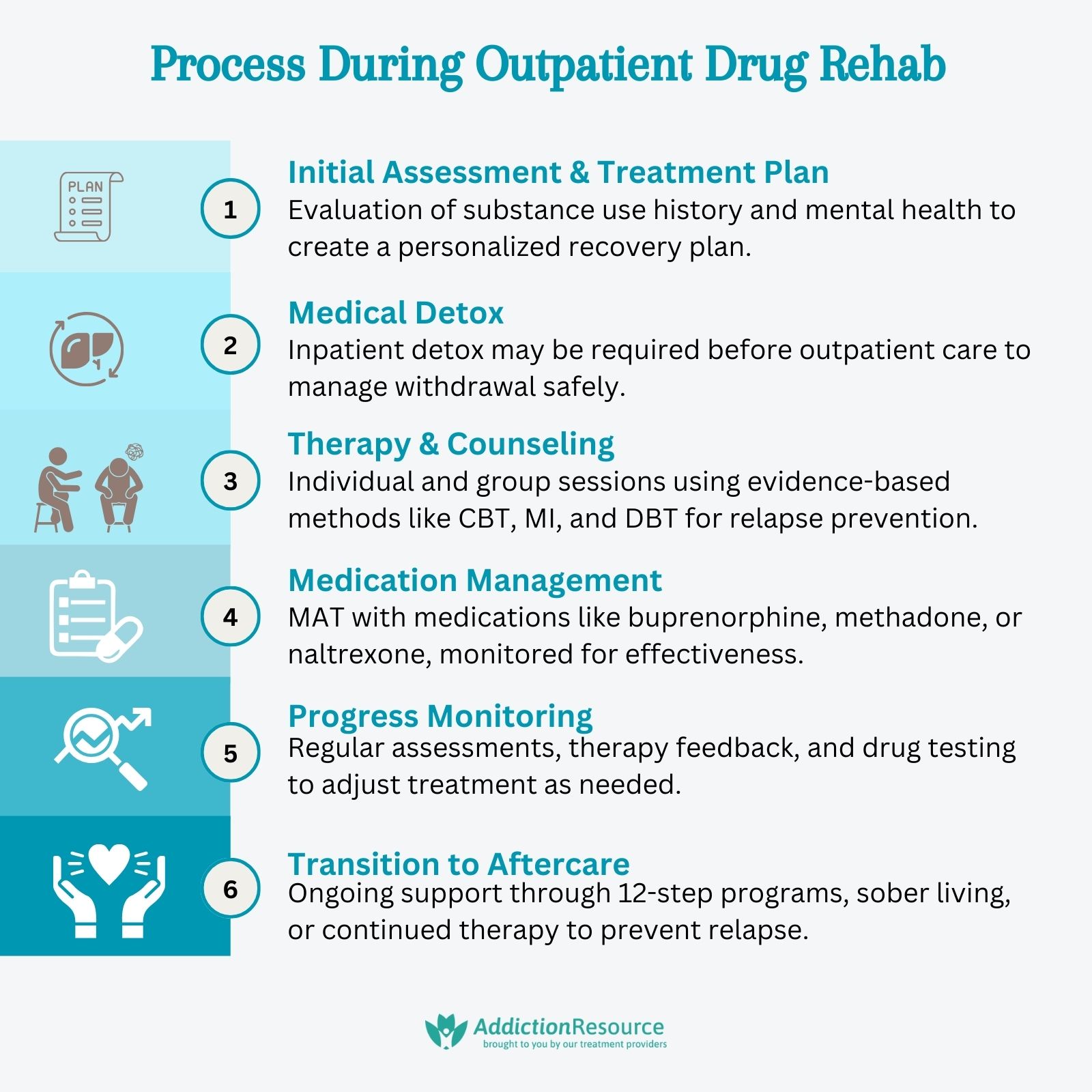
The process during outpatient drug rehab is as follows:
- Initial Assessment and Treatment Planning: Outpatient drug rehab begins with a comprehensive assessment where medical and mental health professionals evaluate the individual’s substance use history, mental health status, and personal circumstances. Based on this, a personalized treatment plan outlines therapy types, session frequency, and recovery goals.
- Medical Detox (If Needed): Some individuals require a medically supervised detox before starting outpatient therapy. This step ensures that withdrawal symptoms are safely managed under medical supervision, though it is done in an inpatient setting before transitioning to outpatient care.
- Therapy and Counseling Sessions: Patients attend individual and group therapy sessions, incorporating evidence-based therapies like Cognitive-Behavioral Therapy (CBT), Motivational Interviewing (MI), or Dialectical Behavior Therapy (DBT). These sessions focus on relapse prevention, coping strategies, and addressing any underlying mental health conditions (dual diagnosis treatment).
- Medication Management (If Applicable): For those who need Medication-Assisted Treatment (MAT), healthcare providers prescribe and monitor medications like buprenorphine, methadone, or naltrexone to help manage cravings and withdrawal symptoms. Regular follow-ups ensure correct dosage and effectiveness.
- Progress Monitoring and Adjustments: Throughout the program, progress is monitored through therapy feedback, drug testing, and counselor evaluations. Treatment plans are adjusted based on individual needs, ensuring continued support for recovery.
- Transition to Aftercare and Support Groups: As individuals progress, they transition to aftercare, which includes 12-step programs, sober living homes, or continued therapy. These resources provide long-term support to prevent relapse and reinforce the skills learned in outpatient rehab.
What Time Commitment is Necessary for Outpatient Drug Rehab to Be Effective?
Time commitment is necessary for outpatient drug rehab to be effective, requiring individuals to attend therapy sessions multiple times per week for several hours. The exact schedule varies depending on the program type, ranging from a few hours weekly in standard outpatient programs to 9 to 20 hours per week in Intensive Outpatient Programs (IOP) or Partial Hospitalization Programs (PHP). Beyond scheduled sessions, personal dedication is important, as individuals must actively engage in therapy, apply coping strategies in daily life, and make significant lifestyle changes. Success depends on avoiding triggers, building a strong support system, and committing to long-term recovery efforts, including support groups and aftercare programs.
How Long Does an Outpatient Drug Rehab Program Typically Last?
Outpatient drug rehab programs typically last between 30 to 90 days, though some extend to six months or more depending on individual needs. The duration of treatment varies based on factors such as substance severity, co-occurring disorders, and patient progress. Standard outpatient programs last a few months, while Intensive Outpatient Programs (IOP) or Partial Hospitalization Programs (PHP) range from 8 to 12 weeks. Some individuals continue treatment through ongoing therapy and aftercare to maintain long-term sobriety. Programs are customized, allowing flexibility to adapt to personal recovery goals and progress rates.
How Does Outpatient Drug Rehab Compare to Inpatient Drug Rehab?
Outpatient drug rehab compares to inpatient drug rehab by offering a more flexible treatment approach while allowing individuals to live at home, whereas inpatient rehab provides 24/7 structured care in a residential setting. The choice depends on the severity of addiction, support system, and treatment needs.
Outpatient rehab is ideal for those with mild to moderate substance use disorders who need flexibility for work or family responsibilities. In contrast, inpatient rehab is more suitable for severe addiction cases that require medical detox, intensive therapy, and a controlled environment. The choice between inpatient vs outpatient treatment depends on individual needs, but both approaches use evidence-based therapies and focus on long-term recovery.
Outpatient rehab compares to inpatient drug rehab in the following ways:
| Feature | Outpatient Rehab | Inpatient Rehab |
| Living Arrangement | Live at home | Stay at a facility |
| Cost | More affordable | Higher due to 24/7 care |
| Treatment Intensity | Part-time, flexible sessions | Full-time, immersive treatment |
| Medical Supervision | Limited, as needed | Continuous medical care |
| Best for | Mild to moderate addiction | Severe addiction, high relapse risk |
| Support System | Relies on family and self-discipline | Professional and peer support |
| Duration | Weeks to several months | 30 to 90+ days |
What Happens After Finishing Outpatient Drug Rehab?
After finishing outpatient drug rehab, individuals transition into ongoing support systems to maintain sobriety and prevent relapse. This phase includes relapse prevention strategies, continued counseling, and structured environments that reinforce recovery. Staying engaged in post-rehab programs significantly improves long-term success.
After finishing outpatient drug rehab, the below-mentioned steps are as follows:
- Relapse Prevention Programs: Structured programs help individuals identify triggers, develop coping strategies, and maintain long-term sobriety through behavioral therapy and lifestyle adjustments. According to the National Institute on Drug Abuse (NIDA), relapse rates after addiction treatment are a significant concern in the U.S., with roughly 40-60% of individuals experiencing a relapse within the first year. This highlights the importance of relapse prevention programs, which provide ongoing support, coping strategies, and structured guidance to help individuals maintain long-term recovery.
- Sober Living Homes: These provide a drug-free environment where individuals live with others in recovery, offering peer support and accountability to reduce the risk of relapse.
- Continued Counseling: Regular therapy sessions, whether individual or group-based, help individuals work through ongoing challenges, address mental health concerns, and reinforce recovery skills.
- Support Groups: Participation in 12-step programs like Alcoholics Anonymous (AA) or alternatives such as SMART Recovery offers continued guidance, community support, and accountability.
What are the Different Types of Outpatient Drug Rehab Programs?
The different types of outpatient drug rehab programs are standard outpatient programs (OP), intensive outpatient programs (IOP), and partial hospitalization programs (PHP). Each program varies in structure, intensity, and level of care, allowing individuals to choose the best option based on their recovery needs and personal commitments. Outpatient treatment provides flexibility while maintaining access to evidence-based therapies.
According to the 2020 National Survey of Substance Abuse Treatment Services (N-SSATS), approximately 58% of individuals in substance abuse treatment were enrolled in regular outpatient programs, 10% participated in intensive outpatient programs (IOP), and around 3% received care through partial hospitalization programs (PHP).
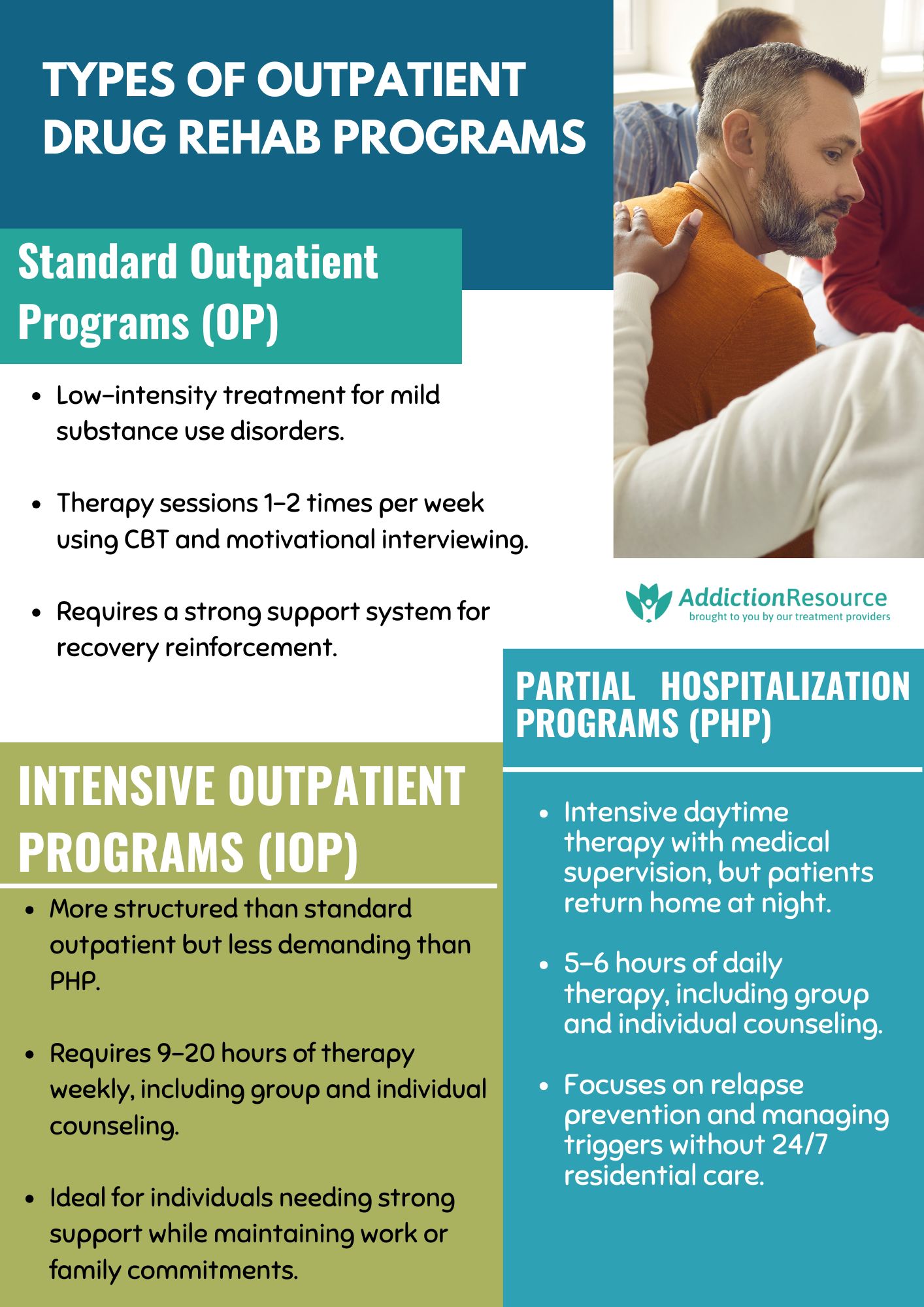
The different types of outpatient drug rehab programs are as follows:
1. Standard Outpatient Programs (OP)
Standard outpatient programs (OP) are low-intensity addiction treatment options designed for individuals with mild substance use disorders who require minimal supervision. These programs focus on self-management and offer a flexible approach to recovery while allowing participants to maintain daily responsibilities.
- Session Frequency: OP involves attending therapy sessions one to two times per week, providing structured support without disrupting work, school, or family life.
- Types of Therapy: Patients use evidence-based therapies, such as cognitive-behavioral therapy (CBT) and motivational interviewing, to develop coping strategies and prevent relapse.
- Support System: Since outpatient care involves limited supervision, individuals must have a strong support system, including family, friends, or sober communities, to reinforce recovery efforts.
2. Partial Hospitalization Programs (PHP)
Partial hospitalization programs (PHP) offer intensive, structured therapy during the day while allowing patients to return home at night. These programs bridge the gap between inpatient care and outpatient treatment, providing medical supervision and therapeutic interventions without requiring overnight stays.
- Medical Supervision: PHPs include medical monitoring, ensuring that patients with co-occurring mental health disorders or withdrawal symptoms receive appropriate care.
- Therapy Sessions: Individuals participate in structured therapy, including group counseling, one-on-one sessions, and behavioral interventions, lasting 5 to 6 hours daily.
- Behavioral Counseling: PHPs emphasize relapse prevention techniques and coping strategies to help individuals manage triggers and cravings.
- Difference from Inpatient Rehab: Unlike inpatient programs, PHPs do not require 24/7 residential care, making them a flexible yet intensive option for those who need structured treatment.
3. Intensive Outpatient Programs (IOP)
Intensive outpatient programs (IOP) provide structured treatment that is more intensive than standard outpatient programs but less demanding than partial hospitalization programs. Requiring 9 to 20 hours of therapy per week, IOPs focus on helping individuals build coping mechanisms and relapse prevention skills while maintaining their daily commitments. Treatment includes a combination of group therapy, individual counseling, and skill-building exercises tailored to each patient’s needs. IOP’s are ideal for those who need a higher level of care than standard outpatient treatment but do not want to commit to a PHP or inpatient rehab due to work, family, or financial constraints.
Can you do Outpatient Drug Rehab Online or via Telehealth?
Yes, you can do outpatient drug rehab online or via telehealth, which offers virtual and remote treatment options for individuals seeking flexibility in their recovery journey. These programs involve remote therapy sessions, counseling, and support groups conducted through video conferencing platforms, allowing patients to receive structured treatment from their homes. Studies have supported the effectiveness of telehealth addiction treatment; for instance, research by UT Health San Antonio published in San Antonio Express News demonstrated that participants using a therapy-based smartphone app reduced opioid use by 35% and remained in treatment 19% longer compared to those receiving only medication-assisted treatment.
Do Outpatient Drug Rehabs include Medically Assisted Treatment (MAT)?
Yes, outpatient drug rehabs include Medically Assisted Treatment (MAT) as part of their programs. MAT combines FDA-approved medications with counseling and behavioral therapies to treat substance use disorders, particularly for opioids and alcohol. Many outpatient programs offer MAT to help manage withdrawal symptoms, reduce cravings, and support long-term recovery while allowing individuals to continue their daily responsibilities.
Common MAT medications include buprenorphine, methadone, and naltrexone for opioid addiction, as well as disulfiram, acamprosate, and naltrexone for alcohol use disorder. Research by Saxon AJ et al. 2023, titled “Medication-assisted treatment for opioid addiction: Methadone and buprenorphine,” shows that buprenorphine and methadone reduce opioid cravings and withdrawal symptoms, significantly lowering the risk of relapse. Naltrexone blocks opioid and alcohol effects, preventing misuse, while acamprosate helps restore brain chemistry after alcohol dependence, as studied by NIDA. Studies by the National Association of Counties titled “Medication-Assisted Treatment (“MAT”) for Opioid Use Disorder: A NACo Opioid Solutions Strategy Brief” indicate that MAT improve treatment retention and reduce overdose deaths byt 50%, making it a vital component of outpatient recovery programs.
What Treatment Approaches are Used in Outpatient Drug Rehab?
Treatment approaches used in outpatient drug rehab include therapy, counseling, and medical support to promote recovery. These evidence-based methods help individuals develop coping skills, prevent relapse, and address underlying mental health conditions while maintaining their daily responsibilities.
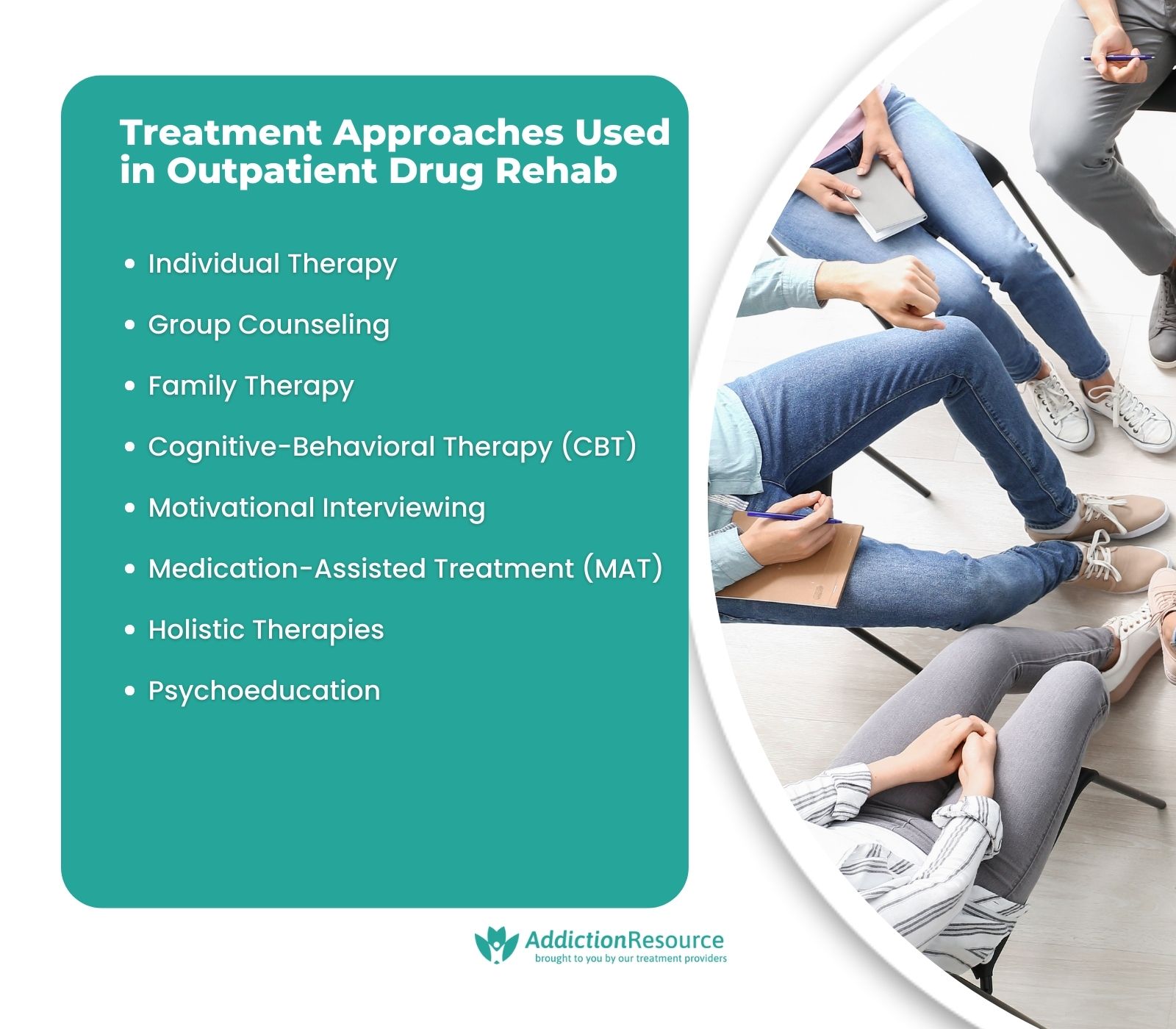
The following treatment approaches are used in outpatient drug rehab:
- Individual Therapy: One-on-one counseling sessions with a therapist to address personal struggles, triggers, and mental health conditions. It is beneficial for individuals with co-occurring disorders or those needing personalized guidance.
- Group Counseling: Peer support sessions led by a therapist where individuals share experiences, receive feedback, and build a sense of community. According to the American Psychological Association in their study titled “Group therapy is as effective as individual therapy, and more efficient. Here’s how to do it successfully,” it helps reduce isolation and motivates shared recovery journeys.
- Family Therapy: Family therapy involves close family members in recovery to improve communication, rebuild trust, and create a supportive home environment. It is ideal for individuals whose addiction has strained family relationships.
- Cognitive-Behavioral Therapy (CBT): CBT is a structured approach that helps individuals identify and change negative thought patterns and behaviors linked to substance use. It is particularly effective for those struggling with relapse triggers and self-destructive behaviors. According to Verywell Mind’s “Can Cognitive Behavioral Therapy (CBT) Treat Alcoholism and Drug Addiction?” approximately 60% of people who are treated with cognitive behavioral therapy for a substance use problem are able to maintain their recovery for a year.
Motivational Interviewing: MI is a goal-oriented counseling method that enhances motivation and commitment to recovery by addressing ambivalence. It is helpful for individuals hesitant about treatment or struggling with internal resistance. Limited research suggests that Motivational Interviewing (MI) positively impacts reducing binge drinking, alcohol consumption frequency and quantity, and substance abuse among individuals with dependency or addiction. According to Frost H et al. 2018, titled “Effectiveness of Motivational Interviewing on adult behaviour change in health and social care settings: A systematic review of reviews,” MI has shown effectiveness in promoting behavioral change in health and social care settings through a systematic review of reviews. - Medication-Assisted Treatment (MAT): The use of FDA-approved medications alongside therapy to manage withdrawal symptoms, reduce cravings, and support long-term sobriety. It is mainly used for opioid and alcohol addiction.
- Holistic Therapies: Complementary treatments such as yoga, meditation, art therapy, and acupuncture promote emotional well-being and stress management. These are beneficial for individuals seeking a well-rounded recovery approach.
- Psychoeducation: Educational sessions that provide individuals and families with knowledge about addiction, relapse prevention strategies, and healthy coping mechanisms. It helps patients make informed decisions about their recovery.
Does Outpatient Drug Rehab Administer Drug Tests?
Yes, outpatient drug rehab programs administer drug tests to monitor patient progress, ensure accountability, and support relapse prevention. These tests help track substance use and adjust treatment plans accordingly. Common methods include urine tests, saliva swabs, and blood alcohol content (BAC) tests, which provide reliable measures of recent substance use.
What Are the Benefits of Outpatient Drug Rehab?
The benefits of outpatient drug rehab are flexibility, affordability, the ability to maintain daily life, and access to family support. These advantages make outpatient programs viable for individuals seeking treatment while balancing personal and professional commitments.
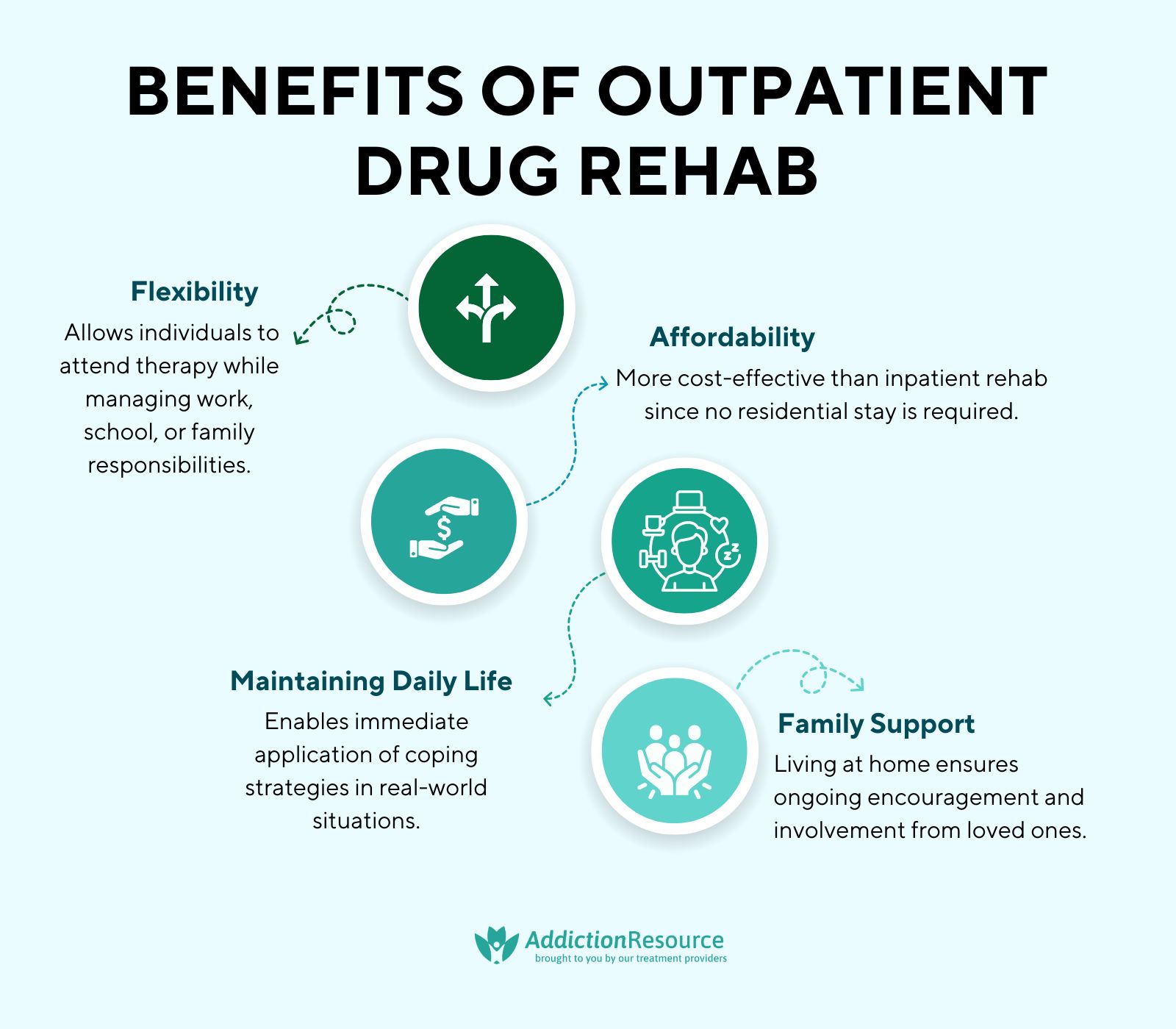
The benefits of outpatient drug rehab are as follows:
- Flexibility: Outpatient programs offer adaptable schedules, allowing patients to attend therapy sessions during evenings or weekends. This flexibility enables individuals to continue working, attending school, or fulfilling family obligations while receiving treatment.
- Affordability: Since outpatient rehab does not require residential accommodations, it is more cost-effective than inpatient programs. This affordability makes treatment accessible to a broader range of individuals seeking help.
- Ability to Maintain Daily Life: Participants immediately apply coping strategies learned in therapy to real-world situations, reinforcing their recovery process. This approach supports the integration of new behaviors into daily routines, enhancing the effectiveness of treatment.
- Access to Family Support: Living at home during treatment allows individuals to receive ongoing support from family members. This continuous involvement strengthens the recovery process and improves communication within the family unit.
What are the Limitations of Outpatient Drug Rehab?
The limitations of outpatient drug rehab are reduced supervision, potential exposure to triggers, and limited access to intensive medical care. These factors make outpatient programs less suitable for individuals with severe addictions or those requiring round-the-clock support.
Outpatient programs lack the 24/7 supervision found in inpatient settings, which is important for individuals prone to relapse or with co-occurring mental health disorders. Remaining in one’s usual environment exposes patients to triggers such as stressors or social circles associated with substance use, potentially hindering recovery efforts. Furthermore, outpatient rehab does not provide immediate access to intensive medical care, making it less appropriate for those needing medical detoxification or comprehensive health monitoring.
What is the Cost of Outpatient Drug Rehab in the U.S.?
The cost of outpatient drug rehab in the U.S. ranges from $1,000 to $10,000 for a 30-day program. Factors influencing the price include the program’s length, the services offered, and the facility’s location. Urban centers or regions with higher living costs have more expensive programs, while rural areas might offer more affordable options. Researching and comparing facilities is important to find a program that fits your treatment needs and budget.
Is Outpatient Drug Rehab Covered by Insurance?
Yes, outpatient drug rehab is covered by insurance. The Affordable Care Act (ACA) mandates that insurance plans include mental health and substance use disorder services as important health benefits, ensuring coverage for such treatments. Coverage specifics vary depending on the insurance provider and plan. Private insurance, Medicaid, and Medicare offer some coverage for outpatient rehab services. It’s important to consult your insurance policy or speak with your provider to understand the extent of coverage and any out-of-pocket costs you incur.
How Effective is Outpatient Rehab in the U.S.?
Outpatient rehab in the U.S. is highly effective in promoting recovery, with success rates varying based on individual commitment and the specific program. For instance, a study by Proctor SL, Herschman PL. et al. 2014, titled “The continuing care model of substance use treatment: what works, and when is “enough,” “enough?” has indicated that participation in programs like Narcotics Anonymous (NA) leads to higher abstinence rates; individuals attending one or more meetings per week reported a 77.7% abstinence rate at a 24-month follow-up.
The Community Reinforcement Approach (CRA), which integrates behavioral strategies to encourage sobriety, has demonstrated positive outcomes. Key factors that enhance the effectiveness of outpatient rehab include active engagement in therapy sessions, a robust support system, and the application of evidence-based treatment modalities.
Who Needs Outpatient Drug Rehab?
Individuals with mild to moderate substance use disorders who possess a stable home environment and a strong support system are ideal candidates for outpatient drug rehab. This form of treatment allows them to maintain daily responsibilities, such as work or family obligations, while receiving necessary therapeutic support.
Can Outpatient Drug Rehab Help With Dual Diagnosis?
Yes, outpatient drug rehab can help with dual diagnosis by providing integrated treatment that addresses both substance use disorders and co-occurring mental health conditions. According to SAMHSA, approximately 21.5 million adults in the U.S. experience co-occurring mental health and substance use disorders. These programs use a combination of therapy, medication management, and holistic approaches to ensure comprehensive care for dual diagnosis.
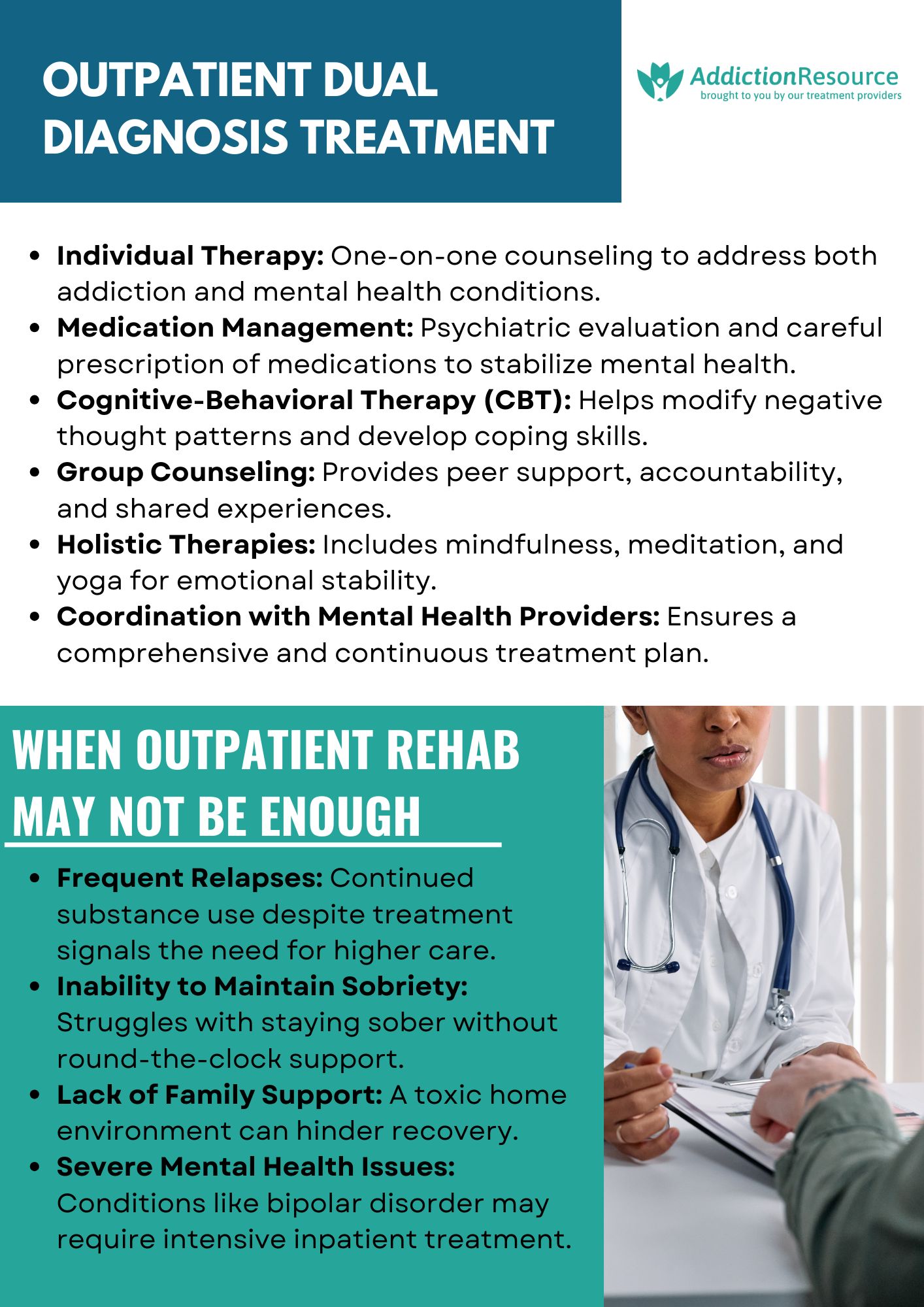
Outpatient dual diagnosis treatment includes:
- Individual Therapy: Patients receive one-on-one counseling with licensed therapists to address both substance use disorders and co-occurring mental health conditions. These sessions focus on identifying triggers, developing healthy coping mechanisms, and creating a personalized relapse prevention plan. Therapy also involves behavioral interventions to help individuals manage symptoms of depression, anxiety, or other psychiatric disorders.
- Medication Management: Psychiatrists or medical professionals assess and prescribe medications to stabilize mood disorders, anxiety, or other mental health conditions. Careful monitoring ensures that prescribed medications do not interfere with addiction recovery while effectively managing symptoms. Regular evaluations help adjust dosages and prescriptions based on the patient’s progress and specific needs.
- Cognitive-Behavioral Therapy (CBT): CBT is an evidence-based approach that helps individuals identify and modify negative thought patterns and behaviors that contribute to both addiction and mental health issues. This structured therapy focuses on building problem-solving skills, increasing emotional regulation, and reinforcing healthier coping mechanisms to reduce the risk of relapse.
- Group Counseling: Patients participate in structured group therapy sessions where they share experiences and receive guidance from licensed professionals. These sessions provide social support, reinforce accountability, and help individuals learn from others facing similar dual diagnosis challenges. Group counseling also fosters communication skills and emotional expression, necessary for long-term recovery.
- Holistic Therapies: Many outpatient programs integrate holistic approaches such as mindfulness, meditation, and yoga to help manage the stress and emotional instability associated with dual diagnosis. These therapies support overall well-being by promoting relaxation, improving emotional resilience, and enhancing self-awareness, making it easier for individuals to maintain sobriety and mental stability.
- Coordination with Mental Health Providers: Outpatient rehab programs collaborate with psychiatrists, primary care physicians, and mental health specialists to ensure comprehensive and continuous care. This coordinated approach allows for better treatment planning, consistent medication management, and alignment of therapy strategies to address both substance use and mental health disorders effectively.
How to know if Outpatient Drug Rehab is not Enough for Recovery?
To know if outpatient drug rehab is not enough for recovery, individuals assess their progress and identify persistent challenges that hinder long-term sobriety. If outpatient care fails to provide the necessary support, a higher level of treatment, such as inpatient rehab, is required to achieve sustained recovery.
To know if outpatient drug rehab is not enough for recovery, the following signs are noted:
- Frequent Relapses: If an individual continues to relapse despite attending outpatient treatment, it indicates that a more intensive rehab program is needed. According to the National Institute on Drug Abuse (NIDA), relapse rates for outpatient rehab range from 40% to 60%, highlighting the need for alternative options when progress is limited.
- Inability to Maintain Sobriety: Those struggling to stay sober outside of structured therapy sessions benefit from inpatient care, where round-the-clock support and supervision are available to prevent substance use.
- Lack of Family Support: A stable and supportive home environment is important for outpatient rehab success. If an individual lacks family encouragement or lives in a toxic setting that promotes substance use, inpatient rehab is a safer option.
- Severe Mental Health Issues: Co-occurring disorders such as severe depression, anxiety, or bipolar disorder require more intensive treatment, including psychiatric care and medication management, which are more readily available in inpatient settings.
How to Find an Outpatient Drug Rehab Near Me?
To find an outpatient drug rehab near you, individuals start by researching licensed and accredited facilities that offer evidence-based treatments tailored to their needs. It’s important to consider factors such as program quality, staff experience, and patient reviews to ensure effective and supportive care to find an appropriate rehab near me.
To find an outpatient drug rehab near me, the below-mentioned factors are considered:
- State Licensing: A reputable outpatient rehab facility must be licensed by the state’s health department or regulatory body. Licensing ensures that the facility complies with state-mandated safety, medical, and ethical standards for addiction treatment. Before enrolling, patients should verify a center’s license through state databases or official government websites.
- Accreditation: Facilities accredited by reputable organizations like the Commission on Accreditation of Rehabilitation Facilities (CARF) or the Joint Commission have undergone rigorous evaluations to meet industry standards for quality care, patient safety, and evidence-based treatment practices. Accreditation ensures that a rehab center maintains high treatment effectiveness, qualified staff, and ethical guidelines.
- Evidence-Based Treatments: Effective outpatient programs incorporate scientifically supported treatment methods proven to help individuals recover from addiction. These include cognitive-behavioral therapy (CBT), motivational interviewing (MI), medication-assisted treatment (MAT), and relapse prevention therapy. Evidence-based approaches improve patient outcomes by addressing the psychological and physical aspects of addiction.
- Experienced Staff: A qualified rehab facility should have a team of licensed addiction counselors, medical doctors, psychiatrists, psychologists, and therapists who specialize in substance use disorders. The expertise of these professionals ensures that patients receive structured treatment, accurate diagnoses for co-occurring disorders, and proper medication management when necessary.
- Patient Reviews: Testimonials and ratings from former patients provide first-hand insights into the rehab center’s effectiveness, staff behavior, treatment approaches, and overall patient experience. Reviews from reputable sources such as Google, Yelp, or rehabilitation directories help assess the center’s credibility, success rates, and patient satisfaction levels.
- Personalized Care Plans: The most effective outpatient programs tailor treatment plans based on individual addiction histories, mental health conditions, substance use severity, and personal circumstances. A customized approach ensures that therapy, counseling, and support services align with each patient’s specific needs, improving recovery outcomes.
- Aftercare Support: Recovery does not end after outpatient treatment. A strong rehab center provides ongoing support services, including relapse prevention programs, individual counseling, group therapy, sober living resources, and 12-step meetings like Alcoholics Anonymous (AA) and Narcotics Anonymous (NA). Long-term aftercare significantly reduces the chances of relapse and helps individuals maintain sobriety.
Can I Continue Working or Attending School While in Outpatient Treatment?
Yes, you can continue working or attending school while in outpatient treatment because it is designed to accommodate individuals who need to maintain their daily responsibilities, such as work or school. Outpatient rehab programs offer flexible scheduling, including evening and weekend sessions, allowing patients to attend therapy and counseling while fulfilling their academic or professional obligations. This makes it an ideal option for those who cannot take extended leave but still require structured treatment for substance use disorders. However, the intensity of the outpatient program affects the amount of free time available for work or studies.
Standard outpatient programs (OPs) involve minimal weekly sessions, while intensive outpatient programs (IOPs) require a greater time commitment, 9 to 20 hours per week. Partial hospitalization programs (PHPs) are even more demanding, requiring multiple hours of treatment daily. The National Institute on Drug Abuse (NIDA) emphasizes that maintaining a structured routine and strong support system is important for recovery while balancing other responsibilities. Patients must communicate with their employers or school administrators if accommodations are needed to support their treatment journey.
How Often Do I Need to Attend Sessions?
You need to attend 9 to 20 hours of weekly sessions on average. The frequency of outpatient rehab sessions depends on the type of program and the severity of the addiction. Standard outpatient programs (OPs) require attendance once or twice a week, focusing on counseling, therapy, and support groups. Intensive outpatient programs (IOPs) require a higher time commitment, 9 to 20 hours per week, with multiple therapy sessions, group counseling, and relapse prevention strategies.
Partial hospitalization programs (PHPs) are the most intensive form of outpatient care. They involve at least five sessions per week, lasting several hours per day, to provide structured therapy and medical supervision. The required session frequency is based on a patient’s progress, ongoing assessments, and individual treatment plans. As recovery advances, session frequency decreases, but ongoing participation remains necessary to maintain sobriety and prevent relapse.
Does Outpatient Rehab Include Medical Detox?
No, most outpatient drug rehab programs do not include medical detox because withdrawal symptoms are severe and require round-the-clock medical supervision. Medical detox is provided in inpatient rehab or specialized detox centers, where healthcare professionals monitor and manage withdrawal symptoms to ensure patient safety. However, some outpatient programs offer ambulatory detox, a form of detox where patients receive medications and periodic monitoring at a clinic while detoxing at home.
This option is only suitable for individuals with mild to moderate withdrawal symptoms and a stable home environment. Those with severe withdrawal risks, such as alcohol, benzodiazepine, or opioid dependence, require inpatient detox before transitioning to outpatient care. The Substance Abuse and Mental Health Services Administration (SAMHSA) highlights that safe and medically supervised detox is necessary to prevent complications like seizures, dehydration, or relapse due to unmanaged withdrawal symptoms.
What Kind of Support Is Available After Completing Outpatient Treatment?
After completing outpatient treatment, continued support includes relapse prevention programs, counseling, 12-step meetings, sober living homes, and alumni support groups. Many rehab centers provide aftercare programs, which consist of ongoing therapy sessions to help individuals manage stressors and triggers in their daily lives. Telehealth counseling is also an option for those who prefer remote access to therapy and support groups.
Peer support communities, such as Alcoholics Anonymous (AA) and Narcotics Anonymous (NA), maintain long-term sobriety by offering structured, peer-led recovery meetings. For individuals needing additional support, sober living homes provide a drug-free environment with accountability measures, helping ease the transition back to independent living. By participating in aftercare services, individuals reinforce their coping strategies, build a support network, and reduce the risk of relapse.
What Happens If You Relapse During Outpatient Treatment?
If you relapse during outpatient treatment, therapists reassess the treatment plan and provide additional support to help prevent future relapses. Relapse is not a failure but rather an indicator that adjustments are needed in therapy, medication, or support strategies. Depending on the severity of the relapse, a patient is encouraged to increase therapy sessions, join more intensive counseling groups, or explore new coping mechanisms.
In some cases, a higher level of care is necessary, such as transitioning from a standard outpatient program (OP) to an intensive outpatient program (IOP) or a partial hospitalization program (PHP). Severe relapses require admission to inpatient rehab for more structured care. According to the National Institute on Drug Abuse (NIDA), relapse rates for addiction treatment range from 40% to 60%, which is comparable to chronic conditions like diabetes or hypertension.
How Private and Confidential Is Outpatient Rehab?
Outpatient rehab is highly private and confidential, following HIPAA (Health Insurance Portability and Accountability Act) regulations, which protect patient records and treatment details. All medical and therapy-related information remains strictly confidential and is not shared without the patient’s explicit consent. Rehab centers do not disclose information without patient consent, except in specific cases involving legal obligations, such as court orders, subpoenas, or instances where the patient threatens themselves or others.
Many facilities offer anonymous enrollment options to ensure privacy, particularly for professionals or individuals who want to avoid stigma. Many outpatient programs also provide discreet treatment options, including virtual therapy sessions and flexible appointment scheduling to accommodate individuals who prioritize confidentiality. These measures allow patients to receive the care they need while maintaining their professional and personal lives without fear of judgment or unwanted exposure.
Will I Be Drug Tested During Outpatient Treatment?
Yes, you will be drug tested during outpatient treatment. Drug testing is a standard component of outpatient rehab, ensuring that patients remain accountable for their sobriety. These tests include regular drug screenings, such as urine tests, saliva tests, and blood alcohol content (BAC) screenings, depending on the substance being monitored. The testing frequency varies based on the type of outpatient program, the patient’s progress, and the rehab center’s policies.
Intensive outpatient programs (IOPs) and partial hospitalization programs (PHPs) require more frequent testing than standard outpatient care. While drug tests are not meant to be punitive, they help identify potential relapse risks early, allowing therapists to modify treatment plans and provide additional support if needed. Some outpatient programs also use randomized testing to prevent dishonesty and ensure compliance with sobriety goals. By incorporating regular testing, rehab centers create a structured environment that reinforces recovery and helps patients stay committed to their treatment plans.
Can I Transition from Outpatient to Inpatient Rehab if Needed?
Yes, you can transition from outpatient to inpatient drug rehab if outpatient care is insufficient for their needs. This happens if a person experiences frequent relapses, lacks a stable home environment, or requires more intensive medical and psychological support. Inpatient drug rehab provides 24/7 supervision, structured therapy, and detox services, making it ideal for those struggling with severe addiction.
Are Medications Available as Part of Outpatient Treatment?
Yes, medications are available as part of outpatient treatment because outpatient treatments include medication-assisted treatment (MAT) for substance use disorders. MAT combines FDA-approved medications such as buprenorphine, methadone, and naltrexone with therapy to reduce cravings and withdrawal symptoms. This approach is especially effective for opioid and alcohol addiction, as recognized by SAMHSA and NIDA.
What Should I Bring to My Outpatient Sessions?
You should bring identification, insurance details, a journal, and any prescribed medications to your outpatient sessions. Comfortable clothing and a notebook for tracking therapy insights are also helpful. Some rehab centers have specific guidelines on what items are allowed, so it’s best to check with the facility in advance.
Can my family or loved ones be involved in my outpatient treatment?
Yes, your family and loved ones can be involved in your outpatient treatment through family therapy sessions, educational workshops, and support groups. Involving loved ones in recovery helps strengthen relationships, provides emotional support, and improves long-term sobriety outcomes. Programs like Al-Anon and Nar-Anon also offer support for families coping with a loved one’s addiction.

 FindTreatment.gov