

 Edit by: Brittni
Barbiturates are a class of drugs prescribed for anxiety, insomnia, and seizure disorders. Over time, regular use leads to both physical and psychological reliance on these substances, impacting a person’s ability to function without them. According to WebMD, About 9% of Americans abuse barbiturates at some point in their lives.
The main symptoms of barbiturate dependence include cravings, tolerance, physical withdrawal symptoms (such as anxiety, tremors, and seizures), and a strong psychological urge to continue using the drug. Individuals also experience mood swings, confusion, and impaired cognitive function.
Several causes and risk factors contribute to barbiturate dependence, including genetic predisposition, a history of substance abuse, and the presence of mental health disorders like anxiety and depression. Chronic pain patients or individuals who rely on barbiturates for prolonged periods are at higher risk, especially if these medications are used without proper medical supervision.
Table Of Contents:
- What is Barbiturate Dependence?
- What are the Signs and Symptoms of Barbiturate Dependence?
- What are the Side Effects of Barbiturate Dependence on the Brain and Body?
- What are the Causes and Risk Factors of Barbiturate Dependence?
- What are the Treatment Options for Barbiturate Dependence?
- How to Prevent Barbiturate Dependence?
- What are Barbiturates?

Treatment options for barbiturate dependence include medical detoxification to manage withdrawal symptoms, psychotherapy such as cognitive-behavioral therapy (CBT) to address the underlying causes of addiction and long-term rehabilitation programs. Medications like benzodiazepines or anticonvulsants are also used to reduce withdrawal symptoms and cravings. According to Psychology Today, more than 75% of people addicted to drugs or stimulants recover after proper treatment.
What is Barbiturate Dependence?
Barbiturate dependence is a condition in which individuals develop a physical and psychological reliance on barbiturates, a class of sedative-hypnotic drugs primarily prescribed for anxiety, insomnia, or seizure disorders. The official definition of barbiturate dependence, according to the World Health Organization 1964, is “a state arising from the repeated use administration of barbiturate or an agent with barbiturate-like effect on a continuous basis generally in amounts exceeding therapeutic dose levels. Its characteristics include: 1) a strong desire or need to continue taking the drug; the need can be satisfied by the drug taken initially or by another with barbiturate-like properties; 2) a tendency to increase the dose partly owing to the development of tolerance; 3) a psychic dependence on the effects of drug-related to the subjective and individual appreciation of those effects; 4) a physical dependence on the effects of the drug requiring its presence for the maintenance of homeostasis and resulting a definite, characteristic and self-limiting abstinence syndrome when the drug is withdrawn.”
Commonly used barbiturates include phenobarbital, secobarbital, and amobarbital. These drugs are less prescribed today due to their high risk of dependence and overdose, which led to their replacement in many cases by safer alternatives like benzodiazepines. Despite this decline in prescription use, barbiturate dependence persists among certain populations, including those who misuse them recreationally.
Barbiturate dependence is relatively uncommon compared to other substance dependencies. Its consequences are severe, as abrupt cessation results in life-threatening withdrawal symptoms, including seizures. A 2019 study on sedative use in the U.S. reported that barbiturates accounted for less than 10% of sedative misuse cases but highlighted their disproportionate risk for overdose and dependence compared to benzodiazepines.
Why Do People Get Dependent on Barbiturates?
People become dependent on barbiturates because of their potent sedative and anxiolytic effects, which provide temporary relief from stress, anxiety, and insomnia. Barbiturates enhance the activity of gamma-aminobutyric acid (GABA), a neurotransmitter that slows down brain activity, creating a sense of calm and relaxation. This effect is highly appealing to individuals seeking relief from psychological distress or those looking for a euphoric high, especially when taken in larger doses than prescribed.
Dependence develops as the brain adapts to the continuous presence of barbiturates, requiring higher doses to achieve the same effects—a phenomenon known as tolerance. Over time, the body becomes reliant on the drug to maintain normal functioning, leading to withdrawal symptoms when its use is reduced or stopped. Long-term use of barbiturates, even at therapeutic doses, results in dependence, according to a study by Suddock JT, Kent KJ, Regina AC, et al. 2024, titled “Barbiturate Toxicity,” with withdrawal symptoms ranging from restlessness to potentially fatal seizures, underscoring the dangers of misuse.
What are the Signs and Symptoms of Barbiturate Dependence?
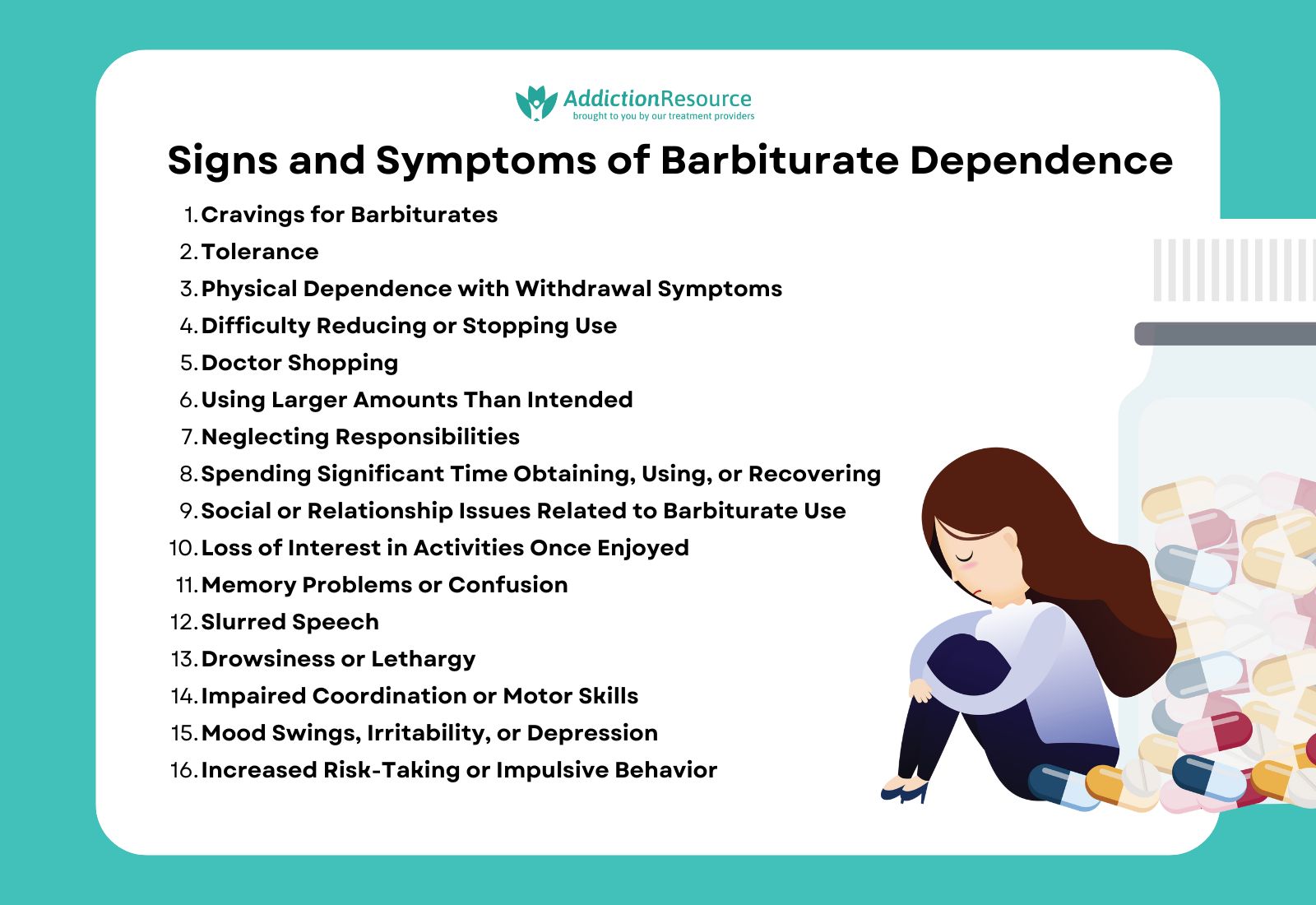
The signs and symptoms of Barbiturate Dependence are cravings for barbiturates, tolerance to their effects, and physical withdrawal symptoms. These symptoms collectively indicate how barbiturate use evolves from occasional misuse to chronic dependency, affecting physical, mental, and social functioning.
The signs and symptoms of Barbiturate Dependence are listed below:
- Cravings for Barbiturates: Cravings are an intense psychological urge to use barbiturates and represent a behavioral symptom. They occur due to the brain’s dependency on the drug’s effects, particularly its modulation of gamma-aminobutyric acid (GABA) activity. A publication titled “Drugs, Brains, and Behavior: The Science of Addiction” in the National Institute on Drug Abuse (NIDA) highlights how the reward pathways in the brain drive cravings, notably the amygdala and prefrontal cortex, which become conditioned to associate barbiturates with relief or pleasure. Severe cravings significantly disrupt daily functioning and increase the risk of relapse during withdrawal.
- Tolerance (Needing Higher Doses for the Same Effect): Tolerance is a physiological sign where increasing amounts of the drug are required to achieve the desired sedative or euphoric effects. This occurs because prolonged barbiturate use downregulates GABA receptors in the brain, diminishing the drug’s impact over time. According to research by Ito T, Suzuki T, Wellman SE, Ho IK. et al. 1996, titled “Pharmacology of barbiturate tolerance/dependence: GABAA receptors and molecular aspects,” tolerance develops within weeks of barbiturates consistent use, increasing the likelihood of overdose as individuals consume dangerously high doses to compensate.
- Physical Dependence with Withdrawal Symptoms: Physical dependence manifests through withdrawal symptoms such as tremors, sweating, seizures, and, in severe cases, life-threatening delirium. This physical symptom reflects the body’s adaptation to barbiturates to maintain homeostasis. When the drug is abruptly reduced or stopped, the central nervous system becomes hyperactive, leading to withdrawal effects. Research by Sarrecchia C, Sordillo P, Conte G, Rocchi G. et al. 1998, titled “Sindrome da astinenza da barbiturici: un caso associato con l’abuso di un preparato per il trattamento della cefalea [Barbiturate withdrawal syndrome: a case associated with the abuse of a headache medication]” shows that barbiturate withdrawal severity correlates with the duration and dosage of barbiturate use.
- Difficulty Reducing or Stopping Use: This behavioral symptom arises from the combined effects of psychological dependence, cravings, and physical withdrawal symptoms. Even with a strong desire to quit, many individuals find themselves unable to reduce usage without medical assistance, relapsing due to the discomfort of withdrawal or persistent cravings.
- Doctor Shopping: Doctor shopping involves visiting multiple healthcare providers to obtain additional prescriptions and is a behavioral symptom indicative of dependence. This practice stems from the desperation to maintain supply as tolerance and dependence increase. Doctor shopping is common among individuals with prescription drug dependency.
- Using Larger Amounts Than Intended: Overconsumption reflects a loss of control over drug consumption, a hallmark of substance dependence. Behavioral and neurological changes drive this pattern, including impairments in decision-making and impulse control linked to the prefrontal cortex.
- Neglecting Responsibilities: Dependence leads to neglecting work, school, or home obligations, as barbiturate use takes priority. This behavioral symptom is accompanied by deteriorating performance and strained relationships, highlighting the impact of dependence on daily life as studied by the National Institute on Drug Abuse (NIDA).
- Spending Significant Time Obtaining, Using, or Recovering: This behavioral pattern reflects the central role of barbiturates in a dependent individual’s life. The cycle of use and recovery consumes time and energy, further marginalizing other activities and responsibilities, as explained in DSM-5.
- Social or Relationship Issues Related to Barbiturate Use: Dependence on barbiturates leads to conflicts and strained relationships due to mood swings, secretive behavior, and neglect of interpersonal responsibilities. This symptom represents the broader social consequences of addiction.
- Loss of Interest in Activities Once Enjoyed: This psychological symptom indicates a shift in priorities, as the brain’s reward system becomes dominated by barbiturate use, diminishing pleasure derived from other activities.
- Memory Problems or Confusion: Cognitive impairments, such as forgetfulness and difficulty concentrating, are common physical symptoms caused by the drug’s sedative effects on the brain. Chronic use disrupts neural pathways associated with memory and learning.
- Slurred Speech: Slurred speech is a physical symptom stemming from the depressive effects of barbiturates on the central nervous system. This impairs motor control and coordination, which becomes more pronounced with higher doses.
- Drowsiness or Lethargy: Drowsiness is a physical symptom caused by the drug’s sedative action on the brain, which slows neural activity. Chronic drowsiness interferes with daily functioning and increases the risk of accidents.
- Impaired Coordination or Motor Skills: Barbiturates disrupt motor control by affecting the cerebellum, leading to symptoms such as clumsiness or difficulty performing tasks requiring precision.
- Mood Swings, Irritability, or Depression: These psychological symptoms reflect the impact of barbiturates on mood-regulating neurotransmitters like serotonin. Prolonged use exacerbates mental health issues and leads to emotional instability.
- Increased Risk-Taking or Impulsive Behavior: This behavioral symptom arises from impaired decision-making and impulse control, as dependence disrupts the brain’s prefrontal cortex, increasing vulnerability to risky actions.
What are the Side Effects of Barbiturate Dependence on the Brain and Body?
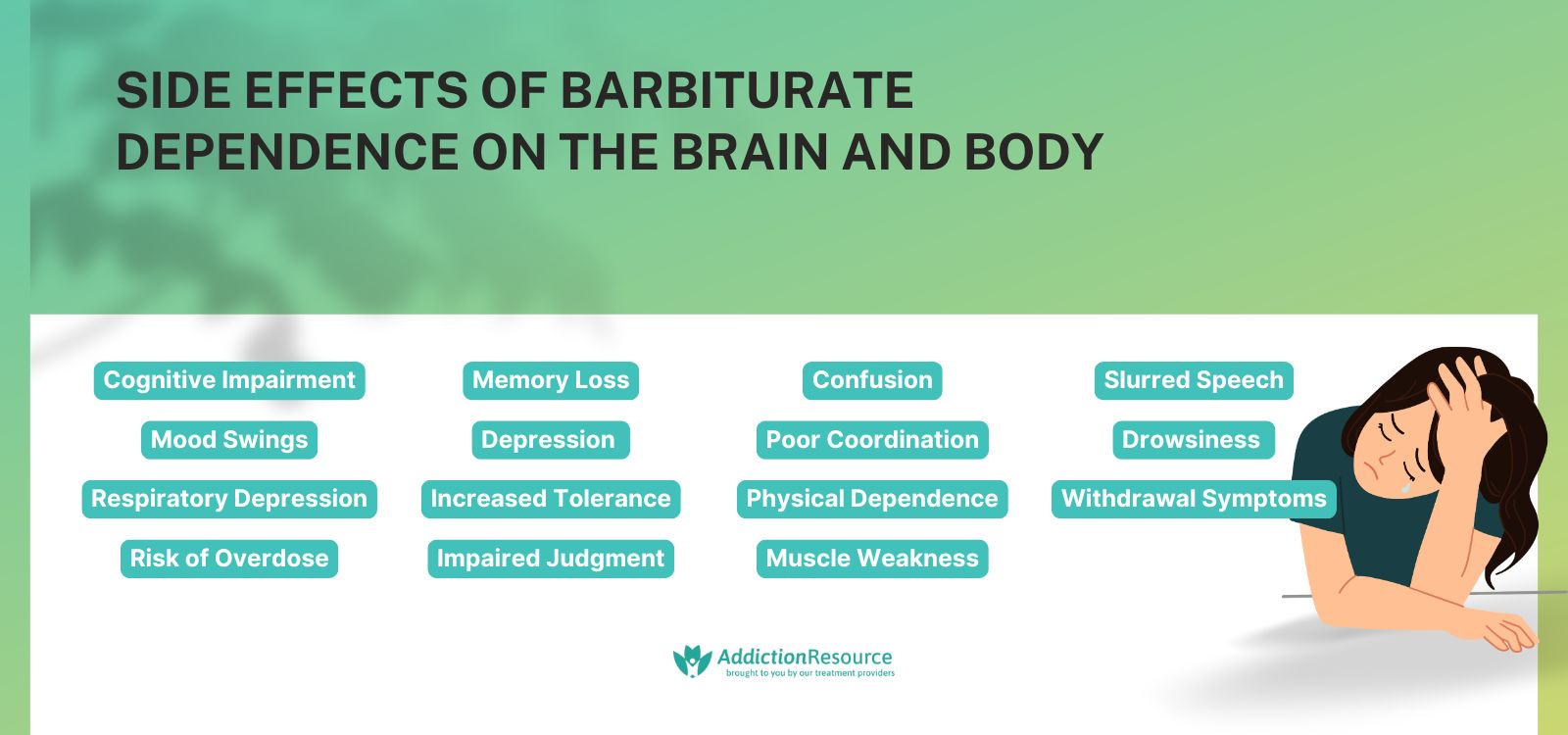
The side effects of Barbiturate Dependence on the brain and body are cognitive impairment, respiratory depression, and memory loss. These effects highlight the severe consequences of prolonged use, affecting mental clarity, physical function, and overall health.
The side effects of Barbiturate Dependence on the brain and body are as follows:
- Cognitive Impairment: Barbiturate use significantly hampers cognitive functions, including reasoning, decision-making, and concentration. This occurs due to the drug’s depressive effect on the central nervous system (CNS), reducing neuronal activity. Over time, these effects worsen, potentially causing long-term brain damage. A study by Eddy CM, Rickards HE, and Cavanna AE. et al. 2011, titled “The cognitive impact of antiepileptic drugs,” found that chronic barbiturate users exhibit reduced cognitive flexibility and slower information processing.
- Memory Loss: Memory deficits, especially short-term memory loss, are common in barbiturate dependence. Barbiturates affect the hippocampus, a brain region necessary for memory formation. Persistent use leads to difficulties recalling recent events or retaining new information, which can be debilitating in daily life. Research by Volkow ND, Michaelides M, Baler R., et al. 2019, titled “The Neuroscience of Drug Reward and Addiction,” demonstrates that these impairments are linked to disruptions in the brain’s GABAergic pathways, integral to memory processes.
- Confusion: Confusion and disorientation accompany barbiturate dependence, especially during withdrawal or overdose. This symptom reflects altered neurotransmitter levels, particularly GABA and glutamate, leading to imbalances in brain activity. The American Journal of Psychiatry reports that such confusion escalates into delirium or psychosis in severe cases.
- Slurred Speech: Slurred speech results from barbiturates’ depressive effects on motor control centers in the brain. By slowing CNS activity, barbiturates impair muscle coordination, including those involved in speech. Severity depends on dosage and duration of use.
- Mood Swings: Users experience unpredictable mood changes, from irritability to euphoria, due to barbiturates’ influence on neurotransmitter regulation. Chronic use leads to emotional instability, contributing to strained relationships and social issues.
- Depression or Anxiety: Paradoxically, while barbiturates initially alleviate anxiety, long-term dependence exacerbates mental health issues, such as depression. This occurs as the brain’s natural ability to regulate mood is impaired, with reduced serotonin and dopamine production.
- Poor Coordination: Barbiturates impact motor skills, leading to unsteady movements and increased risk of falls or accidents. The cerebellum, responsible for balance and coordination, is especially affected by barbiturate-induced CNS depression.
- Drowsiness or Lethargy: Excessive drowsiness, a hallmark of barbiturate use, stems from their sedative properties. Over time, the body’s natural sleep-wake cycle becomes disrupted, contributing to chronic fatigue.
- Respiratory Depression: Barbiturates suppress the brainstem’s ability to regulate breathing, posing a life-threatening risk, especially at high doses. This makes respiratory depression one of the most severe and fatal side effects. A study by Ren J, Ding X, Greer JJ. et al. 2012, titled “Respiratory depression in rats induced by alcohol and barbiturate and rescue by ampakine CX717,” highlights its prevalence in overdose cases.
- Increased Tolerance: Tolerance develops as the brain adapts to barbiturate use, necessitating higher doses for the same effect. This adaptation increases overdose risk and dependence severity.
- Physical Dependence: Dependence manifests as the body’s reliance on the drug to function normally. Withdrawal symptoms, such as seizures, highlight the physiological grip barbiturates have on users.
- Withdrawal Symptoms: Withdrawal is severe, featuring symptoms like tremors, agitation, and life-threatening seizures. These occur as the CNS struggles to regain equilibrium without the drug.
- Risk of Overdose: Barbiturates have a narrow therapeutic index, making accidental overdose common. This results from tolerance-driven dosage escalation and impaired judgment. According to Medline Plus, in “Barbiturate intoxication and overdose,” excessive and prolonged use of barbiturates, like phenobarbital, leads to chronic symptoms such as reduced alertness, impaired daily functioning, increased irritability, and significant memory loss.
- Impaired Judgment: Dependence impairs decision-making, leading to risky behaviors like driving under the influence or mixing substances, further endangering health and safety.
- Muscle Weakness: Barbiturate-induced muscle relaxation weakens physical strength over time, affecting mobility and daily tasks. This is due to the drug’s suppression of neuromuscular activity.
What are the Causes and Risk Factors of Barbiturate Dependence?
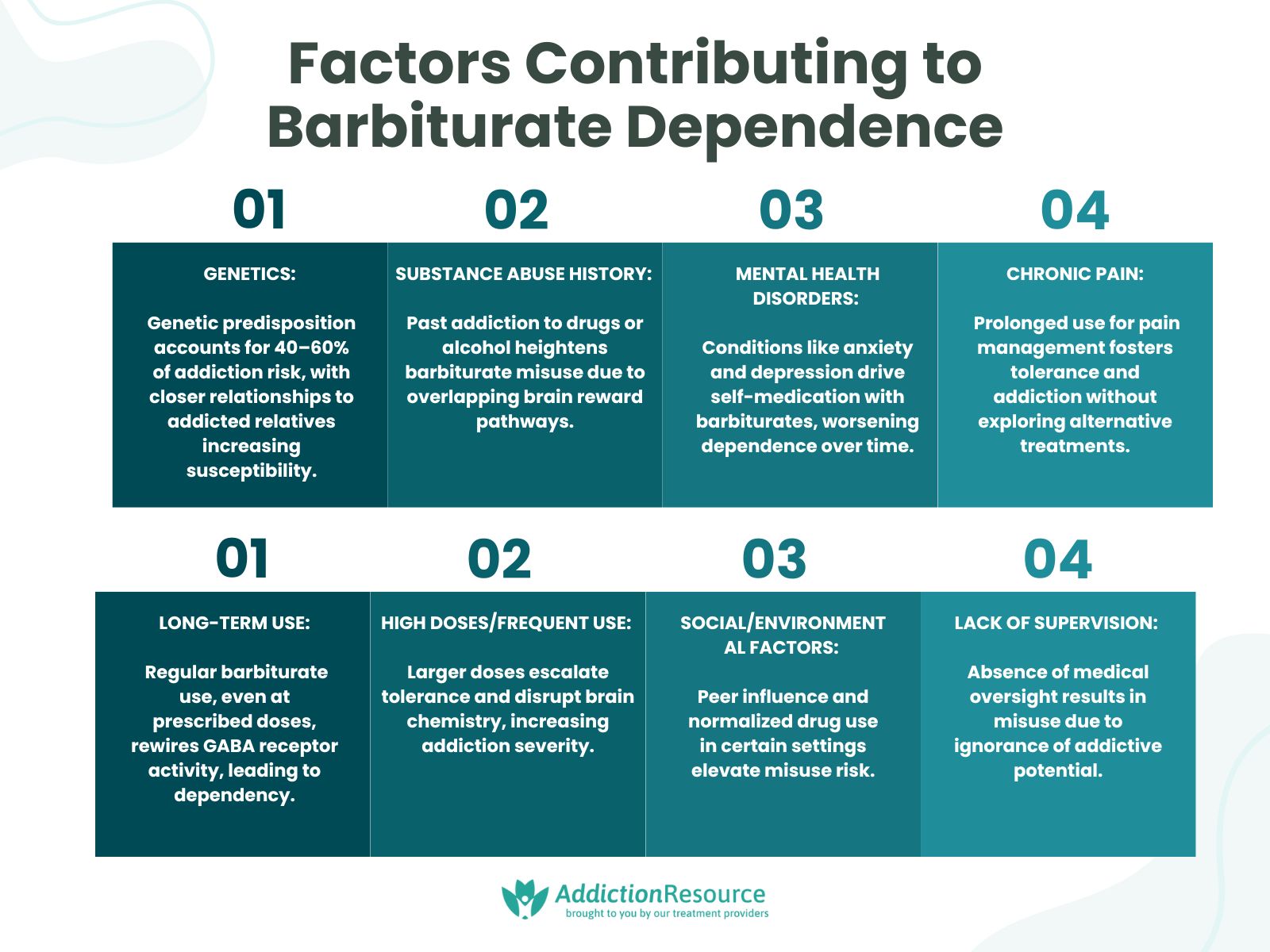
The causes and risk factors of barbiturate dependence are genetic predisposition, history of substance abuse, and mental health disorders. These factors, along with environmental influences and patterns of barbiturate use, significantly contribute to dependence.
The causes and risk factors of barbiturate dependence are listed below:
- Genetic Predisposition: Individuals with a family history of substance use disorders inherit a heightened vulnerability to barbiturate dependence. Genetic factors influence how the brain’s reward system reacts to drugs, potentially increasing addiction risk. Learn Genetics in a study titled “Addiction and Genetics” highlights specific genetic markers linked to addictive behaviors, though further research is ongoing to identify precise mechanisms. Genetics are estimated to account for 40–60% of a person’s risk of developing an addiction. The risk of addiction is proportional to the degree of genetic relationship to an addicted relative.
- History of Substance Abuse: Those with prior drug or alcohol dependencies are more likely to develop barbiturate dependence. This is due to the shared pathways in the brain’s reward and tolerance systems, which become conditioned to seeking sedatives for stress or euphoria. A study by Zamboni L et al. 2022, titled “Polysubstance Use Patterns Among High Dose Benzodiazepine Users: A Latent Class Analysis and Differences Between Male and Female Use,” indicates that polysubstance abusers have higher rates of barbiturate misuse.
- Mental Health Disorders (e.g., Anxiety, Depression): Barbiturates are used to self-medicate conditions like anxiety or depression. However, their sedative effects exacerbate these disorders over time, creating a vicious cycle of dependence. According to a study by Hackensack Meridian Health in “How Mental Health and Addiction Are Connected,” individuals with untreated mental health conditions are significantly more likely to misuse sedatives.
- Chronic Pain or Medical Conditions Requiring Sedatives: Patients with chronic illnesses or pain receive sedatives like barbiturates for symptom management. Prolonged use in these cases leads to tolerance and dependence, especially if alternative treatments are not explored.
- Long-Term Use of Barbiturates: Extended barbiturate usage, even at therapeutic doses, increases dependence risk due to the drug’s impact on the brain’s GABA receptors. Over time, the brain adapts to the drug’s presence, necessitating higher doses for the same effect and leading to addiction.
- High Doses or Frequent Use: Consuming large or frequent doses amplifies the risk of addiction. The rapid tolerance associated with barbiturates makes users more likely to escalate usage, further disrupting normal brain chemistry. A study by Hayes CJ et al. 2020, titled “Impact of opioid dose escalation on the Development of Substance Use Disorders, accidents, Self-inflicted Injuries, opioid overdoses and alcohol and non-opioid drug-related Overdoses: a Retrospective Cohort Study,” has found a strong correlation between dose escalation and dependence severity.
- Social or Environmental Factors (e.g., Peer Influence): Being in environments where drug use is normalized increases exposure and potential misuse. Peer pressure, social stressors, or inadequate coping mechanisms further push individuals toward dependence.
- Lack of Medical Supervision: Without proper oversight, individuals prescribed barbiturates misuse the medication, unaware of its addictive potential. Educating patients about the risks and ensuring consistent monitoring mitigate this factor.
- Stressful Life Events or Trauma: Significant stressors or unresolved trauma lead individuals to seek barbiturates as a coping mechanism. The temporary relief they provide creates a dependency, particularly if therapeutic support is absent. A study by Khoury L et al. 2010, titled “Substance Use, childhood traumatic experience, and Posttraumatic Stress Disorder in an urban civilian population,” shows trauma survivors have a higher likelihood of sedative abuse.
What are the Treatment Options for Barbiturate Dependence?

The treatment options for Barbiturate Dependence are medical detoxification, therapy, and long-term rehabilitation programs. These approaches aim to manage withdrawal symptoms, address underlying causes, and prevent relapse through structured care and ongoing support.
The treatment options for Barbiturate Dependence are as follows:
Medical Detoxification and Withdrawal Management
Medical detoxification involves supervised withdrawal under healthcare professionals, ensuring the safe tapering of barbiturates to minimize withdrawal risks. Barbiturate withdrawal causes severe symptoms like seizures, making medical oversight necessary. Detox takes 7–10 days, depending on the severity of dependence and health conditions. This phase stabilizes the patient for further treatment. However, it does not address the psychological aspects of addiction, requiring subsequent therapies. According to SAMHSA, 68% of people who complete drug and alcohol detox programs report their treatment to be successful.
Medications
In some cases, medications like phenobarbital are used for gradual tapering to reduce barbiturate withdrawal severity. Anticonvulsants or sedatives are also prescribed to manage seizures or anxiety during detox. These medications aim to normalize brain chemistry disrupted by long-term barbiturate use. While effective, this method has limitations, such as dependency on tapering drugs and risks of side effects, emphasizing the need for professional guidance. For managing barbiturate withdrawal, pentobarbital is used in acute stabilization at doses of 0.2–0.4 mg every 4 to 6 hours to manage severe withdrawal symptoms, as studied by Zarkowski, P. et al. 2018, titled “Barbiturate Withdrawal.”
Therapy and Counseling
Therapy and counseling, such as cognitive-behavioral therapy (CBT), help treat the psychological dependence on barbiturates. CBT helps patients identify triggers, develop healthier coping mechanisms, and restructure thought patterns that contribute to substance abuse. Group counseling or family therapy also strengthens recovery through shared experiences and support.
Research by Davasaz Irani R et al. 2022, titled “Comparing the Effectiveness of Cognitive-Behavioral Therapy and Brief Intervention on Relapse Prevention among Drug Users,” found that CBT significantly reduces relapse rates, particularly when combined with medication-assisted treatments. Verywell Mind highlights the efficacy of therapy in sustaining long-term abstinence, though it requires consistent participation over months or years. Cognitive behavioral therapy (CBT) is an effective treatment for addiction, with about 60% of people who receive it being able to maintain their recovery for a year.
Long-Term Rehabilitation Programs
Rehabilitation programs provide a structured environment for recovery, integrating medical care, therapy, and skill-building workshops. Inpatient programs last from 30 days to several months and offer intensive support and a drug-free setting. According to SAMHSA 2019, patients in long-term programs (lasting 30-90 days) demonstrate higher success rates than those receiving short-term treatment.
Outpatient options provide flexibility by allowing the patient to live in their homes, but they require strong commitment and external support systems. While effective for many, these programs are resource-intensive and require thorough planning. The study “Substance Abuse Intensive Outpatient Programs: Assessing the Evidence” found IOPs to have a 60% to 70% success rate.
According to a study by Pettinati HM, Meyers K et al. 1993, titled “Inpatient vs outpatient treatment for substance dependence revisited,” residential treatment is considered more effective for severe cases of addiction, providing the necessary support and comprehensive care for long-term recovery.
Support Groups
Support groups like Narcotics Anonymous (NA) provide ongoing community-based support for those recovering from barbiturate dependence. These groups foster accountability and connection through shared experiences and 12-step methodologies. Participating in support groups enhances resilience against relapse and provides long-term emotional benefits. Individuals who participate in support 12-step programs reduce their chance of relapse anywhere from 7% to 25%, according to a study by Tracy K Wallace SP. et al. 2016, titled “Benefits of peer support groups in the treatment of addiction.”
The open-ended nature of these groups makes them a lifelong resource for many individuals. Research by Tracy K et al. 2016, titled “Benefits of peer support groups in the treatment of addiction,” indicates that individuals participating in support groups are 20% less likely to relapse compared to those without peer support.
What is the Barbiturate Withdrawal Process Like?
The barbiturate withdrawal process is a complex and potentially dangerous experience that occurs when someone who has been using barbiturates ceases or significantly reduces their use. Withdrawal triggers intense symptoms such as cravings, restlessness, body pain, and insomnia, reflecting the brain and body’s dependence on the drug, as studied by Zarkowski P. et al. 2018, titled “Barbiturate Withdrawal.” These symptoms arise as the central nervous system, which has adapted to the drug’s depressant effects, struggles to regain balance.
The withdrawal process unfolds in stages. In the early stage (6–36 hours after the last dose), individuals experience anxiety, restlessness, nausea, and insomnia. The peak stage (2–5 days) is the most severe, marked by tremors, heightened irritability, intense cravings, hallucinations, and seizures, which are life-threatening without medical supervision. During the late stage (6 days and beyond), symptoms gradually decline, but psychological effects, such as mood swings and sleep disturbances, persist for weeks or even months. Proper medical care, including gradual tapering and supportive therapies, is necessary for safe and effective withdrawal.
How to Prevent Barbiturate Dependence?
To prevent barbiturate dependence, you should prioritize understanding the risks associated with these drugs and adhere strictly to prescribed guidelines. Awareness of the potential for tolerance and dependence is important, particularly for individuals prescribed barbiturates for sleep disorders or anxiety. Avoiding environments that encourage misuse, such as social settings where substance abuse is normalized, significantly reduces risk. Seeking alternatives, such as non-addictive medications or therapy for managing symptoms, is another effective measure.
Early intervention is necessary if misuse or signs of dependence begin to emerge. This includes openly communicating with healthcare providers about the need for adjustments in treatment or seeking help from support groups and counseling. Recognizing and addressing psychological factors, such as stress or underlying mental health disorders, further reduces the likelihood of dependence, offering a proactive approach to safeguarding against barbiturate misuse.
What are Barbiturates?
Barbiturates are a class of central nervous system (CNS) depressants that were historically used to treat conditions such as anxiety, insomnia, and seizures. They work by enhancing the activity of gamma-aminobutyric acid (GABA), a neurotransmitter that inhibits nerve activity in the brain, leading to sedation and relaxation.
Common types of barbiturates include phenobarbital, pentobarbital, and secobarbital, with street names like “barbs,” “downers,” and “yellow jackets.” Their high potential for abuse and dependence led to their replacement in many clinical settings by safer alternatives like benzodiazepines, which are comparatively less addictive, as their calming and euphoric effects lead to psychological and physical dependence.
The feeling or “trip” from barbiturates includes a sense of extreme relaxation, drowsiness, or mild euphoria, which makes them appealing for recreational use. However, misuse of barbiturates quickly leads to tolerance, dependence, and even life-threatening respiratory depression. These risks underscore the need for careful medical supervision and limited use of these substances.
How Common is Barbiturate Dependence?
Barbiturate dependence in the United States is relatively uncommon compared to the widespread use of other substances like opioids and stimulants. However, its impact is significant for those affected. Barbiturates were once widely prescribed but have seen a sharp decline in medical use due to the development of safer alternatives like benzodiazepines. As a result, dependence is now most commonly associated with misuse of older prescriptions or recreational use.
The prevalence of barbiturate use and dependence has significantly decreased since the 1970s due to the reduced prescription of these drugs in favor of safer alternatives like benzodiazepines. However, recent trends show a slight increase in barbiturate misuse over the last decade. According to the National Institute on Drug Abuse (NIDA), barbiturate abuse remains an issue, with the 2018 SAMHSA survey indicating that approximately 450,000 Americans aged 12 and older reported using barbiturates.
With early supportive care, overall in-hospital mortality rates from barbiturate poisoning are less than 0.5-2%, according to Medscape in “Barbiturate Toxicity.” Fatality associated with barbiturate overdose is rare, but complications are abundant.
This relatively rare yet severe dependence highlights the need for awareness and targeted interventions, particularly in high-risk groups such as individuals with histories of polysubstance abuse or those using barbiturates for long-term conditions.
Can You Become Addicted to Barbiturates?
Yes, barbiturates are highly addictive due to their effects on the central nervous system, producing sedation and euphoria that lead to dependence with prolonged use, according to WebM in “Barbiturate Abuse.” Addiction develops as tolerance increases, requiring higher doses to achieve the same effect, which further reinforces psychological and physical dependence.
What Are the Risks of Combining Alcohol with Barbiturates?
The risks of combining alcohol with barbiturates include severe respiratory depression, increased sedation, and a high risk of overdose. Both substances are central nervous system depressants, and their combined effects dangerously slow breathing and heart rate, potentially leading to coma or death. This occurs because both substances enhance the inhibitory effects of GABA, a neurotransmitter that suppresses brain activity, compounding their sedative effects. According to the National Institute on Alcohol Abuse and Alcoholism (NIAAA), simultaneous use significantly raises the likelihood of fatal overdose and long-term cognitive impairment.
Do Barbiturates Show Up on a Drug Test?
Yes, barbiturates are detected in drug tests, with detection windows varying by the type of test and individual factors such as metabolism, dosage, and frequency of use. In urine tests, barbiturates are detectable for up to 1 to 21 days after use, according to McLendon Clinical Laboratories. Blood tests identify them for approximately 1 to 2 days, depending on the drug’s half-life. Hair follicle tests offer a much longer detection period, up to 90 days, as the drug metabolites remain trapped in hair strands over time. These timelines reflect averages and vary based on specific circumstances.
Can You Overdose on Barbiturates?
Yes, it is possible to overdose on barbiturates, as they have a narrow therapeutic index. Overdose symptoms include extreme drowsiness, respiratory depression, hypotension, and potentially fatal coma. Overdose occurs when excessive dosages suppress important brain functions like breathing and heart rate. According to NIDA, barbiturate overdoses are a significant cause of drug-related fatalities when combined with alcohol or taken in high doses.
How Long Does It Take for Barbiturates to Take Effect?
It takes approximately 15-40 minutes for most barbiturates to take effect after oral administration, depending on the drug’s potency and the individual’s metabolism, according to Sutter Health. Short-acting barbiturates, such as pentobarbital, act within 15 minutes, while long-acting ones, like phenobarbital, take longer. Barbiturates’ effects are related to their rapid absorption into the bloodstream, reaching peak concentrations quickly to exert their sedative effects.
How Does Barbiturate Dependence Compare to Other Drug Addictions?
Barbiturate dependence is compared to other drug addictions by its unique impact on the central nervous system and the high risk of overdose, similar to opioids but distinct from drugs like cannabis or stimulants. Like opioids, barbiturates cause physical dependence through prolonged use, leading to severe withdrawal symptoms, including seizures. However, compared to cannabis, which is less likely to result in physical dependence, barbiturates carry a higher potential for life-threatening complications due to their depressive effect on the respiratory system.
Unlike stimulants, which increase activity and dopamine levels, barbiturates act as sedatives, impairing cognitive and motor functions more acutely. Both opioids and barbiturates show high addiction potential, but barbiturates are less commonly used today due to the availability of safer alternatives like benzodiazepines. The risk of addiction and dependency remains a concern for individuals using barbiturates for medical or recreational purposes.
Is There a Difference Between Barbiturate Dependence and Benzodiazepine Dependence?
Yes, there is a difference between barbiturate dependence and benzodiazepine dependence, though they share some similarities. Both barbiturates and benzodiazepines are central nervous system depressants, and both lead to physical dependence with prolonged use. However, barbiturates, which were once commonly prescribed for anxiety and sleep disorders, are now less frequently used due to their high risk of overdose and more dangerous withdrawal symptoms compared to benzodiazepines. Benzodiazepines, on the other hand, are preferred for their comparatively safer therapeutic profile.
The withdrawal from barbiturates is more severe and life-threatening, requiring medical detoxification, whereas benzodiazepine withdrawal, though also serious, is more manageable under medical supervision. Benzodiazepine dependence results in symptoms like anxiety, tremors, and seizures, while barbiturate dependence leads to more intense withdrawal effects such as delirium, cardiovascular instability, and respiratory failure in extreme cases.
Is There a Difference Between Barbiturate Dependence and Alcohol Dependence?
Yes, there is a difference between barbiturate dependence and alcohol dependence, though both are central nervous system depressants that lead to physical dependence and withdrawal symptoms. Barbiturate dependence, which results from long-term use of drugs like phenobarbital or pentobarbital, carries a higher risk of overdose and life-threatening withdrawal symptoms, such as respiratory depression and cardiovascular instability. This is due to the potent sedative effects and narrow therapeutic window of barbiturates.
Alcohol dependence, on the other hand, is more common. According to the 2023 National Survey on Drug Use and Health (NSDUH), 28.9 million people ages 12 and older (10.2% in this age group) had AUD in the past year. Alcohol dependence is associated with a range of physical and psychological symptoms, including anxiety, tremors, and cravings. While alcohol withdrawal is also severe and causes complications like seizures and delirium tremens, it tends to be less acutely dangerous compared to barbiturate withdrawal. The treatment for both conditions involves medical detoxification, but the specific management strategies for alcohol dependence are more established and widely available.
Are there alternative treatments for conditions traditionally treated with barbiturates?
Yes, there are alternative treatments for conditions traditionally treated with barbiturates. For example, benzodiazepines are commonly used as an alternative for anxiety, insomnia, and seizure disorders, offering a safer therapeutic window than barbiturates. Non-benzodiazepine sedative-hypnotics such as zolpidem (Ambien) are also used for sleep disorders. In addition, anticonvulsant medications, such as valproate or lamotrigine, are used for seizure control and epilepsy management. Cognitive-behavioral therapy (CBT) is another non-medication-based treatment for anxiety and insomnia. These alternatives are safer with a lower risk of dependence, especially in long-term use.
Is barbiturate dependence less common today than it was in the past?
Yes, barbiturate dependence is less common today than it was in the past. This is primarily due to the decline in barbiturate prescriptions starting in the 1970s, as safer alternatives like benzodiazepines were developed. Moreover, increased awareness of the risks of addiction and overdose associated with barbiturates led to stricter regulations. While barbiturates are still prescribed for specific conditions like epilepsy and anesthesia, their use has significantly decreased, and misuse has become much less prevalent.
What is the difference between barbiturate dependence and barbiturate addiction?
The difference between barbiturate dependence and barbiturate addiction is that dependence refers to the physiological adaptation of the body to the drug, which leads to withdrawal symptoms when the drug is reduced or stopped. Addiction whereas, involves compulsive use despite harmful consequences, accompanied by psychological cravings and a loss of control over use. While dependence occurs without addiction, addiction is characterized by both physical dependence and behavioral patterns that drive continued use despite the negative impact on the individual’s life. Practically, all people with an addiction are dependent, but not all those who are dependent have an addiction.
Are there certain medical conditions that increase the risk of barbiturate dependence?
Yes, certain medical conditions increase the risk of barbiturate dependence. People with chronic pain, anxiety disorders, or sleep disorders are more likely to be prescribed barbiturates, which lead to misuse or dependence over time. Mental health disorders, such as depression or bipolar disorder, are also linked to a higher risk of substance misuse, including barbiturates. Furthermore, individuals with a history of substance abuse or alcohol dependence are more prone to developing a dependency on barbiturates.
Hope Without Commitment
Find the best treatment options. Call our free and confidential helpline
Most private insurances accepted
Find Drug Rehabilitation Centers Near You Anywhere In the US
Addiction Resource team has compiled an extensive list of the top drug rehabilitation facilities around the country. Use our locator tool to find the best centers near you.

 FindTreatment.gov