

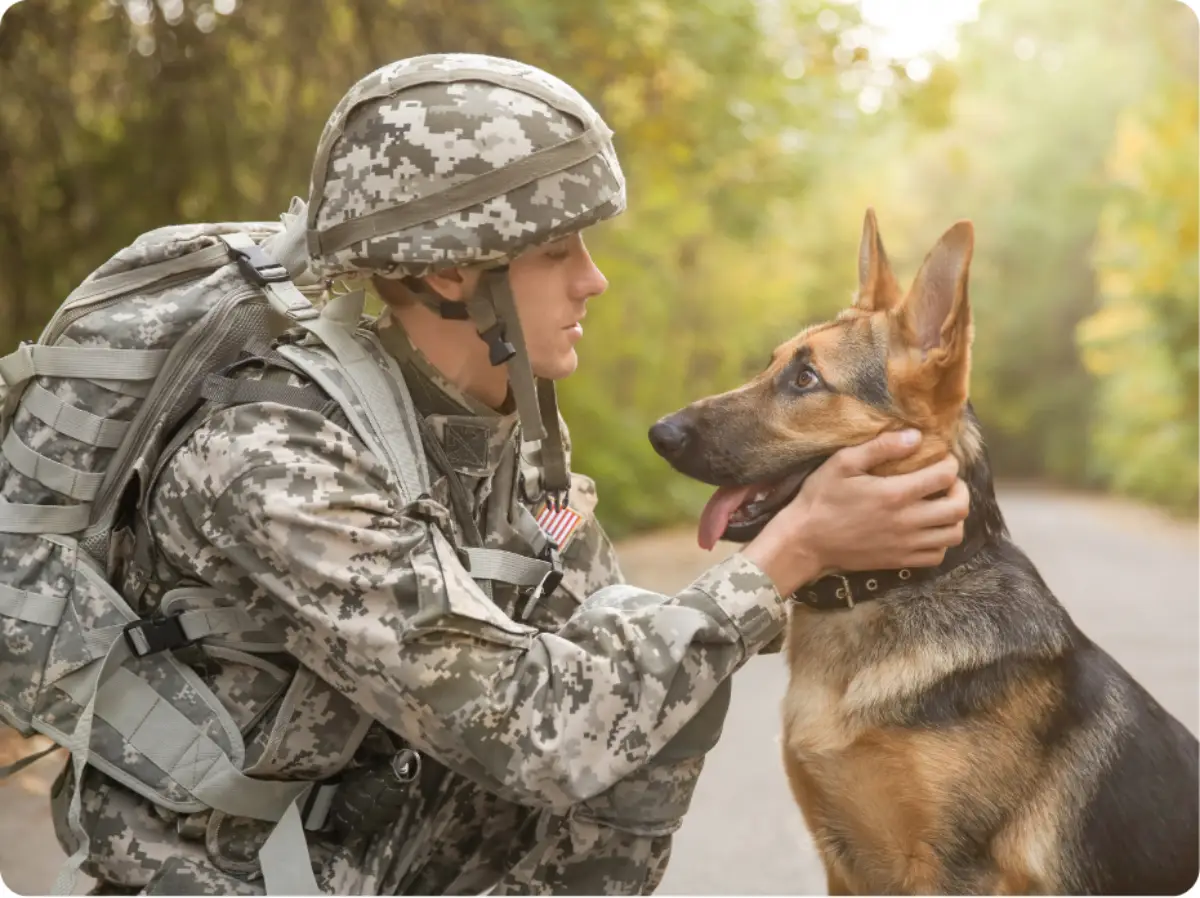
Rescue Mission: Veteran Support Groups

What Are Veteran Support Groups?

Veteran support groups are safe, structured communities where former service members can share experiences, access resources, and find strength through connection. These groups are often run by nonprofits, VA programs, or local organizations, and they focus on helping veterans transition to civilian life while addressing challenges like PTSD, substance use, grief, and isolation.

Support groups are not one-size-fits-all. Some are peer-led, where veterans support one another through shared understanding. Others are facilitated by mental health professionals who guide conversations, provide coping strategies, and connect members to additional care.

For many veterans, support groups become a lifeline. They create spaces where individuals donโ€™t have to explain the unexplainableโ€”because everyone in the room already understands. With over 18 million veterans in the U.S. today, these groups play a crucial role in ensuring that no one has to face post-service challenges alone.

Why Support Groups Matter for Veterans

Leaving military service can be both freeing and disorienting. Suddenly, the structure, camaraderie, and shared mission that defined daily life are gone. Thatโ€™s where veteran support groups make a difference.

They provide:

  • Connection: Loneliness is a serious risk for veterans. The National Academies of Sciences found that social isolation increases the risk of early death as much as smoking 15 cigarettes a day. Support groups combat that isolation by restoring a sense of belonging.
  • Understanding: Veterans often say, โ€œNo one gets it unless theyโ€™ve been there.โ€ Groups bridge that gap, offering a judgment-free space to talk about struggles.
  • Hope and Healing: From discussing trauma to celebrating milestones, support groups help veterans realize they are not defined by their struggles but strengthened by their resilience.

One veteran described his experience this way: โ€œFor the first time since I left the service, I felt like I was part of a unit again. That gave me the courage to keep moving forward.โ€

Types of Veteran Support Groups and How to Find Them

Not every group looks the sameโ€”and thatโ€™s a good thing. Different veterans need different kinds of support.

Common types include:

  • Peer-Led Groups: Informal gatherings where veterans talk openly about their experiences and challenges.
  • Therapeutic Groups: Led by licensed professionals, focusing on issues like PTSD, addiction recovery, or grief counseling.
  • Specialized Groups: Designed for women veterans, LGBTQ+ veterans, or those facing homelessness or chronic health challenges.
  • Community-Based Programs: Often tied to churches, rescue missions, or nonprofits, offering both emotional and practical support like job training and housing assistance.

Finding a group is easier than ever. The VA, Wounded Warrior Project, and local Rescue Missions maintain directories of available programs. Many groups now offer virtual meetings, making support accessible even to those in rural or remote areas.

As of 2024, nearly 45% of veterans reported using some form of peer support program, showing just how vital these networks have become in the recovery and reintegration process.

Recap, Key Takeaways, and Expert Thoughts

To recap:

  • Veteran support groups are essential spaces that provide connection, healing, and resources for life after service.
  • They help combat isolation, support mental health, and build resilience through shared experiences.
  • Options range from peer-led circles to specialized programs, ensuring every veteran can find a group that fits their needs.

Expert Takeaway: Healing doesnโ€™t happen in isolation. For veterans, the road to recovery often begins with reconnecting to a community that understands their unique journey. Support groups are one of the most effective tools to rebuild identity, purpose, and hope after military service.

Reviewerโ€™s Note: Having worked alongside veteran organizations, Iโ€™ve seen how powerful these groups can be. A simple conversation, a shared story, or even just sitting in the same room can remind veterans that they are not forgottenโ€”that their service still matters, and their future does too.

Recovery for Women: What has changed?

How Womenโ€™s Recovery Has Evolved

Recovery for women has changed dramatically over the past few decades. Once overlooked or forced into treatment programs designed primarily for men, women today have access to recovery paths that recognize their unique challenges, strengths, and needs.

Historically, addiction research and treatment were centered around men, leaving women underrepresented and underserved. Today, things look very different. More programs are designed to address issues that disproportionately affect women, such as co-occurring trauma, family responsibilities, stigma, and the need for gender-responsive care.

Modern womenโ€™s recovery programs often include trauma-informed therapy, childcare options, women-only support groups, and medical care tailored to female physiology. This shift not only improves treatment outcomes but also empowers women to heal in environments where they feel seen, safe, and understood.

For anyone asking โ€œwhatโ€™s changed?โ€โ€”the answer is simple: everything from the science to the support system now better reflects the reality of womenโ€™s lives.

Breaking Down the Biggest Shifts in Womenโ€™s Recovery

One of the most important changes has been the recognition that womenโ€™s addiction journeys are often tied to unique pressures and life experiences. Thatโ€™s why treatment is moving toward whole-person recovery models.

Some key changes include:

  • Trauma-Informed Care: Studies show that nearly 70% of women in treatment report a history of trauma. Programs now integrate therapies like EMDR, mindfulness, and safe spaces to address this head-on.
  • Family-Centered Support: Many women delay treatment because of childcare concerns. Today, some centers offer on-site childcare or family therapy to reduce barriers.
  • Women-Only Spaces: Gender-specific groups create environments where women can openly share experiences without fear of judgment.

โ€œRecovery for women isnโ€™t just about removing substancesโ€”itโ€™s about restoring dignity and rebuilding the parts of life addiction tried to erase.โ€

This change matters because it makes treatment more accessible, compassionate, and effective. Women no longer have to fit into a mold that wasnโ€™t made for them. Instead, recovery is meeting them where they are.

The Role of Community, Connection, and Advocacy

Another major shift is the growing visibility of womenโ€™s voices in recovery. Online communities, women-led organizations, and advocacy groups have opened doors to support that simply didnโ€™t exist before.

Hereโ€™s whatโ€™s shaping the future:

  • Peer Support: More women are finding healing through peer groupsโ€”whether in 12-step, non-12-step, or online recovery communities. Connection reduces isolation, one of the biggest relapse risks.
  • Changing the Narrative: Stigma around women and addiction has long been harsher than for men. Advocacy is helping dismantle this stigma, making it easier for women to seek help without shame.
  • Data-Driven Progress: Recent statistics show that gender-specific treatment can lead to higher engagement and retention rates compared to mixed-gender programs. That means more women are not only starting recovery but staying in it.

โ€œFinding a community of women who understood my story changed everything. I didnโ€™t just get soberโ€”I felt human again.โ€

These cultural and structural changes make recovery more sustainable and empowering for women everywhere.

Recap, Key Takeaways, and Expert Thoughts

In summary:

  • Womenโ€™s recovery has evolved from male-centered models to gender-responsive care.
  • Trauma-informed, family-friendly, and women-only spaces have become essential pillars of treatment.
  • Community support and advocacy are reshaping the way women view and access recovery.

Expert Takeaway: The shift isnโ€™t just about treatmentโ€”itโ€™s about creating systems that honor womenโ€™s lives, stories, and strengths. The focus is no longer on fitting women into recovery but on building recovery around women.

Reviewerโ€™s Note: Having seen this evolution firsthand, I can say the changes are profound. Women are finally receiving care that validates their experiences, addresses their realities, and champions their resilience. If youโ€™re a woman considering recovery, know this: the path ahead is more supportive, compassionate, and empowering than ever before.

Rehab for Couples: Recovering Together

Drug and Alcohol Rehab for Couples

Drug and alcohol rehab for couples is a specialized form of treatment that helps partners work on recovery side by side. Unlike traditional rehab programs, couples rehab addresses not only substance use disorders but also the relationship patterns that often fuel them.

These programs typically combine individual therapy, couples counseling, group support, and medical care to create a comprehensive path forward. The idea is simple but powerful: when both partners are struggling, recovery is often stronger when they face it together.

Couples rehab doesnโ€™t mean every session is jointโ€”each partner gets personal care, while also learning how to build healthier communication, set boundaries, and support one another. Itโ€™s about breaking cycles of addiction while strengthening the relationship foundation.

For many couples, this type of treatment offers hope that recovery can lead not just to sobriety but also to a healthier, more connected partnership.

Why Couples Choose to Recover Together

Addiction rarely affects one person in isolationโ€”it often ripples through relationships. For couples, this can mean cycles of codependency, conflict, or enabling behaviors. Rehab tailored to couples aims to untangle these patterns while also promoting healing.

Hereโ€™s why many couples seek treatment together:

  • Shared Accountability: Going through recovery at the same time can keep both partners motivated.
  • Repairing Trust: Counseling sessions provide space to rebuild honesty and strengthen bonds.
  • Breaking Unhealthy Cycles: Many couples find that addiction has shaped their relationship dynamic; rehab helps reset that balance.

A recent study published in the Journal of Substance Abuse Treatment found that couples who participated in joint therapy reported higher rates of relationship satisfaction and longer-lasting sobriety compared to those in individual-only programs. That statistic is hopefulโ€”it means recovery doesnโ€™t just heal the individual, it can heal the relationship.

โ€œWhen partners work on recovery together, they learn to support sobriety as a team. That shared commitment often makes the difference between relapse and resilience.โ€

What Couples Rehab Looks Like in Practice

If youโ€™re wondering what to expect, couples rehab isnโ€™t a one-size-fits-all experience. Programs may be residential or outpatient, depending on the severity of the addiction and the coupleโ€™s needs.

A typical approach might include:

  • Individual Treatment: Detox, personal therapy, and medical support.
  • Couples Therapy: Sessions that focus on communication, conflict resolution, and boundary setting.
  • Group Programs: Peer support where couples share their journey with others facing similar struggles.
  • Aftercare Planning: Tools and strategies for staying sober together once treatment ends.

Itโ€™s important to note that couples rehab is not about โ€œsaving the relationship at all costs.โ€ The main priority is always individual health and safety. Sometimes, treatment may reveal that the healthiest path forward is recovery apart. But for many, the process becomes a bridge to a stronger partnership.

Think of it like learning to dance again. At first, it feels awkward, you step on each otherโ€™s toesโ€”but with guidance and practice, you find a rhythm that works in harmony.

Recap, Key Takeaways, and Expert Thoughts

Hereโ€™s what matters most:

  • Couples rehab treats both addiction and relationship patterns at the same time.
  • Recovering together offers accountability, healing, and the chance to rebuild trust.
  • Treatment is tailoredโ€”combining individual care with joint support.
  • The ultimate goal is lasting sobriety and healthier connections, whether together or apart.

Expert Takeaway: Addiction recovery is challenging, but couples donโ€™t have to face it separately. With the right support, rehab can transform not only lives but also relationships.

Reviewerโ€™s Note: From my perspective, couples rehab shines because it acknowledges the truth: addiction impacts more than the individual. Healing as a unit can be deeply rewarding, but it requires courage, honesty, and willingness from both partners. If you and your partner are considering this path, know that youโ€™re not just fighting for sobrietyโ€”youโ€™re building a stronger, more resilient future together.

100% Free & Confidential
Who Answers?

Browse rehabs by state

Disclaimer

A treatment center will attempt to verify your health insurance benefits and/or necessary authorizations on your behalf. Please note, this is only a quote of benefits and/or authorization. We cannot guarantee payment or verification eligibility as conveyed by your health insurance provider will be accurate and complete. Payment of benefits are subject to all terms, conditions, limitations, and exclusions of the memberโ€™s contract at time of service. Your health insurance company will only pay for services that it determines to be โ€œreasonable and necessary.โ€ The treatment center will make every effort to have all services preauthorized by your health insurance company. If your health insurance company determines that a particular service is not reasonable and necessary, or that a particular service is not covered under your plan, your insurer will deny payment for that service and it will become your responsibility.


This will close in 0 seconds

By clicking โ€œSubmit,โ€ you certify that you have provided your legal name and phone number, agree to the terms and conditions and privacy policy, and authorise Paid Advertiser to contact you. You consent to receive SMS notifications and promotions from Paid Advertiser. Consent is not required for purchases. Opt-out by replying STOP. Message and data rates may apply. Frequency may vary. Click here to view our disclaimer.

This will close in 0 seconds

Your addiction does not have to define who you are.

You deserve excellent care and a rewarding life in recovery.