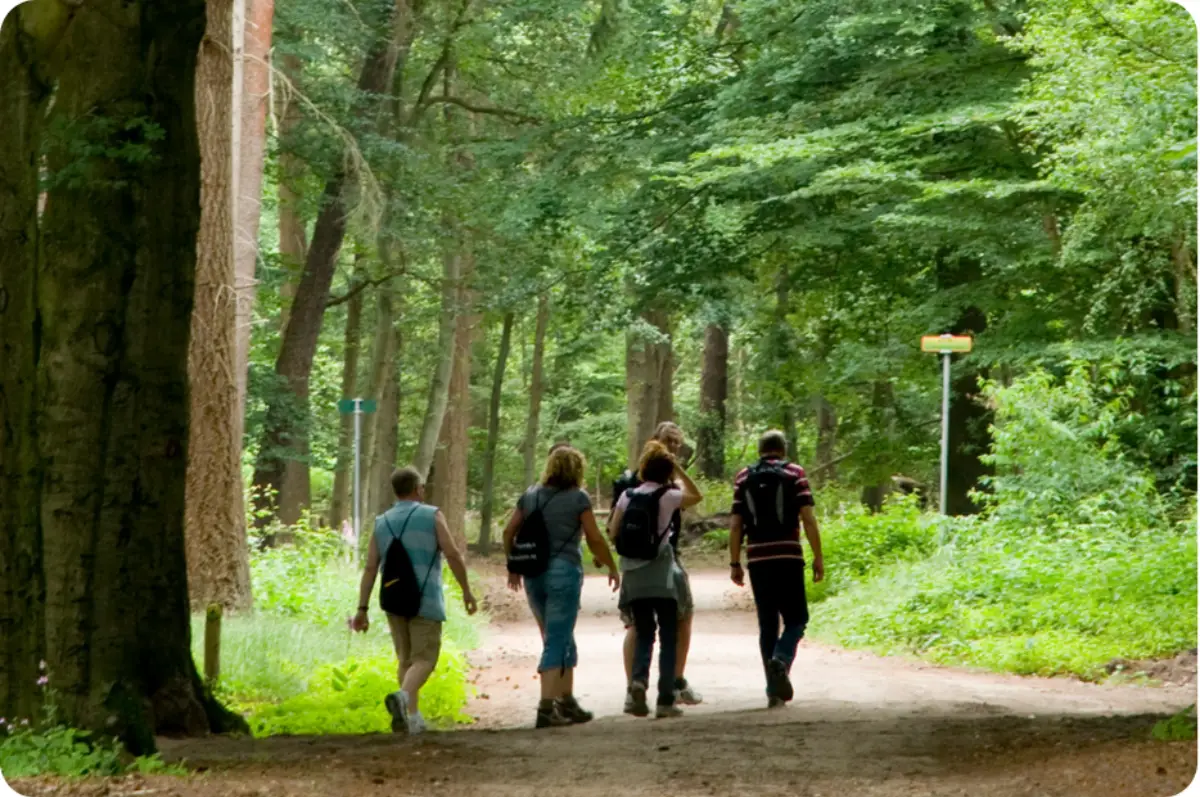


Urban vs. Rural Substance Abuse Programs

Understanding the Difference

When it comes to choosing a treatment program, one of the biggest decisions people face is whether to enter an urban substance abuse program or a rural one. Both offer pathways to recovery, but they differ in accessibility, resources, environment, and overall experience.

Urban Programs

Urban programs are typically located in larger cities and often provide more specialized services, greater access to medical professionals, and larger networks of support.

Rural Programs

Rural programs are usually found in smaller communities or natural settings, offering quieter surroundings, smaller groups, and a greater sense of privacy.

According to the Substance Abuse and Mental Health Services Administration (SAMHSA), location can play a significant role in treatment success. Factors like environment, access to care, and personal comfort can shape how well a person responds to recovery.

In short: urban programs offer variety and access, while rural programs often provide peace and focus.

Key Advantages of Urban Programs

Urban rehab programs can be especially effective for people who want comprehensive care. Advantages include:

  1. Access to Specialists – Cities attract top medical professionals and diverse therapeutic options.
  2. Cutting-Edge Treatment – Many urban centers are first to adopt innovative therapies and technologies.
  3. Strong Support Networks – More group meetings, peer support, and community programs are available.
  4. Convenience – Easy access via public transportation or nearby facilities.
  5. Diversity of Care – Urban rehabs may offer tailored programs for specific groups, like veterans or LGBTQ+ patients.

One clinician put it best: “Urban programs can feel like a safety net—there’s always a specialist nearby if you need extra support.”

Still, urban programs aren’t perfect. The fast-paced city environment may feel overwhelming for some, and higher costs can be a barrier.

Key Advantages of Rural Programs

Rural substance abuse programs are often chosen for their environment and intimacy. Advantages include:

  1. Peaceful Environment – Nature-based settings reduce stress and support mindfulness.
  2. Smaller Groups – More personalized attention and stronger bonds with staff and peers.
  3. Privacy – Being away from crowded urban areas can make recovery feel more discreet.
  4. Fewer Distractions – Less exposure to triggers and daily pressures.
  5. Holistic Healing – Many rural programs emphasize outdoor activities, meditation, or adventure therapy.

A recent study in the Journal of Substance Abuse Treatment found that patients in rural rehabs reported higher levels of calm and focus, though access to specialists was more limited.

As one graduate shared: “Being surrounded by mountains instead of traffic gave me the quiet I needed to finally listen to myself.”

The main challenge? Limited access to immediate medical specialists or emergency care, which may not suit every patient’s needs.

Recap, Key Takeaways, and Expert Thoughts

  • Urban programs: Best for those who need specialized care, convenience, and larger support networks.
  • Rural programs: Best for those seeking peace, privacy, and a focus on holistic healing.
  • Both can be effective—the “right” choice depends on personal preferences, medical needs, and lifestyle.

Expert Takeaway: Recovery isn’t about choosing the “better” option, but the one that fits your goals. If you thrive with variety and resources, urban programs may suit you. If you need quiet and focus, rural programs could be the reset you need.

Reviewer’s Note: Having seen patients succeed in both settings, I believe the deciding factor is comfort. When people feel safe in their environment—whether in a bustling city or a quiet countryside—they’re more likely to fully engage in the process of recovery. 

Top 5 Tropical Recovery Destinations in the U.S.

Why Choose a Tropical Recovery Destination?

Recovery doesn’t have to take place in cold, clinic-style meeting rooms with chairs arranged in a circle. Many people are now choosing tropical recovery destinations as the backdrop for their healing journey, places where palm trees, ocean air, and sunshine become part of the recovery process. Surrounded by natural beauty and warmth, these environments make it easier to relax, reflect, and rebuild. Whether it’s the tranquil beaches of Florida or the lush landscapes of Hawaii, tropical rehab centers offer a sense of peace that makes recovery feel both restorative and inspiring.

Research shows that spending time in natural, warm environments reduces stress, lowers anxiety, and improves mood—factors essential for addiction recovery. According to the American Psychological Association, exposure to nature can significantly decrease depression symptoms and enhance overall well-being.

Tropical settings also offer beauty and renewal, reminding patients that recovery is about rediscovering joy, peace, and a fresh start.

Top 5 Tropical Recovery Destinations in the U.S.

Choosing the right environment for addiction recovery can play a powerful role in the healing process. Warm weather, soothing natural beauty, and the restorative rhythm of island or coastal life can help reduce stress, nurture mindfulness, and support a deep sense of renewal. Here are five of the most inviting tropical destinations in the United States that combine peaceful surroundings with opportunities for meaningful transformation.

1. Florida Keys, Florida

Best for: Ocean-inspired healing and relaxed island living

The Florida Keys have always been popular among treatment-seekers looking for a relaxing recovery, with turquoise waters, swaying palms, and a slow-paced lifestyle that encourages deep contemplation and reflection. Many programs in this region integrate holistic, water-based therapies—such as paddleboard meditation, sunset yoga, or guided ocean swims—to help individuals reconnect with nature and themselves. The small-island atmosphere fosters a tight-knit, supportive community, making it easier to focus fully on healing away from big-city distractions.

2. Maui, Hawaii

Best for: Nature immersion and spiritual rejuvenation

Maui’s stunning landscapes—ranging from lush rainforests to volcanic peaks—create a deeply grounding space for detox and rehab. Programs often incorporate outdoor therapy, sunrise yoga on the beach, and mindfulness hikes through Haleakalā National Park. The island’s natural energy, rooted in Hawaiian traditions of balance and respect for the land, provides a unique opportunity to rediscover one’s purpose and connection to life. The sunshine seems to encourage treatment-seekers to embrace a healthier, more active rhythm of life.

3. Palm Beach, Florida

Best for: Luxury, privacy, and evidence-based treatment in a serene setting

Palm Beach combines world-class recovery centers with the sophistication of Florida’s Atlantic coast. This area is ideal for individuals seeking a balance between high-end comfort and clinical excellence. Clients often enjoy personalized care plans, spa amenities, and tranquil beachside spaces designed for meditation and reflection. With palm-lined streets, upscale dining, and ocean breezes, Palm Beach offers both rejuvenation and refined privacy—perfect for those who value discretion and self-care during recovery.

4. Kauai, Hawaii

Best for: Mindfulness, natural beauty, and deep inner reflection

Known as “The Garden Island,” Kauai is a lush paradise filled with tropical rainforests, waterfalls, and serene coastal trails. Recovery programs here often emphasize eco-therapy, meditation in nature, and spiritual renewal. The abundance of natural beauty encourages gratitude and presence, while the slower island pace nurtures stillness and self-awareness. Kauai’s secluded environment makes it ideal for those seeking peace, quiet, and a deeper connection to their recovery journey.

5. South Padre Island, Texas

Best for: Tranquility, community support, and coastal comfort

South Padre Island offers a Gulf Coast escape where warm breezes, sandy beaches, and friendly locals create a comforting, low-stress environment. It’s a lesser-known gem compared to Florida or Hawaii, offering both affordability and access to high-quality treatment programs. Many centers here focus on group connection, recreational therapy, and outdoor wellness activities such as beach volleyball or dolphin watching. The simplicity of island life makes it easier to reset, rebuild routines, and focus entirely on healing.

Choosing the Right Destination for Your Recovery

When selecting a recovery destination, consider factors like climate, access to nature, treatment style, amenities, and personal comfort level. Some may prefer the spiritual energy of Hawaii, while others might be drawn to Florida’s accessibility or Texas’s welcoming coastal charm. What matters most is finding a setting where you feel safe, supported, and inspired to grow—because the right environment can make all the difference in your path to lasting recovery.

What Makes Tropical Destinations Effective for Recovery?

  • Calm and Focus: Warm climates and natural beauty create a sense of calm, helping patients engage more deeply with therapy.
  • Outdoor Healing: Activities like swimming, hiking, or meditation outdoors improve physical health and mental clarity.
  • Positive Distraction: Tropical environments replace stressors with soothing surroundings, reducing relapse triggers.

According to a 2022 Journal of Environmental Psychology study, patients in natural recovery settings reported greater satisfaction and lower stress compared to urban programs.

Recap, Key Takeaways, and Expert Thoughts

  • Tropical recovery destinations combine professional treatment with healing natural environments.
  • Top U.S. spots include Florida Keys, Maui, Palm Beach, Kauai, and South Padre Island.
  • Tropical settings provide peace, outdoor healing, and motivation that support long-term recovery.

Expert Takeaway: Addiction recovery is as much about rebuilding hope as it is about clinical treatment. Tropical destinations remind people that life can be beautiful again, making them powerful settings for healing.

Reviewer’s Note: Having seen the difference environment makes, I believe tropical recovery destinations provide something special. They don’t just remove you from stress—they immerse you in peace. For many, that shift in setting is the first step toward lasting transformation. 

10 Reasons Why You Should Rehab in Nature

Why Nature-Based Rehab Works

Rehab in nature blends traditional treatment with the healing power of the outdoors. Unlike city-based or purely clinical programs, nature-based rehab leverages fresh air, calming scenery, and outdoor activities to reduce stress, improve mental clarity, and create an environment of peace.

Research shows that time in nature lowers anxiety, boosts mood, and improves overall health. For someone in recovery, this means fewer distractions, less stress, and a better chance to focus fully on healing. A 2023 study in Frontiers in Psychology found that spending regular time outdoors significantly reduces depression and anxiety—two of the strongest relapse triggers.

In short, rehab in nature isn’t just about changing location. It’s about creating the ideal conditions for transformation and long-term recovery.

10 Reasons Why Nature Is a Game-Changer in Recovery

Here are ten compelling reasons why choosing rehab in nature can be life-changing:

  1. Reduced Stress – Natural settings lower cortisol levels, easing both body and mind.
  2. Improved Sleep – Exposure to natural light helps regulate circadian rhythms.
  3. Boosted Mood – Sunlight and fresh air release endorphins, lifting overall well-being.
  4. Stronger Focus – Quiet environments reduce distractions, making therapy more effective.
  5. Healing for Trauma – Gentle exposure to calming landscapes supports trauma recovery.
  6. Physical Wellness – Hiking, yoga, and outdoor exercise restore health and energy.
  7. Mindfulness and Presence – Nature makes it easier to stay grounded in the moment.
  8. Social Connection – Group hikes or outdoor therapy strengthen bonds with peers.
  9. Hope and Perspective – Natural beauty encourages reflection and optimism.
  10. Lower Relapse Risk – Studies show nature-based therapy supports long-term recovery outcomes.

As one client reflected, “Every morning by the water reminded me there was more to life than my addiction—it gave me hope to keep going.”

How Nature-Based Rehab Works in Practice

Programs that integrate nature into recovery aren’t just about scenic views. They design treatment around outdoor healing. That might include:

  • Daily walks or hikes to reduce anxiety.
  • Meditation, yoga, or mindfulness outdoors.
  • Adventure therapy, like kayaking or climbing, to rebuild confidence.
  • Group sessions in natural spaces that encourage openness and trust.

The American Psychological Association highlights that contact with nature is linked to lower rumination and higher resilience. Recovery that includes these benefits helps patients build healthier lives in balance with their environment.

Key Takeaways and Expert Thoughts

  • Nature-based rehab provides a peaceful, restorative environment for healing.
  • The 10 reasons range from reduced stress and better sleep to stronger social bonds and long-term relapse prevention.
  • Treatment in natural settings combines evidence-based therapies with the proven benefits of the outdoors.

Expert Takeaway: Healing isn’t just about removing substances—it’s about creating conditions where people can thrive. Rehab in nature offers that balance, blending science with serenity.

Reviewer’s Note: After witnessing the impact of nature on recovery, I believe environment matters as much as treatment itself. Nature gives people space to breathe, reset, and rediscover themselves. If you’re considering rehab, this setting may be the fresh start you need.

EMDR Therapy: Healing Beyond Addiction

Eye Movement Desensitization and Reprocessing (EMDR) therapy is a powerful, evidence-based treatment originally developed to help people heal from trauma. Over time, it has also become a valuable tool in addiction recovery. Addiction and trauma are often deeply connected—many individuals turn to substances to cope with painful experiences. EMDR works by helping people process and release those unhealed wounds so they can move forward without being trapped by the past. 

During EMDR sessions, a therapist guides clients through recalling distressing memories while engaging in bilateral stimulation (like following a moving light or tapping). This process helps the brain reprocess traumatic memories, reducing their emotional charge and reshaping how they are stored. 

According to the EMDR International Association, EMDR has been shown to reduce trauma symptoms in as few as 6–12 sessions. In addiction treatment, this can be life-changing, as unresolved trauma is one of the strongest predictors of relapse. 


Why EMDR Is a Game-Changer for Addiction Recovery 

One of the most common questions people ask is: “Why use EMDR in addiction treatment?” The answer lies in how trauma fuels the cycle of substance use. 

  • Addressing Root Causes: Addiction often begins as a way to escape pain. EMDR helps people face those painful memories without being overwhelmed. 
  • Reducing Triggers: By reprocessing trauma, EMDR lowers the intensity of triggers that might otherwise lead to cravings. 
  • Strengthening Resilience: Healing past wounds allows individuals to focus on building healthier coping skills for the future. 

As one clinician explained, “If trauma is the fire beneath addiction, EMDR is one way to put out the flames instead of just treating the smoke.” 

The National Institute on Drug Abuse notes that people with PTSD are 2–4 times more likely to struggle with substance use disorders. Addressing trauma with EMDR doesn’t just help mental health—it supports long-term sobriety by tackling one of the biggest relapse risks head-on. 


What an EMDR Session Looks Like 

Starting a new type of therapy can feel intimidating, but EMDR is designed to be supportive and structured. Here’s what typically happens in a session: 

  1. History and Preparation – Your therapist helps you identify past experiences contributing to distress and explains how EMDR works. 
  2. Targeting Memories – Together, you choose which memories or themes to focus on. 
  3. Bilateral Stimulation – While recalling the memory, you follow a moving light, listen to alternating tones, or use gentle taps. 
  4. Reprocessing – Over time, the memory becomes less painful, and new, healthier beliefs about yourself take root. 

Many people describe EMDR as freeing. One client put it this way: “I didn’t forget what happened, but it stopped controlling me. For the first time, I felt like I could move on without reaching for a drink.” 

Research supports this experience. A 2022 study found that individuals in addiction recovery who received EMDR reported significant decreases in trauma symptoms and cravings compared to those receiving standard therapy alone. 


Recap, Key Takeaways, and Expert Thoughts 

To sum up: 

  • EMDR therapy helps people heal from trauma, a major driver of addiction. 
  • By reducing the emotional weight of painful memories, EMDR lowers relapse risk and supports long-term recovery. 
  • Sessions are structured, supportive, and focused on helping clients reprocess trauma in safe, manageable steps. 

Expert Takeaway: Addiction recovery isn’t just about putting substances down—it’s about healing the wounds that made substances feel necessary in the first place. EMDR gives people a path to recovery that addresses the “why” behind the addiction. 

Reviewer’s Note: Having watched patients transform through EMDR, I can say this with confidence: it’s not about erasing the past but reclaiming the future. When trauma loses its power, recovery becomes more than possible—it becomes sustainable. 

What is Medication-Assisted Treatment (MAT)?

Medication-Assisted Treatment (MAT)

Medication-Assisted Treatment (MAT) is an evidence-based approach that combines FDA-approved medications with counseling and behavioral therapies to treat substance use disorders. It is most commonly used for opioid and alcohol addictions, though research continues to expand its use in other areas.

The medications used in MAT—such as methadone, buprenorphine, and naltrexone—help reduce cravings, stabilize brain chemistry, and prevent relapse. But MAT isn’t just about medication. It’s a holistic approach that pairs medical treatment with therapy, support groups, and lifestyle changes to address the whole person, not just the addiction.

According to the Substance Abuse and Mental Health Services Administration (SAMHSA), MAT has been shown to improve survival rates, increase treatment retention, and reduce the risk of infectious diseases. In other words, MAT saves lives while helping people build sustainable recovery.

Why MAT Works – Breaking Stigma and Saving Lives

One of the most common questions people have is: “Isn’t MAT just replacing one drug with another?” The answer is a resounding no. MAT is about stability and healing, not substitution.

Here’s why it works:

  • Reduces Overdose Risk: Studies show that MAT can cut opioid-related deaths by up to 50%.
  • Supports Long-Term Recovery: With cravings under control, patients can focus on therapy, rebuilding relationships, and employment.
  • Backed by Science: Organizations like the CDC, WHO, and AMA all recognize MAT as the gold standard of care for opioid addiction.

A recovery counselor once explained it this way: “Medication gives people the space to heal. Without the constant battle against cravings, they can finally focus on recovery.”

Unfortunately, stigma sometimes prevents people from seeking MAT. But more and more, communities are recognizing that addiction is a medical condition, not a moral failing—and MAT is a proven treatment, not a crutch.

What to Expect from MAT – A Patient’s Perspective

Starting MAT can feel overwhelming, especially if you’re unsure what to expect. The good news? The process is designed to be safe, supportive, and tailored to your needs.

Here’s how it usually works:

  1. Assessment: A healthcare provider evaluates your history, health, and treatment goals.
  2. Medication Selection: You’ll begin on the appropriate medication—such as buprenorphine for cravings or naltrexone to block opioid effects.
  3. Therapy and Support: Counseling, group therapy, or family sessions are integrated into your plan.
  4. Monitoring and Adjustment: Providers regularly check progress, adjusting dosage and support as needed.

For many patients, the first noticeable change is relief from cravings. One individual described it as, “For the first time in years, I wasn’t thinking about using every second of the day. That gave me hope.”

MAT is not a “quick fix” or a “forever sentence.” For some, medication may be temporary; for others, long-term treatment provides the best stability. The goal is always the same: sustainable recovery and improved quality of life.

Recap, Key Takeaways, and Expert Thoughts

Here’s what to remember:

  • MAT combines FDA-approved medications with counseling and therapy to treat addiction.
  • It reduces cravings, lowers overdose risk, and increases long-term recovery success.
  • The process is individualized, compassionate, and proven by decades of research.

Expert Takeaway: Recovery doesn’t look the same for everyone. MAT offers a path that is both medically sound and deeply supportive, helping patients reclaim their lives with dignity.

Cognitive Behavioral Therapy (CBT) – Updated

Cognitive Behavioral Therapy (CBT)

Cognitive Behavioral Therapy (CBT) is one of the most widely used and effective forms of psychotherapy. At its core, CBT is based on the idea that our thoughts, feelings, and behaviors are connected—and by identifying and changing unhelpful thought patterns, we can change how we feel and act.

CBT is structured, goal-oriented, and often short-term, making it accessible for people with busy lives. It is commonly used to treat anxiety, depression, addiction, trauma, eating disorders, and stress management. Sessions typically involve identifying negative thought patterns, challenging them with evidence, and replacing them with healthier ways of thinking and behaving.

According to the American Psychological Association, CBT is backed by decades of research and has proven effective in reducing symptoms for a wide range of mental health conditions. A 2023 review found that 60–70% of individuals treated with CBT experienced significant improvement in symptoms.

Why People Choose CBT – The Benefits Explained

Many people wonder, “Why CBT instead of another type of therapy?” The answer lies in its practicality and results.

Benefits of CBT include:

  • Focused and Structured: Unlike open-ended therapy, CBT follows a clear plan with specific goals.
  • Skills for Life: Clients learn coping tools—like reframing negative thoughts or practicing relaxation—that they can use long after therapy ends.
  • Evidence-Based: Decades of studies consistently show CBT’s success in treating depression, anxiety, and addiction.

As one therapist explains, “CBT gives people the power to become their own therapist. The skills they practice in sessions become tools for everyday life.”

Patients often choose CBT because it’s relatable and empowering. Rather than digging endlessly into the past, it’s about asking, “What can I do today to feel better tomorrow?”

What to Expect in a CBT Session

If you’re new to therapy, the thought of starting can feel overwhelming. Here’s what a CBT session usually looks like:

  • 1) Check-In: Reviewing mood, symptoms, or challenges since the last session.
  • 2) Identify Thought Patterns: Recognizing “automatic thoughts” that may be unhelpful or distorted.
  • 3) Challenge and Reframe: Working with your therapist to examine evidence for and against those thoughts.
  • 4) Practice Skills: Learning techniques like journaling, role-playing, or breathing exercises.
  • 5) Homework: Practicing skills between sessions to reinforce progress.

A patient once described it this way: “CBT didn’t just help me in the therapy room—it helped me catch my thoughts at 2 a.m. when my anxiety was the loudest.”

CBT typically lasts 12–20 sessions, but it can be shorter or longer depending on the individual. The goal isn’t just temporary relief—it’s long-term change.

Recap, Key Takeaways, and Expert Thoughts

To summarize:

  • CBT is an evidence-based therapy that links thoughts, feelings, and behaviors.
  • It’s structured, practical, and teaches long-term coping skills.
  • Sessions focus on identifying and changing negative thought patterns through guided exercises.

Expert Takeaway: CBT works because it empowers people to understand and reshape their thinking. It doesn’t just reduce symptoms—it gives clients a roadmap for healthier living.

Reviewer’s Note: Having seen countless patients benefit from CBT, it’s clear that CBT is one of the most effective tools in modern therapy. The beauty of CBT is that it meets people where they are and gives them practical steps to move forward. If you’re considering therapy, CBT is a proven and empowering place to start.

AI for Recovery: How Medical Staff Use AI

What Role Does AI Play in Recovery?

Artificial intelligence (AI) is transforming healthcare, and recovery programs are no exception. In addiction treatment and behavioral health, AI helps medical staff provide faster, more personalized, and more effective care. From predicting relapse risks to streamlining patient assessments, AI is becoming a trusted partner in recovery—not a replacement for human compassion, but a tool that enhances it.

In practice, AI can:

  • Analyze health data to spot early warning signs.
  • Help medical teams adjust treatment plans in real time.
  • Support telehealth and remote monitoring for ongoing care.
  • Automate routine administrative tasks, giving staff more time with patients.

According to a 2024 HealthTech report, over 60% of U.S. healthcare providers now use some form of AI technology. In recovery settings, this means better outcomes and more consistent support for patients navigating one of life’s toughest challenges.

How AI Supports Medical Staff in Addiction Recovery

One of the most powerful uses of AI in recovery is its ability to process massive amounts of data quickly. For medical staff, that means insights they might not otherwise see.

Examples include:

  • Relapse Prediction Models: AI can identify behavior patterns—like missed appointments or changes in speech—that signal a higher relapse risk.
  • Medication Management: Tools help staff track how patients respond to prescriptions, adjusting dosages safely and effectively.
  • Smart Scheduling: AI systems reduce wait times and ensure patients get timely access to therapists, counselors, or group sessions.

A nurse practitioner working in recovery put it this way: “AI doesn’t replace the human connection, but it gives us the insight to make that connection stronger and more timely.”

Studies show that AI-assisted care has reduced hospital readmissions by up to 20% in behavioral health programs. That’s not just efficiency—it’s hope in action.

Making Recovery More Personal with AI

Recovery isn’t one-size-fits-all, and this is where AI shines. By tailoring recommendations to each patient, AI helps staff craft personalized treatment paths.

For example:

  • A patient struggling with anxiety alongside substance use may benefit from a different therapy mix than someone focused primarily on relapse prevention. AI helps medical staff spot these nuances.
  • Wearable devices that track sleep, heart rate, and stress levels can send alerts to staff if a patient’s health metrics suggest increased risk.
  • Chatbots and mobile apps provide 24/7 check-ins, ensuring patients always feel supported—even outside clinic walls.

A 2023 survey from Deloitte found that 72% of patients are open to AI tools in their care if it improves communication and outcomes. For recovery, this shows people are not only ready for AI—they welcome it when it’s used thoughtfully and compassionately.

Think of AI as the “extra set of eyes and ears” that medical teams use to ensure no detail is missed, while still keeping the focus on healing relationships and human care.

Recap, Key Takeaways, and Expert Thoughts

In summary:

  • AI is helping medical staff in recovery programs by analyzing data, predicting risks, and improving efficiency.
  • It enhances—not replaces—the human connection between patients and providers.
  • Personalized care, better monitoring, and smarter systems mean stronger outcomes for patients.

Expert Takeaway: The future of recovery care isn’t about choosing between people and technology—it’s about letting each do what they do best. AI handles the patterns, predictions, and paperwork; medical staff bring the empathy, trust, and healing touch.

Reviewer’s Note: Having seen AI tools in action, the technology is powerful, but its real magic lies in how it frees up staff to focus on what matters most—the patient in front of them. In recovery, where every story is unique and every step forward counts, AI is proving to be an ally worth embracing.

A Day in the Life of a Behavioral Psychologist

What Does a Behavioral Psychologist Do?

A behavioral psychologist is a professional who studies and applies principles of human behavior to help people overcome challenges, build healthier habits, and improve their quality of life. Their work often focuses on how thoughts, feelings, and environments influence actions.

A typical day involves meeting with clients, conducting assessments, creating treatment plans, and using evidence-based therapies like Cognitive Behavioral Therapy (CBT) or Applied Behavior Analysis (ABA). They may also collaborate with doctors, teachers, or families to ensure progress continues outside the therapy room.

Behavioral psychologists work in many settings—hospitals, schools, rehab centers, private practices, and research institutions. Whether they’re helping someone manage anxiety, supporting a child with autism, or guiding patients through addiction recovery, their goal is clear: to turn small behavioral changes into lasting life improvements.

The Morning – Assessments, Planning, and Early Sessions

The day often begins with assessments or planning. Behavioral psychologists review case notes, track progress from previous sessions, and design strategies tailored to each client’s needs.

Morning sessions may involve helping individuals identify patterns in their behavior and offering tools to change them. For example, one client might practice techniques to reduce social anxiety, while another works on coping skills for stress management.

According to the American Psychological Association (APA), CBT—one of the most common tools used—has been shown to reduce symptoms of depression and anxiety in 60–70% of patients. That effectiveness is why many mornings are devoted to structured therapy that focuses on achievable, measurable goals.

As one psychologist described: “It’s like being a coach for the mind. We break down big challenges into smaller, doable steps.”

The Afternoon – Collaboration and Specialized Work

Afternoons often shift toward collaboration. A behavioral psychologist might meet with parents of a child in therapy, join a care team meeting at a hospital, or consult with educators about strategies to support a student.

They may also conduct specialized therapy sessions. For example:

  • Addiction treatment: Helping clients recognize triggers and develop healthier coping mechanisms.
  • Health psychology: Supporting patients making lifestyle changes for chronic conditions like diabetes.
  • Trauma recovery: Guiding individuals through techniques to manage intrusive thoughts or flashbacks.

Beyond direct therapy, many psychologists spend time documenting progress, updating treatment plans, and reviewing research. This balance of people-focused and paperwork-focused work keeps treatment grounded in both science and compassion.

Recent surveys show that over 40% of behavioral psychologists split their time between clinical care and collaboration with other professionals, reflecting how integrated their role has become in modern healthcare.

Recap, Key Takeaways, and Expert Thoughts

In summary:

  • Behavioral psychologists focus on understanding and changing patterns of human behavior.
  • Their day often includes client sessions, assessments, collaboration, and research-based planning.
  • They work across diverse fields, from anxiety treatment to education and rehabilitation.

Expert Takeaway: The heart of a behavioral psychologist’s work lies in the belief that change is possible. By combining science with empathy, they help people move from feeling stuck to finding strategies that actually work in everyday life.

Reviewer’s Note: Behind every “day in the life” is a simple truth: behavioral psychologists dedicate themselves to helping people live fuller, healthier lives. Their schedules may be packed with assessments, sessions, and collaboration, but the real measure of their work is in the small victories—when a client smiles and says, “I handled it differently this time.” That’s where change begins.

What Does a Traumatology Therapist do?

Understanding Traumatology Therapy

A traumatology therapist is a mental health professional who specializes in helping people process, heal from, and move beyond trauma. Trauma can stem from many experiences—abuse, violence, combat, natural disasters, or long-term stress. Traumatology therapists use evidence-based approaches to treat the physical, emotional, and psychological effects of trauma.

Their role often includes:

  • Assessing how trauma has impacted a person’s mental and physical health.
  • Teaching coping strategies to reduce symptoms of PTSD, anxiety, or depression.
  • Guiding clients through therapies like EMDR (Eye Movement Desensitization and Reprocessing), cognitive-behavioral therapy, or somatic techniques.
  • Helping individuals rebuild a sense of safety, trust, and resilience.

In short, a traumatology therapist doesn’t just treat symptoms—they help people reclaim their lives after difficult experiences.

When Should Someone See a Traumatology Therapist?

It’s common to wonder, “Do I need trauma therapy, or will time heal this?” The truth is, while some people recover naturally, others find trauma lingers—affecting relationships, work, sleep, or health. That’s where a traumatology therapist can help.

You might benefit from trauma-focused therapy if you:

  • Struggle with flashbacks, nightmares, or intrusive memories.
  • Avoid people, places, or situations that remind you of the trauma.
  • Feel on edge, anxious, or disconnected from yourself or others.
  • Experience physical symptoms like insomnia, fatigue, or chronic pain linked to stress.

According to the National Center for PTSD, about 6% of the U.S. population will experience PTSD at some point, and women are twice as likely as men to develop it. Trauma doesn’t just fade with time—it needs care.

As one therapist shared: “Trauma rewires the brain for survival. Therapy helps gently rewire it back for living.” Seeking help isn’t weakness—it’s strength, and it’s often the first step toward healing.

How Do Traumatology Therapists Help Clients Heal?

The work of a traumatology therapist is both scientific and deeply human. Treatment is tailored to the individual, but here are some common approaches:

  • Evidence-Based Therapies: Tools like EMDR and trauma-focused CBT reduce the brain’s distress response and help people reframe painful experiences.
  • Somatic Practices: Techniques that connect body and mind—like breathwork, grounding, or movement—help release stored trauma.
  • Strength-Building: Therapists teach skills like mindfulness, journaling, and healthy boundaries to promote long-term resilience.
  • Safe Connection: Above all, they provide a space where clients feel heard and understood, sometimes for the first time.

A growing body of research shows that trauma therapy works. The Journal of Traumatic Stress found that 70–90% of people experience significant symptom reduction after structured trauma treatment.

One client’s words capture it best: “Therapy didn’t erase what happened, but it gave me the tools to stop reliving it. Now, I can finally breathe again.”

Recap, Key Takeaways, and Expert Thoughts

Here’s what to remember:

  • A traumatology therapist specializes in helping people heal from the lasting effects of trauma.
  • They treat symptoms like PTSD, anxiety, depression, and disconnection through evidence-based, compassionate care.
  • Therapy isn’t just about surviving—it’s about learning to thrive again.

Expert Takeaway: Trauma can feel like it has stolen your sense of safety and peace, but recovery is possible. Working with a trained traumatology therapist helps you process painful experiences and rebuild resilience for the future.

Reviewer’s Note: Trauma doesn’t define you. With the right guidance, healing is not only possible—it’s probable. A traumatology therapist walks beside you through the hardest parts, offering tools, compassion, and a steady hand until you find your way forward.

Rescue Mission: Veteran Support Groups

What Are Veteran Support Groups?

Veteran support groups are safe, structured communities where former service members can share experiences, access resources, and find strength through connection. These groups are often run by nonprofits, VA programs, or local organizations, and they focus on helping veterans transition to civilian life while addressing challenges like PTSD, substance use, grief, and isolation.

Support groups are not one-size-fits-all. Some are peer-led, where veterans support one another through shared understanding. Others are facilitated by mental health professionals who guide conversations, provide coping strategies, and connect members to additional care.

For many veterans, support groups become a lifeline. They create spaces where individuals don’t have to explain the unexplainable—because everyone in the room already understands. With over 18 million veterans in the U.S. today, these groups play a crucial role in ensuring that no one has to face post-service challenges alone.

Why Support Groups Matter for Veterans

Leaving military service can be both freeing and disorienting. Suddenly, the structure, camaraderie, and shared mission that defined daily life are gone. That’s where veteran support groups make a difference.

They provide:

  • Connection: Loneliness is a serious risk for veterans. The National Academies of Sciences found that social isolation increases the risk of early death as much as smoking 15 cigarettes a day. Support groups combat that isolation by restoring a sense of belonging.
  • Understanding: Veterans often say, “No one gets it unless they’ve been there.” Groups bridge that gap, offering a judgment-free space to talk about struggles.
  • Hope and Healing: From discussing trauma to celebrating milestones, support groups help veterans realize they are not defined by their struggles but strengthened by their resilience.

One veteran described his experience this way: “For the first time since I left the service, I felt like I was part of a unit again. That gave me the courage to keep moving forward.”

Types of Veteran Support Groups and How to Find Them

Not every group looks the same—and that’s a good thing. Different veterans need different kinds of support.

Common types include:

  • Peer-Led Groups: Informal gatherings where veterans talk openly about their experiences and challenges.
  • Therapeutic Groups: Led by licensed professionals, focusing on issues like PTSD, addiction recovery, or grief counseling.
  • Specialized Groups: Designed for women veterans, LGBTQ+ veterans, or those facing homelessness or chronic health challenges.
  • Community-Based Programs: Often tied to churches, rescue missions, or nonprofits, offering both emotional and practical support like job training and housing assistance.

Finding a group is easier than ever. The VA, Wounded Warrior Project, and local Rescue Missions maintain directories of available programs. Many groups now offer virtual meetings, making support accessible even to those in rural or remote areas.

As of 2024, nearly 45% of veterans reported using some form of peer support program, showing just how vital these networks have become in the recovery and reintegration process.

Recap, Key Takeaways, and Expert Thoughts

To recap:

  • Veteran support groups are essential spaces that provide connection, healing, and resources for life after service.
  • They help combat isolation, support mental health, and build resilience through shared experiences.
  • Options range from peer-led circles to specialized programs, ensuring every veteran can find a group that fits their needs.

Expert Takeaway: Healing doesn’t happen in isolation. For veterans, the road to recovery often begins with reconnecting to a community that understands their unique journey. Support groups are one of the most effective tools to rebuild identity, purpose, and hope after military service.

Reviewer’s Note: Having worked alongside veteran organizations, I’ve seen how powerful these groups can be. A simple conversation, a shared story, or even just sitting in the same room can remind veterans that they are not forgotten—that their service still matters, and their future does too.

100% Free & Confidential
Who Answers?

Browse rehabs by state