



What Are Veteran Support Groups?
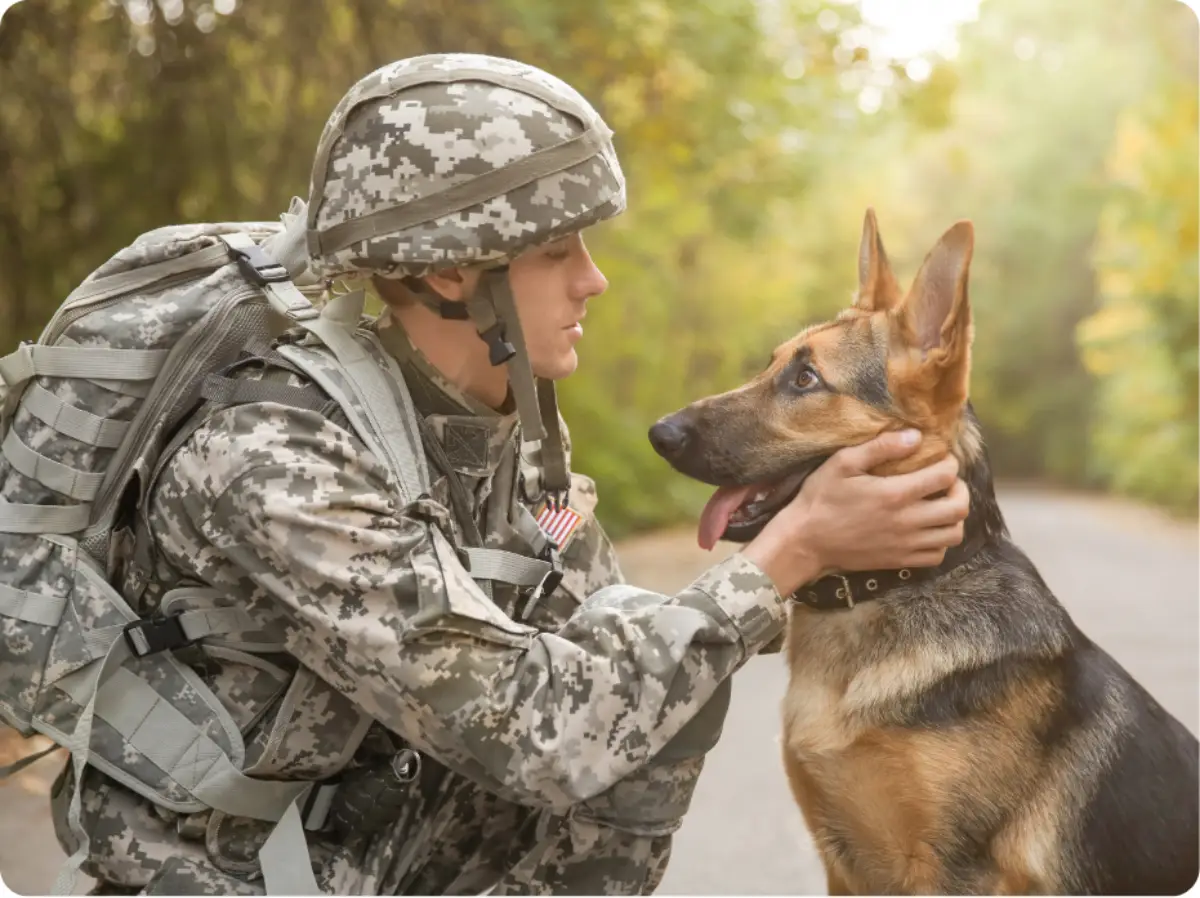
Veteran support groups are safe, structured communities where former service members can share experiences, access resources, and find strength through connection. These groups are often run by nonprofits, VA programs, or local organizations, and they focus on helping veterans transition to civilian life while addressing challenges like PTSD, substance use, grief, and isolation.
Support groups are not one-size-fits-all. Some are peer-led, where veterans support one another through shared understanding. Others are facilitated by mental health professionals who guide conversations, provide coping strategies, and connect members to additional care.
For many veterans, support groups become a lifeline. They create spaces where individuals don’t have to explain the unexplainable—because everyone in the room already understands. With over 18 million veterans in the U.S. today, these groups play a crucial role in ensuring that no one has to face post-service challenges alone.
Why Support Groups Matter for Veterans
Leaving military service can be both freeing and disorienting. Suddenly, the structure, camaraderie, and shared mission that defined daily life are gone. That’s where veteran support groups make a difference.
They provide:
- Connection: Loneliness is a serious risk for veterans. The National Academies of Sciences found that social isolation increases the risk of early death as much as smoking 15 cigarettes a day. Support groups combat that isolation by restoring a sense of belonging.
- Understanding: Veterans often say, “No one gets it unless they’ve been there.” Groups bridge that gap, offering a judgment-free space to talk about struggles.
- Hope and Healing: From discussing trauma to celebrating milestones, support groups help veterans realize they are not defined by their struggles but strengthened by their resilience.
One veteran described his experience this way: “For the first time since I left the service, I felt like I was part of a unit again. That gave me the courage to keep moving forward.”
Types of Veteran Support Groups and How to Find Them
Not every group looks the same—and that’s a good thing. Different veterans need different kinds of support.
Common types include:
- Peer-Led Groups: Informal gatherings where veterans talk openly about their experiences and challenges.
- Therapeutic Groups: Led by licensed professionals, focusing on issues like PTSD, addiction recovery, or grief counseling.
- Specialized Groups: Designed for women veterans, LGBTQ+ veterans, or those facing homelessness or chronic health challenges.
- Community-Based Programs: Often tied to churches, rescue missions, or nonprofits, offering both emotional and practical support like job training and housing assistance.
Finding a group is easier than ever. The VA, Wounded Warrior Project, and local Rescue Missions maintain directories of available programs. Many groups now offer virtual meetings, making support accessible even to those in rural or remote areas.
As of 2024, nearly 45% of veterans reported using some form of peer support program, showing just how vital these networks have become in the recovery and reintegration process.
Recap, Key Takeaways, and Expert Thoughts
To recap:
- Veteran support groups are essential spaces that provide connection, healing, and resources for life after service.
- They help combat isolation, support mental health, and build resilience through shared experiences.
- Options range from peer-led circles to specialized programs, ensuring every veteran can find a group that fits their needs.
Expert Takeaway: Healing doesn’t happen in isolation. For veterans, the road to recovery often begins with reconnecting to a community that understands their unique journey. Support groups are one of the most effective tools to rebuild identity, purpose, and hope after military service.
Reviewer’s Note: Having worked alongside veteran organizations, I’ve seen how powerful these groups can be. A simple conversation, a shared story, or even just sitting in the same room can remind veterans that they are not forgotten—that their service still matters, and their future does too.


Published on:
Updated on: