
Recovery House – Serenity House – Wallingford, Vermont
98 Church Street, Wallingford, Vermont, 05773
Last Updated: November 23, 2026
Insurance
Payment Options
- Aetna
- Blue Cross and Blue Shield Association
- Cigna
- Humana
- Magellan Health
- UnitedHealth Group
- Cash or self-payment
- Medicaid
- State-financed health insurance plan other than Medicaid
- Private health insurance
- Federal, or any government funding for substance use treatment programs
- Sliding fee scale (fee is based on income and other factors)
- SAMHSA funding/block grants
Addiction Resource Score
Scoring is assigned by a proprietary system which helps surface key metrics that determine quality. The 10-point scale factors in categories such as operations, customer satisfaction, and trust metrics.
We understand that choosing an addiction treatment center can be overwhelming, especially with so many options, promises, and marketing messages. That's why we've developed a clear, standardized rating system designed to cut through the noise and highlight what truly matters: safety, quality of care, and transparency. Our goal is to give individuals and families the information they need to make confident, informed decisions during a critical time.
In this guide, we explain exactly how we rate treatment centers—from accreditation and staff credentials to therapy options, facility environment, and family involvement. You'll see how we assign scores, award badges, and update listings to ensure accuracy and fairness. Most importantly, our system focuses on elevating centers that prioritize ethical, evidence-based care, not just those with the best marketing. This way, you can trust that the ratings you see reflect meaningful standards that help you find the right fit for lasting recovery.
8.8
Out of 10
Facility Overview
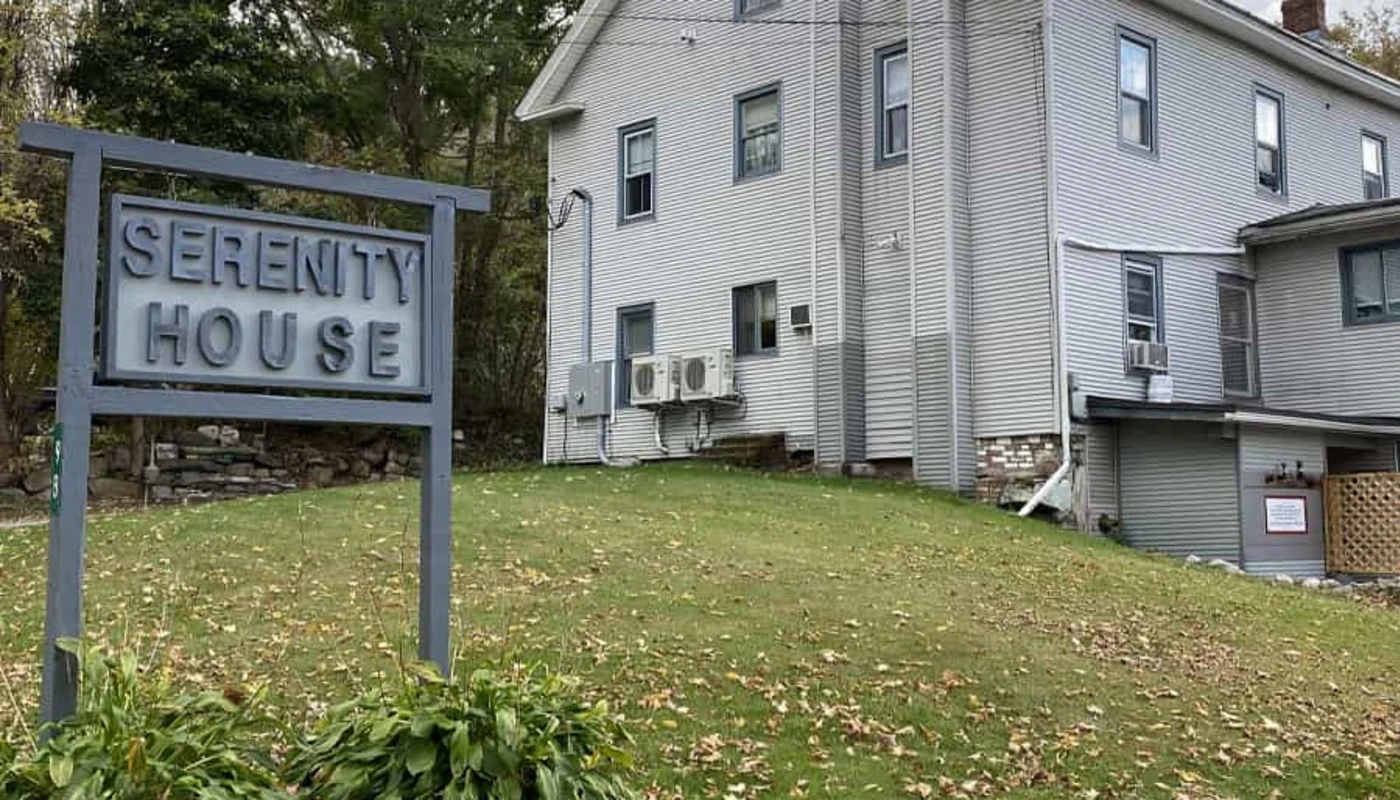
Recovery House – Serenity House is a nonprofit residential substance use disorder treatment facility located at 98 Church Street in Wallingford, Vermont. Operated by Recovery House, Inc., the program provides withdrawal management and residential addiction treatment for adults experiencing alcohol or drug use disorders. The facility serves men and women in a structured residential environment in Rutland County, near Vermont’s Green Mountains.
Serenity House provides both detoxification and ongoing residential treatment. Its services are designed to help individuals manage substance withdrawal, address addiction-related behaviors, develop recovery skills, and prepare for continued care after leaving the facility. Treatment is individualized according to each person’s substance use history, medical needs, recovery goals, and available community support.
Recovery House identifies Serenity House as its primary residential detoxification and treatment location. The program uses medically monitored withdrawal protocols, including medications when clinically appropriate. Its official website specifically identifies alcohol and opioid withdrawal management, with buprenorphine, Librium, and other comfort medications used under established treatment protocols.
Published program information describes around-the-clock nursing care and access to an on-call physician. Medical supervision supports the safe management of withdrawal symptoms and helps determine whether a patient can continue into residential rehabilitation or requires a different level of medical care.
Serenity House provides counseling through licensed and certified substance use disorder professionals. Each patient receives an assessment and an individualized treatment plan. Clinical services include individual counseling, group counseling, motivational interviewing, cognitive behavioral techniques, care coordination, and community recovery support groups.
The residential program also incorporates educational groups, self-help activities, family involvement, and aftercare planning. These services help patients understand substance use patterns, strengthen coping skills, identify relapse triggers, and establish practical strategies for maintaining recovery outside a residential setting.
Serenity House has historically been described as a 24-bed residential treatment program. A Vermont Department of Health presentation in 2025 identified 31 beds at the Wallingford facility. Because published capacity figures differ, prospective patients should contact the admissions team for current licensed capacity and bed availability.
Recovery House operates additional programs, including Grace House and McGee House in Rutland. These facilities provide lower-intensity residential treatment for individuals who need continued support outside a more intensive 24-hour treatment environment. Their services and accommodations should not be confused with those offered at Serenity House.
The organization also operates a Public Inebriate Program serving Rutland and Addison counties. This program provides a safe setting for certain individuals encountered by law enforcement while intoxicated and is distinct from Serenity House’s residential rehabilitation services.
Serenity House’s treatment philosophy emphasizes addiction as a treatable chronic condition. Its approach combines evidence-based counseling, individualized recovery planning, peer support, and connections with community resources to help patients establish and maintain a substance-free lifestyle.
The facility is located at 98 Church Street, Wallingford, VT 05773. Patients and referral sources can contact Serenity House at 802-446-2640 or email info@recoveryhousevt.org for admissions and treatment information.
Who This Facility Is For
Recovery House – Serenity House serves adults who need residential treatment for alcohol or drug addiction, including individuals who require medically monitored withdrawal management before participating in rehabilitation. The program may be appropriate for people who need a structured setting, clinical supervision, addiction counseling, and assistance developing a continuing recovery plan.
The facility also supports individuals facing barriers to recovery, such as limited financial resources, unstable housing, difficulty maintaining sobriety, or insufficient community support. Its individualized approach helps patients address substance use while preparing for a transition into ongoing treatment or recovery-oriented living arrangements.
- Alcohol use disorder
- Opioid use disorder
- Prescription opioid misuse
- Heroin dependence
- Other drug use disorders
- Polysubstance use
- Alcohol withdrawal
- Opioid withdrawal
- Benzodiazepine withdrawal
- Stimulant-related substance use
- Cocaine-related substance use
- Methamphetamine-related substance use
- Substance use relapse
- Recovery skills development
- Craving management
- Behavioral health concerns
- Family relationship difficulties
- Limited recovery support
- Housing-related recovery barriers
- Continuing treatment needs
Although historical treatment records identify withdrawal management for several substance categories, the current official website specifically emphasizes alcohol and opioid detoxification. The availability of other withdrawal protocols should be confirmed directly with clinical staff.
- Adults aged 18 and older
- Young adults aged 18 and older
- Adult men
- Adult women
- Individuals with alcohol addiction
- Individuals with opioid addiction
- Individuals with multiple substance use disorders
- Patients requiring withdrawal management
- Patients needing residential rehabilitation
- Patients with co-occurring mental health concerns
- Patients needing medication-supported withdrawal
- Individuals with limited financial resources
- Individuals needing recovery housing referrals
- Individuals needing continuing care
Serenity House is not identified as a dedicated adolescent treatment program. Vermont resource directories describe its services as intended for adults, generally age 18 and older.
Patients with co-occurring mental health concerns may receive treatment planning and appropriate referrals. However, the facility’s primary focus is substance use treatment, and individuals requiring intensive psychiatric hospitalization may need a different clinical setting.
- Comprehensive substance use assessment
- Substance use screening
- Medical consultation
- Individualized treatment planning
- Residential withdrawal management
- Alcohol detoxification
- Opioid detoxification
- Medication-supported withdrawal management
- Buprenorphine-assisted withdrawal treatment
- Librium-based alcohol withdrawal protocols
- Withdrawal symptom monitoring
- Residential addiction rehabilitation
- Individual counseling
- Group counseling
- Family counseling
- Couples counseling
- Substance use disorder counseling
- Cognitive behavioral techniques
- Motivational interviewing
- Motivational incentives
- Contingency management
- Brief intervention
- 12-step facilitation
- Relapse prevention counseling
- Recovery education groups
- Community support groups
- Self-help group participation
- Peer recovery support
- Life skills development
- Social skills development
- Tobacco cessation counseling
- Telehealth-supported counseling
- Case management
- Care coordination
- Drug and alcohol screening
- Overdose prevention education
- Naloxone education
- Transportation assistance
- Housing resource referrals
- Community resource referrals
- Discharge planning
- Aftercare coordination
- Post-discharge follow-up
Recovery House describes its detoxification services as medically monitored and supported by established medication protocols. Alcohol and opioid withdrawal management may involve medications and supportive care selected according to the patient’s clinical condition.
Historical federal treatment records also identify buprenorphine and naltrexone-related services. However, medication-assisted treatment availability, prescribing arrangements, and maintenance treatment policies may change. Patients should confirm current medication options with Serenity House before admission.
Licensed and certified substance use disorder counselors develop individualized treatment plans and provide individual and group counseling. Motivational interviewing and cognitive behavioral techniques help patients examine substance use patterns, identify triggers, strengthen motivation, and develop practical recovery strategies.
Community support groups and 12-step participation are encouraged as part of the organization’s recovery model. These activities are intended to help patients build supportive relationships and connect with resources they can continue using after residential treatment.
Family counseling and educational sessions may be incorporated when appropriate. These services can help patients and relatives understand addiction, improve communication, and prepare for the challenges associated with returning home.
Aftercare planning begins during residential treatment and may include referrals to outpatient counseling, mutual-help groups, community resources, and lower-intensity residential programs. Recovery House’s Grace House and McGee House provide separate continuing residential treatment options for eligible individuals.
Patients requiring withdrawal management are evaluated to determine whether their symptoms can be safely managed through the facility’s established medical protocols. The organization identifies alcohol and opioid detoxification as core services and has published information describing nursing supervision and physician availability.
Individuals experiencing severe medical complications, acute psychiatric emergencies, or withdrawal symptoms requiring hospital-level treatment may need emergency medical evaluation or a higher level of care before entering residential rehabilitation.
Residential treatment duration varies according to individual needs. Published program information does not establish one fixed length of stay for every patient. The treatment team determines appropriate goals, progress reviews, and discharge arrangements.
Patients should contact Serenity House directly to confirm current admission criteria, available beds, medication policies, required identification, insurance documentation, and any necessary medical clearance.
Individuals who are already receiving medications for opioid use disorder should discuss their current prescriptions and treatment arrangements before admission. Medication continuation or adjustment must be reviewed by qualified clinical staff.
Serenity House serves patients with different financial circumstances. Eligibility for publicly funded treatment or reduced fees is determined through applicable program requirements and available funding.
For residential admissions and clinical questions, contact Serenity House at 802-446-2640.
Insurance and Payment Options
Recovery House – Serenity House accepts Medicaid, private health insurance, state-financed health insurance plans other than Medicaid, and cash or self-payment, according to published facility payment records.
The facility also reports access to government-funded substance use treatment resources, including federal or state funding and SAMHSA-related grants. These funding sources are not insurance policies and may have separate eligibility requirements.
Serenity House offers a sliding fee scale based on income and other qualifying factors. Community resource information also describes the nonprofit as serving adults with substance use disorders regardless of their ability to pay, subject to available treatment resources and financial eligibility.
Coverage may depend on medical necessity, authorization requirements, length of stay, the patient’s insurance network, and the specific services included in the treatment plan.
Patients with Medicaid should verify current eligibility and coverage for the recommended residential treatment level. Vermont public health information identifies Serenity House as a Medicaid-covered residential substance use treatment provider.
Individuals with private insurance should ask whether detoxification and residential rehabilitation require separate authorizations or involve different deductibles, copayments, or coinsurance.
Patients without insurance or with limited income may qualify for sliding-scale fees or publicly supported treatment. The admissions team can explain available assistance, required financial documentation, and any expected out-of-pocket costs.
Patients planning to transition to Grace House, McGee House, outpatient counseling, or another continuing care provider should verify whether those services have separate payment arrangements.
For insurance verification, financial assistance, and current admission information, contact Recovery House – Serenity House at 802-446-2640 or info@recoveryhousevt.org.
Treatment Options
The facility offers multiple levels of care, such as:
- Mentoring/peer support
- Housing services
- Discharge Planning
- Self-help groups
- Naloxone and overdose education
- Outcome follow-up after discharge
The center treats the following addictions and co-occurring disorders:
- Alcohol Detoxification
- Benzodiazepines Detoxification
- Cocaine Detoxification
- Methamphetamines detoxification
- Opioids detoxification
- Medication routinely used during detoxification
- Screening for tobacco use
- Comprehensive substance use assessment
- Interim services for clients
- Outreach to persons in the community
- Screening for substance use
Treatment Modalities
- Cognitive behavioral therapy
- Telemedicine/telehealth therapy
- Substance use disorder counseling
- Smoking/vaping/tobacco cessation counseling
- Treatment for gambling disorder
- Group counseling
- Family counseling
- Marital/couples counseling
- 12-step facilitation
- Intervention Services
- Contingency management/motivational incentives
- Motivational interviewing
- Relapse prevention
- Treatment for other addiction disorder
- Individual psychotherapy
Conditions Treated
- 24-Hour Clinical Care
- Alcoholism
- Substance use treatment
Levels Of Care
- Hospital inpatient treatment
- Short-term residential
- Residential detoxification
- Hospital inpatient/24-hour hospital inpatient
- Aftercare
- Halfway house
License and Accreditation
- State department of health
- Commission on Accreditation of Rehabilitation Facilities (CARF)
- SAMHSA certification for opioid treatment program (OTP)
Ancillary Services
- Case management service
- Early intervention for HIV
- Social skills development
- Transportation assistance
Hope Without Commitment
Find the best treatment options. Call our free and confidential helpline.
Most private insurances accepted