
Powell Chemical Dependency Program – Iowa Lutheran Hospital – Des Moines, Iowa
700 East University Avenue, Des Moines, Iowa, 50316
Last Updated: November 23, 2026
Insurance
Payment Options
- Medicare
- Medicaid
- Private health insurance
- Federal military insurance (e.g., TRICARE)
- Cash or self-payment
Addiction Resource Score
Scoring is assigned by a proprietary system which helps surface key metrics that determine quality. The 10-point scale factors in categories such as operations, customer satisfaction, and trust metrics.
We understand that choosing an addiction treatment center can be overwhelming, especially with so many options, promises, and marketing messages. That's why we've developed a clear, standardized rating system designed to cut through the noise and highlight what truly matters: safety, quality of care, and transparency. Our goal is to give individuals and families the information they need to make confident, informed decisions during a critical time.
In this guide, we explain exactly how we rate treatment centers—from accreditation and staff credentials to therapy options, facility environment, and family involvement. You'll see how we assign scores, award badges, and update listings to ensure accuracy and fairness. Most importantly, our system focuses on elevating centers that prioritize ethical, evidence-based care, not just those with the best marketing. This way, you can trust that the ratings you see reflect meaningful standards that help you find the right fit for lasting recovery.
8.0
Out of 10
Facility Overview
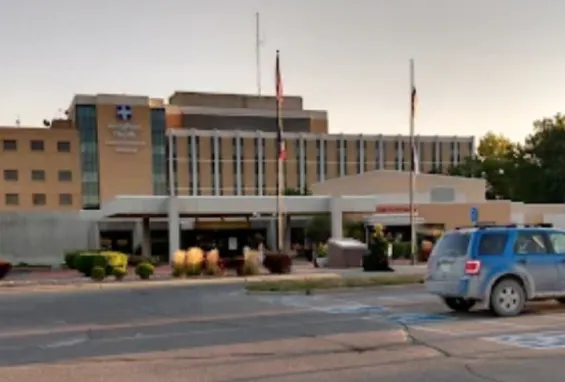
Powell Chemical Dependency Program, also known as Powell Chemical Dependency Center (Powell CDC), is an addiction treatment program located on the fourth floor of Iowa Lutheran Hospital at 700 East University Avenue in Des Moines, Iowa. Operated by UnityPoint Health – Des Moines, the center provides substance use disorder treatment for adults aged 18 and older through residential and outpatient programs.
Established in 1973, Powell Chemical Dependency Center has served individuals and families affected by alcohol and drug addiction for more than five decades. The facility is licensed through the State of Iowa Department of Health and Human Services and provides individualized treatment planning, recovery education, counseling, and continuing care.
Powell offers several levels of addiction treatment, including short-term residential rehabilitation, day treatment, partial hospitalization, intensive outpatient treatment, extended outpatient care, and relapse-focused outpatient services. Patients may transition between these programs according to their clinical needs and recovery progress.
The residential program typically lasts approximately two to three weeks and is commonly followed by intensive outpatient treatment. Although the program is located within Iowa Lutheran Hospital, its residential unit is not a medical inpatient floor and does not provide continuous nursing supervision. Patients must be medically and psychiatrically stable and capable of independently managing daily activities.
Powell follows an abstinence-based, 12-step-oriented treatment model. Patients participate in counseling, educational groups, recovery discussions, and activities designed to develop coping skills, understand addiction, and build supportive relationships. Residential programming includes counseling and education groups seven days per week, along with individual counseling.
The center treats a broad range of substance use disorders, including alcohol addiction, heroin and prescription opioid misuse, cocaine addiction, methamphetamine use, cannabis use, prescription stimulant misuse, and other drug-related conditions. Treatment planning considers the patient’s substance use history, physical health, emotional well-being, and available social support.
A distinguishing feature of Powell is its structured Family Recovery Program. The center offers educational groups, communication skills training, individual and family therapy, and support groups for relatives and significant others affected by addiction. Family programming is available even when the individual experiencing addiction is not participating in treatment.
Powell also provides continuing care and an extensive aftercare network. Its volunteer-led recovery groups help former patients maintain connections with peers, strengthen recovery skills, and receive ongoing encouragement. Aftercare meetings are available at Iowa Lutheran Hospital and Methodist West Hospital.
The multidisciplinary treatment team includes a nurse practitioner, nurses, certified alcohol and drug counselors, licensed mental health therapists, care managers, patient care technicians, and clergy. The center also provides specialized educational groups addressing alcohol-related liver and kidney disease.
Powell Chemical Dependency Center is located at 700 East University Avenue, Fourth Floor, Des Moines, IA 50316. Its main treatment and admissions telephone number is 515-263-2424. Published office hours are Monday through Friday, 8:00 a.m. to 4:30 p.m., although residential treatment activities follow a separate schedule.
Who This Facility Is For
Powell Chemical Dependency Center serves adults aged 18 and older who need structured treatment for alcohol or drug addiction. The facility may be appropriate for individuals seeking short-term residential rehabilitation, intensive outpatient services, or ongoing recovery support while continuing to live in the community.
The program is particularly suited to individuals who are medically and psychiatrically stable enough to participate in an abstinence-based treatment environment. Patients with co-occurring mental health concerns may receive short-term mental health support when their symptoms can be safely managed within the program.
- Alcohol use disorder
- Heroin use disorder
- Prescription opioid misuse
- Cocaine use disorder
- Methamphetamine use disorder
- Prescription stimulant misuse
- Cannabis use disorder
- Inhalant misuse
- Kratom misuse
- MDMA misuse
- LSD misuse
- PCP misuse
- Synthetic cannabinoid misuse
- Dextromethorphan misuse
- Polysubstance use
- Substance use relapse
- Co-occurring mental health concerns
- Trauma-related concerns
- Alcohol-related health concerns
- Recovery skills development
- Family relationship difficulties
- Continuing recovery support needs
The facility’s published program information emphasizes substance use disorder treatment rather than long-term management of severe psychiatric or medical conditions. Patients requiring intensive medical care or acute psychiatric stabilization may need treatment elsewhere before entering Powell’s residential program.
- Adults aged 18 and older
- Young adults aged 18 and older
- Adult men
- Adult women
- Individuals with alcohol addiction
- Individuals with drug addiction
- Individuals with multiple substance use disorders
- Patients needing short-term residential care
- Patients needing intensive outpatient care
- Patients with co-occurring mental health concerns
- Patients with trauma histories
- Individuals returning to treatment after relapse
- Individuals needing continuing care
- Family members affected by addiction
- Spouses and significant others
- Former patients seeking aftercare support
Powell’s residential program requires patients to be at least 18 years old and no longer enrolled in high school. Its Family Recovery Program also serves relatives and concerned individuals who want support in understanding and responding to addiction.
- Comprehensive substance use assessment
- Substance use screening
- Mental health screening
- Individualized treatment planning
- Short-term residential rehabilitation
- Day treatment
- Partial hospitalization
- Intensive outpatient treatment
- Regular outpatient treatment
- Extended outpatient treatment
- Relapse-focused outpatient treatment
- Individual counseling
- Group counseling
- Family counseling
- Couples counseling
- Substance use disorder counseling
- Cognitive behavioral therapy
- Motivational interviewing
- Motivational incentives
- Contingency management
- Trauma-related counseling
- Anger management
- 12-step facilitation
- Relapse prevention
- Recovery education
- Communication skills training
- Family Recovery Program
- Family education groups
- Family support groups
- Short-term mental health therapy
- Case management
- Peer recovery support
- Social support development
- Alcohol-related liver disease education
- Alcohol-related kidney disease education
- Community recovery resource referrals
- Discharge planning
- Continuing care counseling
- Individual continuing care therapy
- Volunteer-led aftercare groups
- Alumni recovery activities
- Post-treatment recovery support
Powell’s residential treatment program generally involves two to three weeks of structured addiction rehabilitation. Treatment includes daily counseling and educational activities, with patients commonly transitioning to intensive outpatient services after completing residential care.
The center’s outpatient programs offer different levels of treatment intensity. Day treatment and partial hospitalization provide more structured programming, while intensive, extended, and regular outpatient services allow patients to continue recovery work while living outside the facility.
The Family Recovery Program includes educational meetings and small-group discussions designed to help relatives understand chemical dependency and develop healthier communication and coping skills. Published program information describes a twelve-session family recovery series, with meetings held on Tuesdays and Thursdays.
Continuing care includes counselor-led groups, peer support, individual therapy, and education addressing codependency. Powell also offers volunteer-led aftercare growth groups that help former patients maintain supportive relationships with others in recovery.
Federal treatment directories identify certain medication-related services and withdrawal management activities in Powell’s historical records. However, the provider’s current residential program information specifically states that the unit does not provide continuous nursing care and requires medical stability. Patients should not assume that hospital-level detoxification or continuous medical monitoring is available within Powell’s residential program.
Prospective patients can schedule an assessment by calling 515-263-2424. The evaluation considers substance use history, treatment needs, medical and psychiatric stability, and the patient’s ability to participate in the program.
Powell is a voluntary, abstinence-based treatment program. Patients are expected to refrain from alcohol and nonapproved addictive substances. The center’s published guidelines generally restrict benzodiazepines, opioids, stimulants, and other habit-forming medications, with individual medication arrangements requiring clinical review.
The residential unit is not locked and is not designed for individuals who require constant medical supervision. Patients must be independent in activities of daily living and must not require services such as intravenous treatment, physical therapy, occupational therapy, respiratory therapy, or continuous nursing care.
Individuals experiencing serious medical conditions must have those needs addressed before or after residential treatment. Patients must also be psychiatrically stable; individuals who are actively suicidal or homicidal are not appropriate for admission to the residential unit.
Residential treatment generally lasts approximately two to three weeks, followed by intensive outpatient care when clinically indicated. The actual duration and progression through treatment depend on individual needs and the clinical team’s recommendations.
Powell encourages tobacco cessation. Patients using tobacco may be offered nicotine replacement products, such as patches or gum, and referrals for additional cessation support.
The center requires active health insurance or a self-payment arrangement. Its published treatment information states that a sliding fee scale is not available. Patients should confirm coverage, financial requirements, medication restrictions, and residential bed availability before admission.
Insurance and Payment Options
Powell Chemical Dependency Center accepts multiple payment arrangements for eligible addiction treatment services. Published facility records identify Medicare, Medicaid, private health insurance, federal military insurance such as TRICARE, and cash or self-payment.
Coverage varies according to the patient’s insurance plan, clinical needs, and treatment level. Residential rehabilitation, partial hospitalization, intensive outpatient treatment, and regular outpatient counseling may have different authorization and payment requirements.
Powell’s official treatment information states that patients must have active insurance or be prepared to pay privately. The program does not offer a sliding fee scale. A separate alumni and friends association raises funds to assist patients experiencing financial difficulties, but assistance is not guaranteed.
Residential rehabilitation and intensive outpatient services may require prior authorization, medical necessity documentation, or approval for a specified length of treatment. Patients should ask about any deductibles, copayments, coinsurance, and uncovered expenses.
Individuals considering self-payment should request a current estimate of treatment costs, including assessments, residential care, outpatient counseling, and any separately billed services.
Powell’s published financial information does not identify a sliding fee scale. Patients experiencing financial hardship may ask whether any assistance is available through the Powell Chemical Dependency Center Alumni and Friends Association or other community resources.
The Family Recovery Program and aftercare services have different participation arrangements from residential rehabilitation. Powell identifies free aftercare support for patients and concerned family members, although individuals should confirm current schedules and eligibility.
For admissions, insurance verification, and payment information, contact Powell Chemical Dependency Center at 515-263-2424.
Treatment Options
The facility offers multiple levels of care, such as:
- Mentoring/peer support
- Discharge Planning
- Self-help groups
- Naloxone and overdose education
- Outcome follow-up after discharge
The center treats the following addictions and co-occurring disorders:
- Opioids detoxification
- Medication routinely used during detoxification
- Clients who have experienced trauma
- Comprehensive substance use assessment
- Outreach to persons in the community
- Screening for mental disorders
- Screening for substance use
- Professional interventionist/educational consultant
- Comprehensive mental health assessment
Treatment Modalities
- Cognitive behavioral therapy
- Telemedicine/telehealth therapy
- Substance use disorder counseling
- Trauma-related counseling
- Group counseling
- Family counseling
- Marital/couples counseling
- 12-step facilitation
- Contingency management/motivational incentives
- Motivational interviewing
- Anger management
- Relapse prevention
- Holistic Treatment
- Intervention Services
- Individual psychotherapy
Conditions Treated
- Alcoholism
- Mental health treatment
- Substance use treatment
- Co-occurring Disorders
Levels Of Care
- Hospital inpatient/24-hour hospital inpatient
- Hospital inpatient treatment
- Outpatient
- Short-term residential
- Outpatient day treatment or partial hospitalization
- Intensive outpatient treatment
- Regular outpatient treatment
- Aftercare
License and Accreditation
- State department of health
- Hospital licensing authority
Ancillary Services
- Case management service
- Mental health services
- Social skills development
Hope Without Commitment
Find the best treatment options. Call our free and confidential helpline.
Most private insurances accepted