
Odyssey House – Adult Residential Treatment Program – Salt Lake City, Utah
68 South 600 East, Salt Lake City, Utah, 84102
Last Updated: November 23, 2026
Insurance
Payment Options
- Cash or self-payment
- Medicaid
- Medicare
- State-financed health insurance plan other than Medicaid
- Private health insurance
- Federal military insurance (e.g., TRICARE)
- Federal, or any government funding for substance use treatment programs
- Sliding fee scale (fee is based on income and other factors)
- IHS/Tribal/Urban (ITU) funds
- SAMHSA funding/block grants
Addiction Resource Score
Scoring is assigned by a proprietary system which helps surface key metrics that determine quality. The 10-point scale factors in categories such as operations, customer satisfaction, and trust metrics.
We understand that choosing an addiction treatment center can be overwhelming, especially with so many options, promises, and marketing messages. That's why we've developed a clear, standardized rating system designed to cut through the noise and highlight what truly matters: safety, quality of care, and transparency. Our goal is to give individuals and families the information they need to make confident, informed decisions during a critical time.
In this guide, we explain exactly how we rate treatment centers—from accreditation and staff credentials to therapy options, facility environment, and family involvement. You'll see how we assign scores, award badges, and update listings to ensure accuracy and fairness. Most importantly, our system focuses on elevating centers that prioritize ethical, evidence-based care, not just those with the best marketing. This way, you can trust that the ratings you see reflect meaningful standards that help you find the right fit for lasting recovery.
8.2
Out of 10
Facility Overview
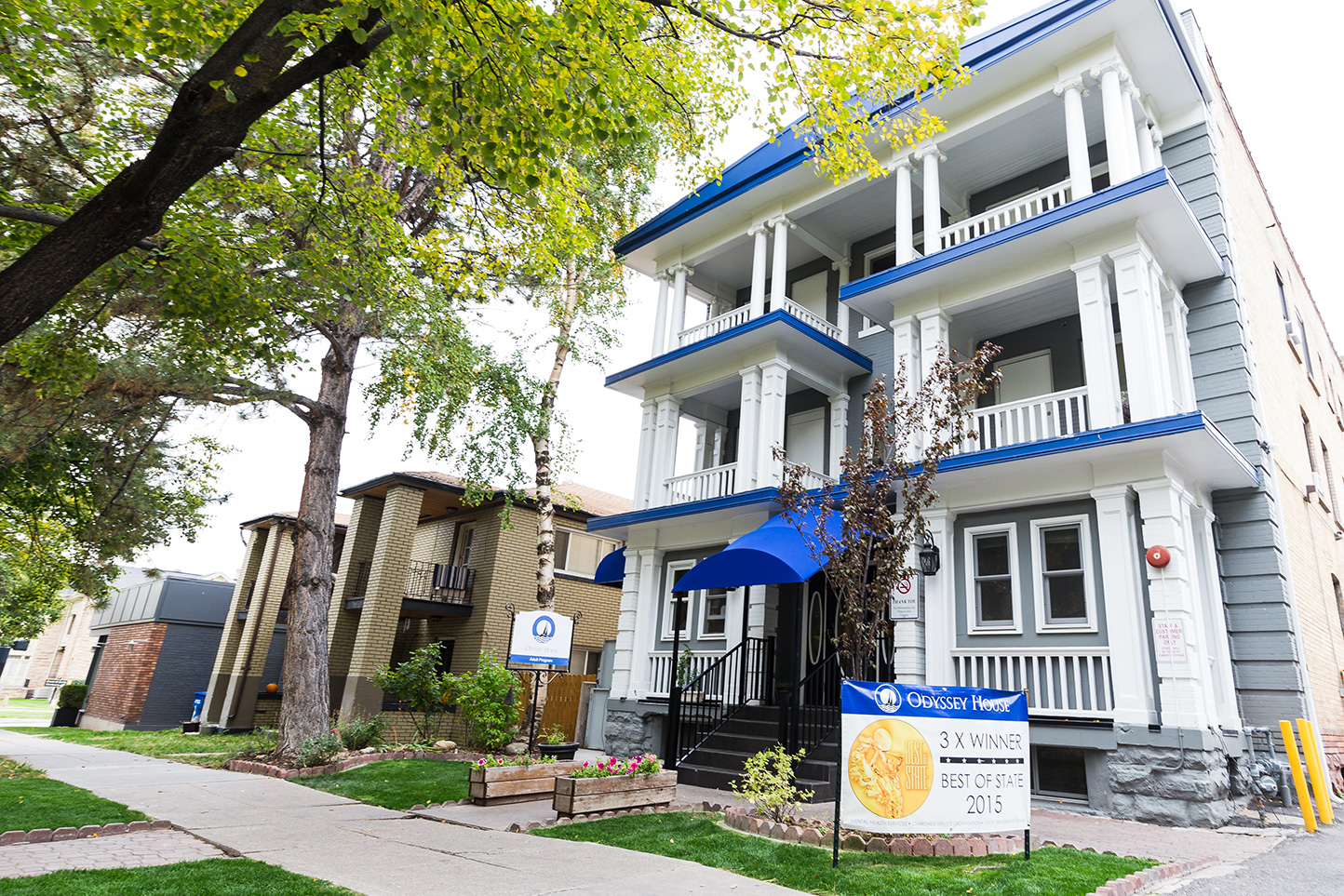
Odyssey House Adult Residential Treatment Program, currently identified as Odyssey House of Utah – Adult Residential Downtown, is a residential substance use disorder treatment facility located at 68 South 600 East in Salt Lake City, Utah. Operated by Odyssey House of Utah, a nonprofit behavioral health organization founded in 1971, the program provides structured addiction treatment for adults experiencing alcohol and drug use disorders.
The Downtown Residential facility is part of Odyssey House’s broader adult residential treatment system. The organization combines evidence-based addiction counseling with mental health care, life skills development, employment preparation, education, physical health support, and assistance rebuilding relationships. Its approach addresses both substance use and the practical challenges that can interfere with sustained recovery.
Odyssey House is accredited by The Joint Commission for behavioral health care and human services. The Joint Commission identifies Adult Residential Downtown as an accredited site within the organization. Historical federal treatment records also identify short-term and long-term residential treatment at the 68 South 600 East address.
The residential program provides a structured living environment where participants work on substance use recovery, emotional regulation, communication, personal responsibility, and healthy daily routines. Treatment may involve individual counseling, group therapy, family counseling, trauma-related interventions, and relapse prevention.
Odyssey House reports that its residential treatment programs have a minimum stay of 30 days. Patients may enter with a planned treatment period of 30, 60, or 90 days, or receive longer individualized care based on their treatment goals and clinical progress. Actual length of stay is determined through assessment and ongoing treatment planning.
Licensed mental health therapists are part of the organization’s adult residential treatment team. They help address depression, anxiety, mood-related conditions, trauma, and behavioral patterns that may contribute to substance use. Treatment emphasizes coping skills, emotional regulation, and development of supportive relationships.
A distinguishing feature of Odyssey House’s residential model is its emphasis on practical independence. Participants develop everyday living skills such as cooking, laundry, cleaning, personal responsibility, and maintaining healthy routines. The organization also offers educational and vocational opportunities, including access to GED preparation through a partnership with the Salt Lake City School District.
Recreation, cultural activities, peer leadership, and community involvement are also incorporated into the adult residential program. These activities help patients practice social skills, develop positive interests, and build a recovery-oriented lifestyle.
Odyssey House operates an integrated healthcare service through its Martindale Clinic, which supports medical and medication-related needs across the organization’s treatment programs. Patients receiving medication for opioid use disorder may be able to continue medically appropriate treatment while participating in residential care.
The Downtown Residential facility is separate from Odyssey House’s Lighthouse, Meadowbrook, Millcreek, and Parents with Children residential locations. The organization also operates outpatient clinics, transitional housing, specialized mental health services, and community-based programs at other addresses. Services offered elsewhere in the network should not automatically be attributed to the Downtown campus.
The residential facility is located at 68 South 600 East, Salt Lake City, UT 84102. Admissions are coordinated through the Odyssey House Admissions Office at 344 East 100 South, Salt Lake City. Prospective patients can call 801-322-3222 for assessments, program information, and residential placement.
Who This Facility Is For
Odyssey House Adult Residential Downtown serves adults who need a structured residential environment to address substance use disorders and related behavioral health concerns. The program may be appropriate for individuals who have difficulty maintaining recovery without consistent therapeutic support, stable housing, and assistance developing healthier routines.
The program also supports adults whose addiction is complicated by trauma, depression, anxiety, unemployment, limited education, strained family relationships, or housing instability. Its integrated treatment model helps participants address these concerns while working toward long-term recovery and greater independence.
- Alcohol use disorder
- Opioid use disorder
- Prescription drug misuse
- Stimulant use disorder
- Cannabis use disorder
- Other substance use disorders
- Polysubstance use
- Co-occurring mental health disorders
- Depression-related concerns
- Anxiety-related concerns
- Mood-related concerns
- Trauma-related concerns
- Substance use relapse
- Emotional regulation difficulties
- Unhealthy behavioral patterns
- Family relationship difficulties
- Employment-related barriers
- Educational barriers
- Housing instability
- Independent living skills development
- Young adults
- Adult men
- Adult women
- Older adults
- Individuals with substance use disorders
- Individuals with co-occurring disorders
- Veterans
- Active-duty military personnel
- Military family members
- LGBTQ individuals
- Individuals involved in the justice system
- Individuals with trauma histories
- Sexual abuse survivors
- Domestic violence survivors
- Individuals with chronic pain concerns
- Individuals with HIV or AIDS
- Individuals experiencing housing instability
- Individuals needing vocational support
- Individuals needing long-term residential care
Historical records also identify pregnant and postpartum women among populations served by the broader residential program. However, Odyssey House currently operates a separate Parents with Children Residential program at 42 South 500 East. Applicants seeking treatment while living with their children should contact admissions to determine the appropriate program and location.
Specialized population designations do not necessarily indicate that separate dedicated treatment units are available for every group at the Downtown facility. Admission and program placement depend on individual assessment.
- Comprehensive substance use assessment
- Comprehensive mental health assessment
- Medical history assessment
- Substance use screening
- Mental health screening
- Short-term residential treatment
- Long-term residential treatment
- Individual psychotherapy
- Group counseling
- Family counseling
- Couples counseling
- Substance use disorder counseling
- Cognitive behavioral therapy
- Motivational interviewing
- Motivational incentives
- Contingency management
- Matrix Model
- Brief intervention
- Trauma-related counseling
- Anger management
- 12-step facilitation
- Non-12-step recovery approaches
- Relapse prevention
- Telehealth-supported counseling
- Individualized treatment planning
- Mental health treatment coordination
- Medication-assisted treatment coordination
- Peer recovery support
- Recovery coaching
- Case management
- Life skills training
- Communication skills development
- Emotional regulation skills
- Healthy relationship education
- Peer leadership opportunities
- GED and educational support
- Vocational services
- Employment counseling
- Recreational activities
- Cultural activities
- Independent living preparation
- Housing resource assistance
- Community resource referrals
- Discharge planning
- Continuing care coordination
The adult residential program emphasizes a combination of clinical treatment and practical recovery skills. Participants learn to manage daily responsibilities, strengthen communication, establish healthy relationships, and prepare for independent living after residential care.
Odyssey House supports educational and employment development through GED opportunities and vocational services. Its programs also encourage leadership and accountability within the residential peer community.
The organization permits medically appropriate medication-assisted treatment, including methadone, buprenorphine, and extended-release naltrexone, within its broader treatment system. Medication prescribing and medical services are coordinated through its Martindale Clinic. Patients should confirm the availability of specific medications and arrangements at the Downtown Residential location.
Historical facility records identify overdose prevention education, naloxone services, drug screening, infectious disease education, and health-related support. The availability of individual medical or testing services at the Downtown campus should be confirmed through the admissions team.
Odyssey House also provides outpatient counseling, intensive outpatient treatment, recovery housing, and other continuing care services through separate programs. These services may support a patient’s transition from residential treatment but are not all delivered at 68 South 600 East.
Odyssey House coordinates residential admissions through its office at 344 East 100 South in Salt Lake City. Walk-in residential assessments are available Monday through Friday from 9:00 a.m. to noon, subject to staff capacity. The organization recommends contacting admissions in advance whenever possible.
Initial evaluations may take approximately two hours. The admissions team determines which residential program is most appropriate and reviews available funding, clinical requirements, and placement options.
Residential treatment generally requires a minimum stay of 30 days. Depending on the patient’s needs, treatment may continue for 60 days, 90 days, or longer. The length of treatment is individualized rather than fixed for every patient.
Odyssey House has medical staff who can help with certain opioid and methamphetamine withdrawal-related needs. Patients experiencing alcohol or benzodiazepine withdrawal may require referral to a medical detoxification provider before entering residential care. The organization can help coordinate a safe transition into treatment.
Patients who are prescribed methadone, buprenorphine, or naltrexone may be eligible for residential treatment when those medications are medically appropriate. Medication management is coordinated with qualified healthcare professionals and the organization’s medical services.
Patients are encouraged to bring comfortable clothing and shoes, alcohol-free toiletries, family photographs, appropriate books, and personal religious or spiritual items. Laundry facilities and basic supplies are available. Valuable items and electronics should generally be left at home.
Family involvement is encouraged when clinically appropriate. Approved relatives and friends may communicate through letters, phone calls, scheduled visits, or coordinated family therapy. Specific visitation policies should be confirmed with the treatment team.
Applicants needing transportation assistance to their admission appointment can ask Odyssey House about available arrangements. Residential bed availability changes regularly and should be confirmed directly with admissions.
For admission assessments and placement information, contact 801-322-3222.
Insurance and Payment Options
Odyssey House of Utah accepts Utah Medicaid and many commercial health insurance plans. The organization also works with local mental health authorities, government-funded treatment programs, and other funding sources to help eligible patients access addiction care.
Published historical facility records additionally identify Medicare, federal military insurance such as TRICARE, state-financed health insurance, and self-payment. Current participation with Medicare and military insurance plans should be verified before admission.
Odyssey House states that qualifying Salt Lake County residents may receive treatment without out-of-pocket costs. For patients who do not qualify for insurance or publicly funded care, the organization offers affordable cash-payment arrangements and sliding-scale rates based on eligibility.
Medicaid managed care participation may include Healthy U, Select Health, Molina, and Integrated Health Choice arrangements. Eligibility and coverage depend on the patient’s current plan, residency, and treatment needs.
Commercial insurance coverage may require prior authorization, medical necessity documentation, deductibles, copayments, or coinsurance. The organization can help applicants understand available funding options and insurance requirements.
Patients without insurance may qualify for government-supported treatment, local funding programs, or reduced self-payment rates. Funding availability and eligibility are assessed individually and should not be assumed to be guaranteed.
Patients receiving medication-assisted treatment should confirm whether medication services, medical appointments, laboratory testing, and other healthcare costs are included in their residential treatment coverage or billed separately.
Odyssey House offers financial assistance guidance through its admissions team. Prospective patients should request a current estimate of any expected out-of-pocket costs before entering care.
For insurance verification, funding assistance, and residential admission information, contact Odyssey House at 801-322-3222.
Treatment Options
The facility offers multiple levels of care, such as:
- Mentoring/peer support
- Housing services
- Discharge Planning
- Employment counseling or training
- Self-help groups
- Naloxone and overdose education
- Outcome follow-up after discharge
- Recovery coach
The center treats the following addictions and co-occurring disorders:
- Clients with co-occurring mental and substance use disorders
- Veterans
- Active duty military
- Members of military families
- Criminal justice (other than DUI/DWI)/Forensic clients
- Pregnant/postpartum women
- Clients with HIV or AIDS
- Clients who have experienced trauma
- Clients who have experienced sexual abuse
- Clients who have experienced intimate partner violence, domestic violence
- Clients with co-occurring pain and substance use disorders
- Screening for tobacco use
- Comprehensive mental health assessment
- Comprehensive substance use assessment
- Outreach to persons in the community
- Screening for mental disorders
- Screening for substance use
- Complete medical history/physical exam
Treatment Modalities
- Cognitive behavioral therapy
- Telemedicine/telehealth therapy
- Substance use disorder counseling
- Trauma-related counseling
- Smoking/vaping/tobacco cessation counseling
- Group counseling
- Family counseling
- Marital/couples counseling
- 12-step facilitation
- Intervention Services
- Contingency management/motivational incentives
- Motivational interviewing
- Anger management
- Matrix Model
- Relapse prevention
- Non 12-Step
- Individual psychotherapy
Conditions Treated
- Alcoholism
- Mental health treatment
- Substance use treatment
- Co-occurring Disorders
Levels Of Care
- Hospital inpatient treatment
- Short-term residential
- Long-term residential
- Aftercare
- Halfway house
License and Accreditation
- State mental health department
- State department of health
- SAMHSA certification for opioid treatment program (OTP)
- The Joint Commission
Ancillary Services
- Case management service
- Integrated primary care services
- Suicide prevention services
- Domestic violence services, including family or partner
- Early intervention for HIV
- Mental health services
- Social skills development
Hope Without Commitment
Find the best treatment options. Call our free and confidential helpline.
Most private insurances accepted