
McNabb Center – CenterPointe – Knoxville, Tennessee
5310 Ball Camp Pike, Knoxville, Tennessee, 37921
Last Updated: November 23, 2026
Insurance
Payment Options
- Medicaid
- Medicare
- Private health insurance
- Federal military insurance (e.g., TRICARE)
- State-financed health insurance plan other than Medicaid
- Cash or self-payment
- Federal, or any government funding for substance use treatment programs
- Financial aid
- Self-pay options
Addiction Resource Score
Scoring is assigned by a proprietary system which helps surface key metrics that determine quality. The 10-point scale factors in categories such as operations, customer satisfaction, and trust metrics.
We understand that choosing an addiction treatment center can be overwhelming, especially with so many options, promises, and marketing messages. That's why we've developed a clear, standardized rating system designed to cut through the noise and highlight what truly matters: safety, quality of care, and transparency. Our goal is to give individuals and families the information they need to make confident, informed decisions during a critical time.
In this guide, we explain exactly how we rate treatment centers—from accreditation and staff credentials to therapy options, facility environment, and family involvement. You'll see how we assign scores, award badges, and update listings to ensure accuracy and fairness. Most importantly, our system focuses on elevating centers that prioritize ethical, evidence-based care, not just those with the best marketing. This way, you can trust that the ratings you see reflect meaningful standards that help you find the right fit for lasting recovery.
8.0
Out of 10
Facility Overview
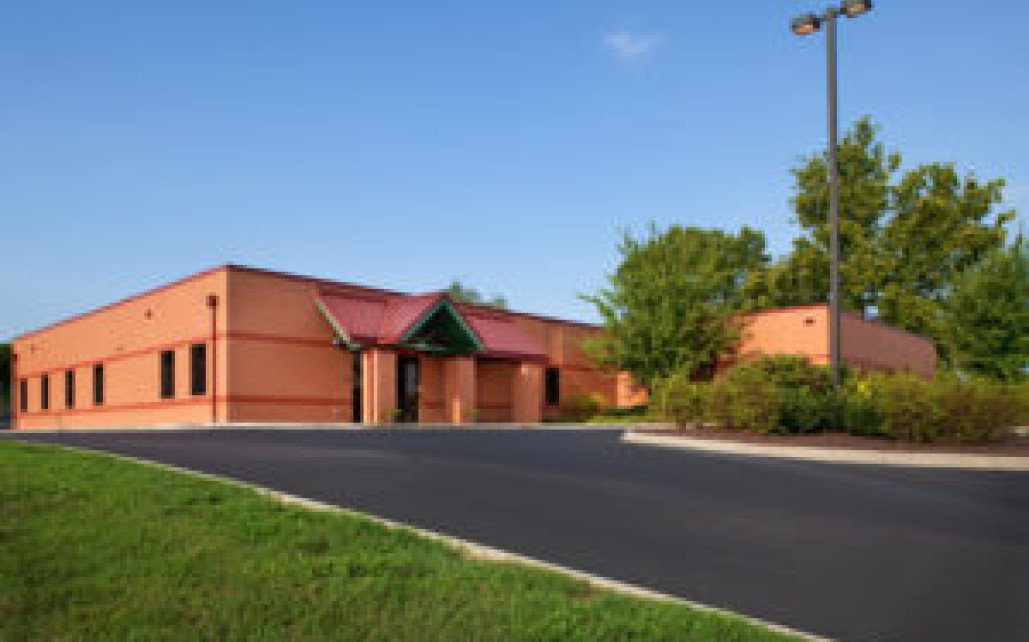
McNabb Center – Centerpointe is a residential addiction treatment and medically monitored detoxification facility located at 5310 Ball Camp Pike in Knoxville, Tennessee. Operated by the nonprofit McNabb Center, Centerpointe provides substance use treatment, withdrawal management, outpatient services, and recovery support for adults experiencing alcohol or drug addiction.
Centerpointe serves individuals who need structured addiction treatment, including patients with co-occurring substance use and mental health disorders. Its treatment approach combines medical monitoring, behavioral health counseling, individualized recovery planning, family involvement, and continuing support after residential treatment.
The facility underwent a major expansion completed in June 2026. According to the McNabb Center, the project increased residential capacity from 46 to 72 beds, adding 26 beds along with expanded nursing areas, counseling spaces, residential accommodations, offices, and common areas. The expansion was intended to increase access to substance use treatment throughout East Tennessee.
Centerpointe’s current official website describes a newly renovated treatment environment with bright common areas, expanded residential accommodations, and dedicated clinical spaces. These facilities support detoxification, residential rehabilitation, counseling, and recovery activities.
CARF International identifies Centerpointe as an accredited provider of adult residential substance use treatment and residential withdrawal management. Both programs have received three-year accreditation decisions. This accreditation applies specifically to the Centerpointe facility at 5310 Ball Camp Pike.
Centerpointe’s medically monitored detoxification program serves adults experiencing potentially high-risk withdrawal from alcohol, opioids, and other addictive substances. Medical evaluation and withdrawal management are provided by nurses and clinical professionals using physician-approved protocols.
Detoxification is intended to help patients safely manage withdrawal symptoms and prepare for the next stage of treatment. Depending on clinical needs, patients may transition into residential rehabilitation or receive recommendations for other appropriate services.
The residential treatment program serves adults with substance use disorders, including those experiencing co-occurring mental health conditions. Treatment includes individual counseling, group therapy, family therapy, addiction education, and practical recovery skills development.
Residential rehabilitation typically lasts approximately 28 days, although the appropriate duration depends on individual needs and treatment progress. Patients work with clinical staff to establish recovery goals, recognize substance use triggers, strengthen coping skills, and develop a plan for continuing treatment.
The McNabb Center identifies its residential substance use treatment services as Co-Occurring Disorders Enhanced, reflecting an increased level of integration between addiction treatment and mental health services. This approach is intended to help individuals whose mental health symptoms and substance use problems affect one another.
Centerpointe also offers outpatient services for adults who do not require residential placement or who are transitioning from a more intensive treatment setting. Its intensive outpatient programming may include gender-specific treatment groups, with three to four sessions per week over approximately six to twelve weeks, depending on the patient’s treatment plan.
Outpatient medication-assisted treatment combines counseling and behavioral therapies with clinically appropriate medications. The McNabb Center identifies buprenorphine and Vivitrol among medications used within its addiction treatment system. Specific prescribing and medication administration arrangements should be confirmed directly with Centerpointe.
Recovery support may include weekly aftercare groups, peer support, recovery coaching, and referrals to continuing treatment. These services help individuals maintain connections with recovery resources after completing detoxification or residential rehabilitation.
Centerpointe is part of the McNabb Center, a regional nonprofit behavioral health organization founded in 1948. The organization provides mental health, substance use, social, and victim services across East Tennessee. Its broader services include programs for children, adolescents, adults, and families, although Centerpointe’s CARF-accredited residential programs specifically serve adults.
The facility is located at 5310 Ball Camp Pike, Knoxville, TN 37921. For detoxification, residential treatment, outpatient services, or admissions information, contact Centerpointe at 865-523-4704.
Who This Facility Is For
McNabb Center – Centerpointe serves adults who need professional treatment for alcohol or drug addiction, including individuals requiring medically monitored withdrawal management or structured residential rehabilitation. The program may be appropriate for people who cannot safely manage withdrawal without clinical supervision or who need a residential setting to begin recovery.
Centerpointe also supports adults with co-occurring mental health conditions, repeated substance use relapse, limited recovery support, or difficulty maintaining sobriety through outpatient counseling alone. Individuals who are medically stable and do not require residential treatment may be considered for intensive outpatient services, medication-assisted treatment, or continuing recovery support.
- Alcohol use disorder
- Opioid use disorder
- Prescription opioid misuse
- Heroin dependence
- Other prescription drug misuse
- Benzodiazepine-related substance use
- Stimulant use disorders
- Cocaine-related substance use
- Methamphetamine-related substance use
- Other drug use disorders
- Polysubstance use
- Alcohol withdrawal
- Opioid withdrawal
- Benzodiazepine withdrawal concerns
- Co-occurring substance use and mental health disorders
- Substance use relapse
- Substance cravings
- Trauma-related concerns
- Emotional regulation difficulties
- Recovery skills development
- Continuing treatment needs
Centerpointe currently confirms medically monitored withdrawal management for alcohol, opioids, and other addictive substances. Historical federal treatment records additionally identify benzodiazepine detoxification. Patients should verify the facility’s current capabilities for specific substances before admission.
- Adults aged 18 and older
- Young adults aged 18 and older
- Adult men
- Adult women
- Individuals with alcohol addiction
- Individuals with opioid addiction
- Individuals with multiple substance use disorders
- Individuals with co-occurring mental health disorders
- Individuals requiring medically monitored detoxification
- Individuals needing residential rehabilitation
- Individuals with trauma histories
- Individuals with histories of sexual abuse
- Individuals experiencing repeated relapse
- Individuals needing medication-assisted treatment
- Individuals transitioning from residential to outpatient care
- Individuals requiring ongoing recovery support
Historical records also identify specialized services for veterans, pregnant or postpartum women, and individuals involved in the criminal justice system. However, current dedicated programming or admission eligibility for these populations has not been independently confirmed at Centerpointe.
The McNabb Center operates adolescent substance use treatment programs elsewhere in its service system. Centerpointe’s current residential and withdrawal management accreditation specifically identifies adults, so adolescent residential treatment should not be attributed to this facility without confirmation.
- Comprehensive substance use assessment
- Behavioral health assessment
- Medical evaluation
- Substance use screening
- Individualized treatment planning
- Medically monitored detoxification
- Residential withdrawal management
- Alcohol detoxification
- Opioid detoxification
- Medication-supported withdrawal management
- Withdrawal symptom monitoring
- Physician-approved withdrawal protocols
- Residential addiction rehabilitation
- Short-term residential treatment
- Individual counseling
- Group counseling
- Family counseling
- Substance use disorder counseling
- Cognitive behavioral therapy
- Motivational interviewing
- Brief intervention
- Trauma-related counseling
- Relapse prevention
- Motivational incentives
- Matrix Model
- Rational emotive behavioral techniques
- Recovery education
- Life skills development
- Co-occurring disorder treatment
- Intensive outpatient programming
- Gender-specific outpatient groups
- Regular outpatient treatment
- Medication-assisted treatment
- Buprenorphine-related treatment
- Naltrexone-related treatment
- Peer recovery support
- Recovery coaching
- Weekly recovery support groups
- Case management
- Family involvement
- Community recovery referrals
- Overdose prevention education
- Discharge planning
- Aftercare services
- Continuing care coordination
Medically monitored detoxification is one of Centerpointe’s primary services. Adults experiencing withdrawal from alcohol, opioids, or other addictive substances receive clinical evaluation and monitoring under physician-approved protocols. Nursing and clinical staff assess withdrawal symptoms and provide appropriate medical support.
The purpose of withdrawal management is to address the immediate physical effects of substance dependence and determine the appropriate next stage of treatment. Detoxification alone does not address every behavioral or psychological aspect of addiction, so patients may be encouraged to continue into residential or outpatient rehabilitation.
Centerpointe’s residential treatment program provides a structured recovery environment for adults with substance use disorders and co-occurring mental health concerns. The average residential stay is approximately 28 days, with treatment duration adjusted according to clinical needs and progress.
Individual counseling allows patients to discuss substance use history, personal recovery goals, emotional difficulties, and barriers to maintaining sobriety. Group counseling provides opportunities to learn from others, develop coping strategies, and practice recovery-related skills.
Family therapy may help patients and relatives address communication problems, relationship difficulties, and the effects of addiction on family life. Participation depends on the individual’s treatment plan and clinical circumstances.
The McNabb Center identifies its residential substance use treatment services as Co-Occurring Disorders Enhanced. This approach integrates addiction treatment with mental health services for individuals experiencing both conditions.
Historical federal treatment records identify cognitive behavioral therapy, motivational interviewing, motivational incentives, the Matrix Model, rational emotive behavioral techniques, and trauma-related counseling. These approaches may help patients examine substance use patterns, strengthen motivation, improve emotional regulation, and develop healthier behaviors.
Specific therapeutic methods depend on the current treatment team, the patient’s clinical needs, and the availability of qualified providers. Historical listings should not be interpreted as a guarantee that every listed therapy is offered to every patient.
Centerpointe also provides access to intensive outpatient programming. The current provider website describes gender-specific IOP services involving approximately three to four treatment sessions weekly over six to twelve weeks. The precise schedule and duration depend on the individualized treatment plan.
Outpatient medication-assisted treatment combines behavioral counseling with medications when clinically indicated. The McNabb Center identifies buprenorphine and Vivitrol as treatment options within its substance use service system. Patients should confirm which medications are available directly through Centerpointe and whether separate appointments are required.
Peer recovery support and recovery coaching help patients connect with individuals who have lived experience of addiction recovery. These services can provide encouragement, practical guidance, and connections to community resources.
Aftercare services may include ongoing weekly recovery groups, outpatient counseling, medication-assisted treatment, peer support, and recovery coaching. These options help individuals continue treatment and maintain supportive relationships after leaving residential care.
The facility is located near the McNabb Behavioral Health Urgent Care Center. Local planning documents identify the urgent care and crisis stabilization services as adjacent operations. Those services should not automatically be described as part of Centerpointe’s residential addiction treatment program.
The McNabb Center’s current official website states that Centerpointe is accepting patients for detoxification and residential treatment. Actual admission depends on clinical eligibility, available beds, and the facility’s ability to meet the applicant’s treatment needs.
Individuals seeking detoxification are evaluated to determine whether their withdrawal symptoms can be managed safely through Centerpointe’s physician-approved protocols. Patients should disclose recent alcohol or drug use, prescribed medications, previous withdrawal complications, and relevant medical conditions.
Patients requiring emergency medical treatment, intensive hospital care, or acute psychiatric stabilization may need evaluation at a hospital or another appropriate facility before residential admission.
Centerpointe’s residential program serves adults with substance use disorders, including those experiencing co-occurring mental health conditions. The program is voluntary; local planning records identify residential participation as based on the individual’s consent rather than involuntary commitment.
Residential treatment generally lasts approximately 28 days, although the treatment team may recommend a different duration according to clinical progress and recovery needs.
Adults who do not require residential treatment may be considered for intensive outpatient programming or other outpatient services. The provider describes gender-specific IOP options with schedules determined by individualized treatment plans.
Patients receiving buprenorphine, naltrexone, or other prescribed medications should discuss their current treatment arrangements before admission. Medication continuation or changes depend on clinical assessment and current prescribing policies.
Applicants should confirm identification requirements, insurance documentation, medical clearance, personal belongings policies, transportation arrangements, and current admission availability before arriving.
For residential rehabilitation or detoxification admissions, contact Centerpointe at 865-523-4704. The McNabb Center’s general information number is 800-255-9711.
Insurance and Payment Options
McNabb Center – Centerpointe accepts insurance for addiction treatment, including TennCare, Tennessee’s Medicaid program. The McNabb Center also confirms acceptance of numerous commercial insurance plans, although participation depends on the specific policy and treatment service.
Published facility-specific treatment records additionally identify Medicare, federal military insurance such as TRICARE, state-financed health insurance plans other than Medicaid, and cash or self-payment. Current participation with these payment categories should be verified directly with the admissions team.
Historical treatment directories identify sliding-scale fees, payment assistance, and government-supported substance use treatment funding. These resources may be available to eligible patients, but current financial assistance arrangements and funding availability require confirmation.
TennCare beneficiaries should confirm their current managed care plan and whether the recommended treatment level is covered at the Centerpointe location.
Individuals with commercial insurance should ask about participating provider status, prior authorization, medical necessity requirements, deductibles, copayments, and coinsurance.
Medicare beneficiaries should verify whether their specific plan covers the recommended services. Coverage for outpatient behavioral health care does not necessarily establish coverage for every residential treatment arrangement.
Patients with TRICARE or other military-related insurance should confirm current network participation and authorization requirements because historical acceptance does not guarantee coverage under every current plan.
Medication-assisted treatment may involve separate coverage requirements for prescribing appointments, medications, counseling, and laboratory services. Patients should ask which components are included in their treatment benefits.
Patients without insurance or with limited financial resources should ask about self-payment options, sliding-scale fees, publicly supported treatment, and available financial assistance.
The McNabb Center provides Good Faith Estimates for eligible patients who do not have insurance or choose not to use their coverage. Patients may request an estimate of expected treatment costs before receiving scheduled services.
Individuals transitioning from residential rehabilitation to intensive outpatient treatment or other continuing care services should confirm whether separate insurance authorizations or payment arrangements are required.
For insurance verification, financial assistance, treatment costs, and current admissions information, contact Centerpointe at 865-523-4704.
The McNabb Center is a nonprofit provider of substance use, mental health, and social services in Knoxville, Tennessee, offering a full continuum of care for substance use treatment. Located in Knoxville, the center provides an array of services including intensive outpatient programs (IOPs), residential treatment, detox, medication-assisted therapy, and recovery support, addressing the needs of both adults and adolescents.
The McNabb Center’s medical detox program is designed to help adults safely manage withdrawal from alcohol, opioids, or other substances. Under physician-approved protocols, medical staff ensure that patients are treated safely and comfortably during the detox process.
For those requiring more structured care, inpatient treatment is available for both adolescents and adults with substance use disorders or co-occurring mental health conditions. This program includes addiction education, group and individual therapy, and focuses on wellness, healthy lifestyle habits, and achieving sustained recovery. The center’s integration of co-occurring disorder treatment has earned it the designation of a Co-Occurring Disorders Enhanced facility.
The intensive outpatient program (IOP) at the McNabb Center caters to both adults and adolescents, providing youth and gender-specific groups to meet individual needs. The IOP includes nine to twelve hours of structured therapy and education per week, offering a robust support system for those transitioning from inpatient care or those needing intensive support while maintaining their daily responsibilities.
Medication-assisted therapy (MAT) at the McNabb Center combines behavioral therapy with FDA-approved medications such as buprenorphine and Vivitrol. These medications help relieve withdrawal symptoms and support participants in maintaining their recovery.
Peer support and recovery support are crucial components of the McNabb Center’s treatment approach. These programs offer mutual support and connection, which are essential to the recovery process.
The McNabb Center accepts various forms of payment, including cash or self-payment, state-financed plans, Medicaid, private health insurance, and federal substance use program funding. This flexibility ensures that a wide range of clients can access the necessary treatment.
As the region’s leading nonprofit provider of mental health, substance use, social, and victim services, the McNabb Center focuses on the holistic well-being of individuals, promoting a “Well Mind, Well Being” approach. Since its founding in 1948, the center has proudly served those with the most needs and the fewest resources. Today, the McNabb Center delivers support to more than 45,000 people throughout East Tennessee each year, continuing its mission of providing quality and compassionate care from infancy through adulthood.
The McNabb Center is accredited by CARF, ensuring that they meet the highest standards of care and service delivery.
Treatment Options
The facility offers multiple levels of care, such as:
- Housing services
- Discharge Planning
- Self-help groups
- Naloxone and overdose education
- Outcome follow-up after discharge
The center treats the following addictions and co-occurring disorders:
- Alcohol Detoxification
- Benzodiazepines Detoxification
- Opioids detoxification
- Medication routinely used during detoxification
- Clients with co-occurring mental and substance use disorders
- Pregnant/postpartum women
- Clients who have experienced trauma
- Screening for tobacco use
- Comprehensive mental health assessment
- Comprehensive substance use assessment
- Interim services for clients
- Outreach to persons in the community
- Screening for mental disorders
- Screening for substance use
Treatment Modalities
- Substance use disorder counseling
- Trauma-related counseling
- Smoking/vaping/tobacco cessation counseling
- Group counseling
- Family counseling
- Marital/couples counseling
- Intervention Services
- Relapse prevention
- Individual psychotherapy
- Couples/family therapy
- Life Skills
Conditions Treated
- 24-Hour Clinical Care
- Alcoholism
- Mental health treatment
- Substance use treatment
- Co-occurring Disorders
- Opioid Treatement
Levels Of Care
- Hospital inpatient treatment
- Outpatient
- Short-term residential
- Residential detoxification
- Outpatient detoxification
- Outpatient methadone/buprenorphine or naltrexone treatment
- Regular outpatient treatment
- Hospital inpatient/24-hour hospital inpatient
- Aftercare
- Detoxification
License and Accreditation
- State mental health department
- State department of health
- Commission on Accreditation of Rehabilitation Facilities (CARF)
Ancillary Services
- Case management service
- Suicide prevention services
- Specially designed program for DUI/DWI clients
- Early intervention for HIV
- Mental health services
- Social skills development
- Transportation assistance
Hope Without Commitment
Find the best treatment options. Call our free and confidential helpline.
Most private insurances accepted