
High Point Treatment Center – Brockton, Massachusetts
30 Meadowbrook Road, Brockton, Massachusetts, 02301
Last Updated: November 24, 2026
Insurance
Payment Options
- Medicaid
- Medicare
- Private health insurance
- State-financed health insurance plan other than Medicaid
- MassHealth
- Aetna
- Bluecross Blueshield
- United Healthcare
- AllWays Health Partners
- Harvard Pilgrim Health Care
- UniCare
- Mass General Brigham Health Plan
- Commonwealth Care Alliance
- Cash or self-payment
- Federal, or any government funding for substance use treatment programs
- Sliding fee scale (fee is based on income and other factors)
- Payment assistance (check with facility for details)
- SAMHSA funding/block grants
- Daily
- Per session
- Self-pay options
- Financial aid
- Sliding scale payment assistance
Addiction Resource Score
Scoring is assigned by a proprietary system which helps surface key metrics that determine quality. The 10-point scale factors in categories such as operations, customer satisfaction, and trust metrics.
We understand that choosing an addiction treatment center can be overwhelming, especially with so many options, promises, and marketing messages. That's why we've developed a clear, standardized rating system designed to cut through the noise and highlight what truly matters: safety, quality of care, and transparency. Our goal is to give individuals and families the information they need to make confident, informed decisions during a critical time.
In this guide, we explain exactly how we rate treatment centers—from accreditation and staff credentials to therapy options, facility environment, and family involvement. You'll see how we assign scores, award badges, and update listings to ensure accuracy and fairness. Most importantly, our system focuses on elevating centers that prioritize ethical, evidence-based care, not just those with the best marketing. This way, you can trust that the ratings you see reflect meaningful standards that help you find the right fit for lasting recovery.
9.4
Out of 10
Facility Overview
High Point Treatment Center operates addiction treatment and behavioral healthcare programs at its Meadowbrook Campus in Brockton, Massachusetts. The facility at 30 Meadowbrook Road provides medically supervised withdrawal management, outpatient counseling, and opioid treatment services.
The campus includes specialized inpatient programming for men experiencing substance dependence, alongside community-based behavioral healthcare services.
Patients can access different levels of addiction treatment according to their clinical needs, with referrals to additional stabilization and recovery programs when appropriate.
The facility holds Joint Commission accreditation and is listed in the Massachusetts Bureau of Substance Addiction Services licensing directory.
Who This Facility Is For
High Point Treatment Center serves individuals experiencing alcohol dependence, drug dependence, and associated behavioral health concerns.
The inpatient withdrawal management program serves men and individuals identifying as male, including voluntary patients and individuals admitted through the Massachusetts Section 35 civil commitment process.
Outpatient addiction treatment and opioid treatment services accommodate a broader patient population, subject to individual program eligibility.
Conditions Treated
- Alcohol use disorders
- Opioid use disorders
- Heroin dependence
- Prescription opioid dependence
- Benzodiazepine dependence
- Cocaine use disorders
- Methamphetamine use disorders
- Polysubstance use disorders
- Substance withdrawal symptoms
- Co-occurring substance use and mental health disorders
Levels of Care
- Outpatient
- Short-term residential
- Outpatient detoxification
- Outpatient methadone/buprenorphine or naltrexone treatment
- Intensive outpatient treatment
- Regular outpatient treatment
- Hospital inpatient detoxification
- Hospital inpatient treatment
- Hospital inpatient/24-hour hospital inpatient
- Aftercare
- Halfway house
- Detoxification
- Residential detoxification
- Short-term residential treatment
- Outpatient treatment
- Outpatient detoxification
- Intensive outpatient treatment
- Regular outpatient treatment
- Outpatient medication-assisted treatment
- Medically managed inpatient treatment
- Aftercare and continuing recovery support
Clinical Stabilization Services are also available within the Meadowbrook Campus. The provider identifies 10 Meadowbrook Road as the current location of its dedicated CSS program.
Treatment Approaches and Clinical Services
High Point Treatment Center combines medical withdrawal management with behavioral counseling and recovery planning.
Its inpatient treatment program provides continuous nursing supervision and access to psychiatric and addiction counseling services.
The opioid treatment program offers medication-based care using methadone, buprenorphine, or naltrexone when clinically appropriate. Treatment may also include counseling, overdose prevention education, and coordination with continuing care providers.
Documented Treatment Approaches
- Cognitive behavioral therapy
- Individual substance use counseling
- Group counseling
- Family counseling and education
- Motivational interviewing
- Contingency management
- Trauma-related counseling
- Anger management
- Brief intervention
- Relapse prevention
- Twelve Step facilitation
- Medication-assisted treatment
- Methadone treatment
- Buprenorphine treatment
- Naltrexone treatment
- Telehealth services
- Case management
- Peer recovery support
- Overdose prevention education
- Discharge planning
- Continuing care coordination
Individual treatment approaches and medication options depend on the patient’s clinical assessment and selected program.
Outpatient programming also includes behavioral health professionals, recovery coaches, and patient navigators.
- Physicians
- Nursing professionals
- Psychiatric healthcare professionals
- Licensed addiction counselors
- Behavioral health therapists
- Case managers
- Recovery coaches
- Patient navigators
A current location-specific clinical staff directory and individual professional credentials should be confirmed directly with the facility.
The inpatient withdrawal management unit provides a supervised setting for individuals requiring medical assistance during substance withdrawal. Outpatient participants attend scheduled treatment sessions without residing at the facility.
- 24-hour inpatient nursing supervision
- Structured addiction treatment programming
- Individual and group counseling environments
- In-house recovery support meetings
- Family education and support
- Accessible parking
- Wheelchair access documented for outpatient services
- Access to public transportation
Current licensed bed capacity, bedroom arrangements, meal services, recreational facilities, and visitation policies have not been independently confirmed.
- Adults requiring addiction treatment
- Men requiring inpatient withdrawal management
- Individuals identifying as male requiring inpatient care
- Adult men and women seeking eligible outpatient services
- Individuals requiring opioid treatment
- Individuals with co-occurring behavioral health conditions
- Voluntary treatment participants
- Eligible Section 35 civil commitment patients
- Individual medical and substance use assessment
- Clinical level-of-care assessment
- Insurance and financial eligibility verification
Women requiring inpatient addiction treatment should contact the central admissions department for referral to an appropriate program.
Youth behavioral healthcare services are available through a separate outpatient program at the Meadowbrook Campus.
Admission remains subject to clinical suitability, program availability, and applicable admission requirements.
Insurance and Payment Options
High Point Treatment Center has documented public and commercial insurance payment options. Federal treatment records identify Medicaid, Medicare, private health insurance, and state-financed healthcare coverage.
Regional healthcare resources and insurance provider directories also identify several commercial insurance plans associated with the Brockton location.
Insurance Accepted According to Published Records
- Medicaid
- Medicare
- MassHealth
- Private health insurance
- State-financed health insurance plans other than Medicaid
- Aetna
- Blue Cross Blue Shield
- UnitedHealthcare
- AllWays Health Partners
- Harvard Pilgrim Health Care
- UniCare
- Mass General Brigham Health Plan
- Commonwealth Care Alliance
Insurance participation varies between inpatient, outpatient, and opioid treatment programs. Some insurer names reflect previously published plan branding. Patients should confirm current network participation and specific treatment benefits before admission.
Additional Payment and Funding Options
- Cash or self-payment
- Sliding fee scale
- Government-funded substance use treatment
- SAMHSA funding and block grants
- Financial assistance inquiries
- Insurance benefits verification
- Potential single-case insurance agreements
High Point maintains a financial policy addressing out-of-network and non-contracted insurance plans. In certain circumstances, the organization may negotiate an individual payment agreement with an insurer.
Patients should verify insurance authorization requirements, deductibles, financial assistance eligibility, and anticipated out-of-pocket expenses before enrolling.
For treatment inquiries and insurance verification, contact High Point Treatment Center’s central admissions department at 800-233-4478. The Brockton inpatient program can be reached at 508-584-9210, and the opioid treatment program at 508-408-6190.
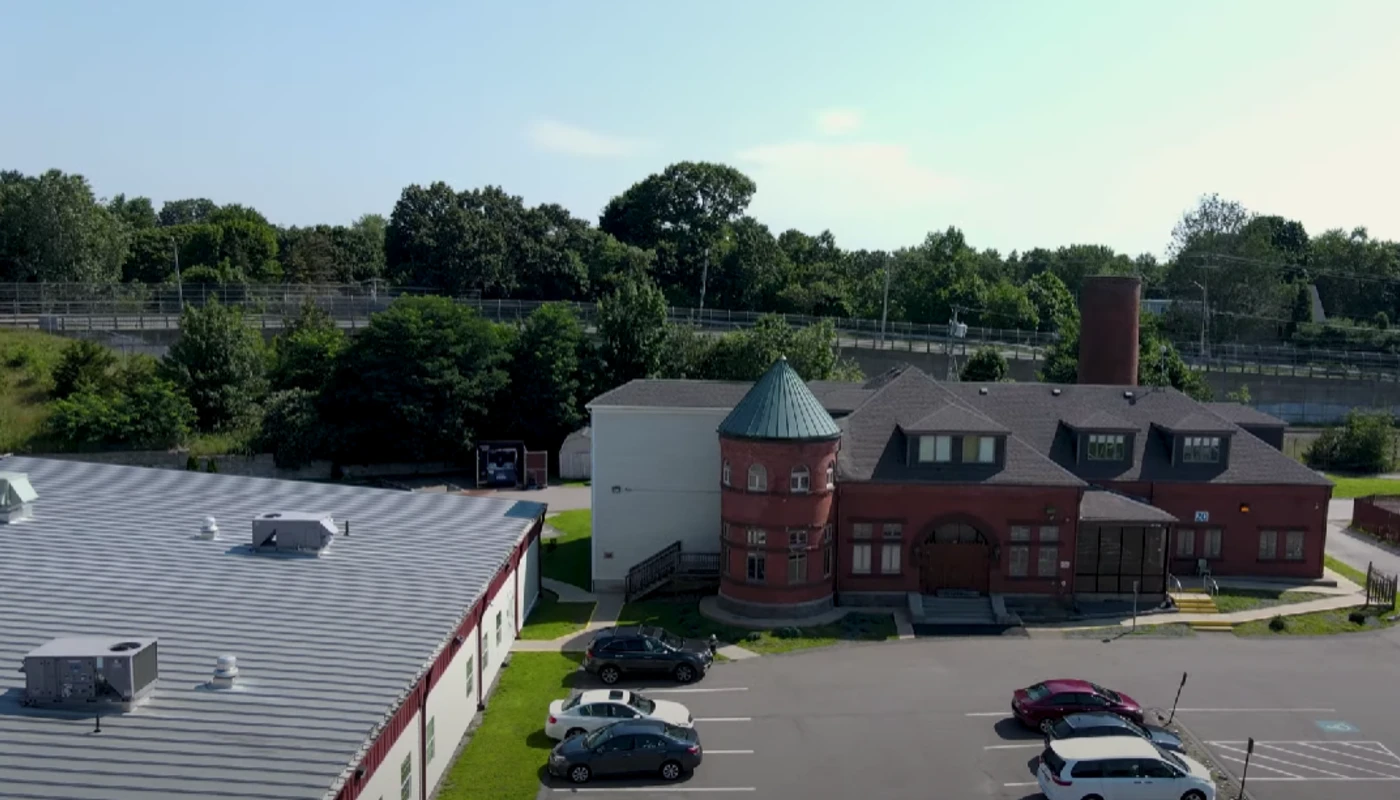
Established in 1996, High Point – Brockton Meadowbrook Campus, formerly known as the Brockton Campus, is a distinguished alcohol and drug rehabilitation center located in Brockton, Massachusetts. This facility offers a comprehensive range of services, including detoxification, clinical stabilization services, and a Section 35 unit exclusively for men.
The detoxification unit at High Point – Brockton Meadowbrook Campus provides a safe and supportive environment for individuals undergoing withdrawal. Patients are monitored 24 hours a day, seven days a week, by a multidisciplinary team of professionals. Treatment modalities in the detox unit include both individual and group counseling sessions, ensuring personalized care and peer support. Additionally, in-house Alcoholics Anonymous (AA) and Narcotics Anonymous (NA) groups are available to patients.
The Clinical Stabilization Services (CSS) unit offers 24-hour care focused on relapse prevention and the development of coping skills. This unit is designed to help patients stabilize their recovery and prepare for the next steps in their treatment journey.
High Point – Brockton Meadowbrook Campus is committed to providing high-quality, compassionate care, utilizing evidence-based practices to support individuals in achieving lasting recovery from substance use disorders.
High Point – Brockton Meadowbrook Campus holds accreditation from The Joint Commission, underscoring its commitment to maintaining the highest standards of patient care and safety.
Treatment Options
The facility offers multiple levels of care, such as:
- Mentoring/peer support
- Housing services
- Discharge Planning
- Employment counseling or training
- Self-help groups
- Naloxone and overdose education
- Outcome follow-up after discharge
- Recovery coach
The center treats the following addictions and co-occurring disorders:
- Alcohol Detoxification
- Benzodiazepines Detoxification
- Cocaine Detoxification
- Methamphetamines detoxification
- Opioids detoxification
- Medication routinely used during detoxification
- Clients with co-occurring mental and substance use disorders
- Pregnant/postpartum women
- Clients with HIV or AIDS
- Clients who have experienced trauma
- Clients who have experienced sexual abuse
- Clients who have experienced intimate partner violence, domestic violence
- Screening for tobacco use
- Comprehensive mental health assessment
- Comprehensive substance use assessment
- Outreach to persons in the community
- Screening for mental disorders
- Screening for substance use
- Complete medical history/physical exam
Treatment Modalities
- Cognitive behavioral therapy
- Telemedicine/telehealth therapy
- Substance use disorder counseling
- Trauma-related counseling
- Smoking/vaping/tobacco cessation counseling
- Treatment for gambling disorder
- Group counseling
- Family counseling
- Marital/couples counseling
- 12-step facilitation
- Intervention Services
- Contingency management/motivational incentives
- Motivational interviewing
- Anger management
- Relapse prevention
- Treatment for other addiction disorder
- Holistic Treatment
- Individual psychotherapy
- Nutrition Therapy
Conditions Treated
- Alcoholism
- 24-Hour Clinical Care
- Mental health treatment
- Substance use treatment
- Co-occurring Disorders
- Opioid Treatement
Levels Of Care
- Outpatient
- Short-term residential
- Outpatient detoxification
- Outpatient methadone/buprenorphine or naltrexone treatment
- Intensive outpatient treatment
- Regular outpatient treatment
- Hospital inpatient detoxification
- Hospital inpatient treatment
- Hospital inpatient/24-hour hospital inpatient
- Aftercare
- Halfway house
License and Accreditation
- State department of health
- SAMHSA certification for opioid treatment program (OTP)
- Drug Enforcement Agency (DEA)
- The Joint Commission
Ancillary Services
- Case management service
- Integrated primary care services
- Suicide prevention services
- Specially designed program for DUI/DWI clients
- Domestic violence services, including family or partner
- Early intervention for HIV
- Mental health services
- Social skills development
- Transportation assistance
- Opioid use disorder clients only
Hope Without Commitment
Find the best treatment options. Call our free and confidential helpline.
Most private insurances accepted