
Fahrman Center – Eau Claire, Wisconsin
3136 Craig Road, Eau Claire, Wisconsin, 54701
Last Updated: November 23, 2026
Insurance
Payment Options
- Aetna
- Blue Cross and Blue Shield Association
- Cigna
- Humana
- Magellan Health
- UnitedHealth Group
- Cash or self-payment
- Medicaid
Addiction Resource Score
Scoring is assigned by a proprietary system which helps surface key metrics that determine quality. The 10-point scale factors in categories such as operations, customer satisfaction, and trust metrics.
We understand that choosing an addiction treatment center can be overwhelming, especially with so many options, promises, and marketing messages. That's why we've developed a clear, standardized rating system designed to cut through the noise and highlight what truly matters: safety, quality of care, and transparency. Our goal is to give individuals and families the information they need to make confident, informed decisions during a critical time.
In this guide, we explain exactly how we rate treatment centers—from accreditation and staff credentials to therapy options, facility environment, and family involvement. You'll see how we assign scores, award badges, and update listings to ensure accuracy and fairness. Most importantly, our system focuses on elevating centers that prioritize ethical, evidence-based care, not just those with the best marketing. This way, you can trust that the ratings you see reflect meaningful standards that help you find the right fit for lasting recovery.
8.0
Out of 10
Facility Overview
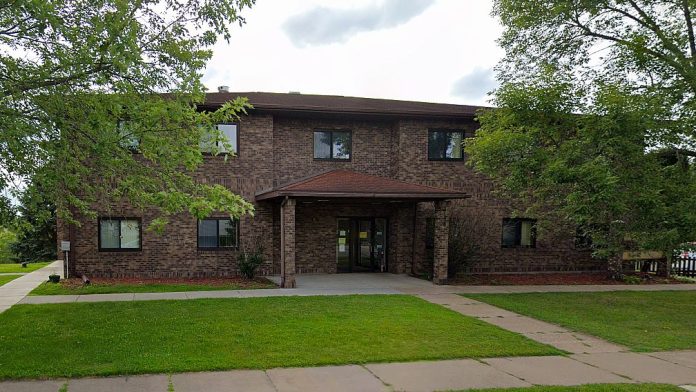
Fahrman Center is a residential substance use disorder treatment facility located at 3136 Craig Road in Eau Claire, Wisconsin. Operated by Lutheran Social Services of Wisconsin and Upper Michigan, the center provides medically monitored residential treatment and transitional residential treatment for adult men and women experiencing alcohol or drug use disorders.
The facility has served individuals in the Chippewa Valley for nearly 50 years and has operated at its current Eau Claire location since 1987. Its longstanding role in the region includes providing structured addiction rehabilitation, recovery-focused counseling, and support for adults preparing to return to their communities.
Fahrman Center is a 42-bed, co-ed community-based residential facility. The organization identifies separate residential accommodations for men and women, allowing the program to serve both populations while maintaining appropriate living arrangements and supervision.
The Wisconsin Department of Health Services certifies Fahrman Center for medically monitored residential treatment under DHS 75.54 and transitional residential treatment under DHS 75.53. Both certifications became effective July 1, 2024, and are listed in the state’s current substance use provider directory.
Medically monitored residential treatment provides structured addiction rehabilitation with clinical oversight for individuals who need more support than standard outpatient treatment. Services focus on stabilizing recovery, addressing substance use behaviors, and developing skills needed to maintain progress.
Transitional residential treatment provides another level of structured care for individuals preparing to return to independent living or less intensive community-based services. This approach emphasizes personal responsibility, recovery planning, relapse prevention, and practical daily living skills.
Because Fahrman Center provides both medically monitored and transitional residential services, eligible patients may move between these levels according to clinical progress and individual treatment needs. The appropriate placement is determined through assessment and ongoing treatment planning.
The facility’s treatment approach includes individual counseling, group counseling, individualized treatment planning, case management, and recovery education. Current recruitment information from Lutheran Social Services confirms that substance use disorder counselors provide individual and group treatment and help residents develop personalized recovery plans.
Historical facility-specific treatment records identify cognitive behavioral therapy, motivational interviewing, relapse prevention, trauma-related counseling, family counseling, and 12-step facilitation among treatment approaches. Availability of individual therapeutic methods should be confirmed with the current clinical team.
Fahrman Center also serves individuals whose substance use disorders are accompanied by criminal justice involvement or other circumstances that complicate recovery. Lutheran Social Services identifies restorative justice and community reintegration as components of its broader addiction treatment work.
The organization’s published operational information describes a residential environment with awake staff supervision 24 hours a day, seven days a week. This continuous residential supervision supports daily structure, resident safety, and accountability during treatment.
Fahrman Center is included in Lutheran Social Services’ facility improvement initiative, which identifies plans for trauma-informed renovations. Proposed improvements include more comfortable common spaces, private quiet areas, updated furnishings, and enhancements to recreation, restrooms, and other residential areas. These improvements should not be described as completed unless independently confirmed.
Although some historical directories categorize Fahrman Center as providing hospital inpatient treatment or medical detoxification, current Wisconsin certification identifies residential treatment rather than a separately licensed hospital inpatient or withdrawal management program. Patients requiring acute medical detoxification should confirm whether a different facility is necessary.
Fahrman Center accepts Wisconsin Medicaid, individual self-payment, and referrals or funding arrangements through participating county human services departments. Prospective patients can contact the facility for referral information and eligibility requirements.
The center is located at 3136 Craig Road, Eau Claire, WI 54701. Its telephone number is 715-835-9110. Individuals seeking admission should contact Fahrman Center directly to discuss treatment needs, referral requirements, available beds, and payment arrangements.
Who This Facility Is For
Fahrman Center serves adult men and women who need structured residential treatment for alcohol or drug use disorders. The program may be appropriate for individuals who have difficulty maintaining recovery in their current environment, need regular clinical support, or would benefit from a supervised setting focused on addiction rehabilitation and behavioral change.
The center also serves adults preparing to transition from more intensive treatment into community living, including individuals facing challenges involving employment, housing, relationships, or criminal justice involvement. Patients with co-occurring mental health concerns may receive assessment, counseling, case management, and coordinated support according to their needs and the facility’s clinical capabilities.
- Alcohol use disorder
- Opioid use disorder
- Prescription opioid misuse
- Other prescription drug misuse
- Stimulant use disorder
- Cocaine-related substance use
- Methamphetamine-related substance use
- Cannabis use disorder
- Other drug use disorders
- Polysubstance use
- Repeated substance use relapse
- Substance cravings
- Co-occurring substance use and mental health concerns
- Trauma-related recovery difficulties
- Anger management needs
- Emotional regulation difficulties
- Limited recovery support
- Housing instability affecting recovery
- Employment-related recovery barriers
- Criminal justice-related treatment needs
- Independent living skills development
- Relapse prevention planning
- Community reintegration needs
- Continuing residential treatment needs
These conditions describe the facility’s general addiction treatment focus and needs identified in historical records. They do not establish the availability of specialized medical treatment for every substance or condition. Patients requiring acute withdrawal management, hospital care, or intensive psychiatric services should be evaluated for an appropriate level of care.
- Adults aged 18 and older
- Young adults aged 18 and older
- Adult men
- Adult women
- Individuals with alcohol addiction
- Individuals with drug addiction
- Individuals with multiple substance use disorders
- Individuals needing medically monitored residential treatment
- Individuals needing transitional residential treatment
- Individuals with co-occurring mental health concerns
- Individuals with trauma histories
- Individuals experiencing repeated relapse
- Individuals involved in the criminal justice system
- Individuals with correctional or restorative justice needs
- Individuals with limited community recovery support
- Individuals requiring case management
- Individuals preparing for independent living
- Individuals requiring community reintegration support
Historical federal treatment records also identify veterans, active-duty military personnel, military family members, pregnant or postpartum women, individuals with HIV or AIDS, and people who have experienced sexual abuse or domestic violence. Current dedicated programs or admission arrangements for these populations have not been independently verified.
Although the facility serves both men and women, it provides separate residential accommodations. Patients should contact admissions regarding room availability, individual accommodation needs, and any restrictions that may affect placement.
- Substance use disorder assessment
- Substance use screening
- Individualized treatment planning
- Medically monitored residential treatment
- Transitional residential treatment
- Structured residential rehabilitation
- 24-hour residential staff supervision
- Individual substance use counseling
- Group substance use counseling
- Family counseling
- Individual psychotherapy
- Cognitive behavioral therapy
- Motivational interviewing
- Motivational incentives
- Contingency management
- Trauma-related counseling
- Anger management
- Relapse prevention
- 12-step facilitation
- Recovery education
- Case management
- Services coordination
- Co-occurring disorder support
- Social skills development
- Independent living skills development
- Personal accountability development
- Community reintegration planning
- Criminal justice-related recovery support
- Restorative justice programming
- Peer recovery support
- Recovery coaching
- Self-help group referrals
- Housing resource coordination
- Employment-related resource referrals
- Family and community support planning
- Overdose prevention education
- Naloxone education
- Discharge planning
- Continuing care coordination
- Post-discharge follow-up
Medically monitored residential treatment is one of Fahrman Center’s two state-certified substance use treatment levels. This program provides a structured residential environment with clinical support for adults whose addiction treatment needs cannot be adequately addressed through routine outpatient services.
Wisconsin DHS 75.54 certification establishes the facility’s medically monitored residential treatment authorization. However, this designation should not be interpreted as confirmation of a hospital inpatient detoxification unit or a separately certified withdrawal management service.
Transitional residential treatment is the facility’s second state-certified level of care. This service helps residents develop the skills, stability, and recovery supports needed to transition into community living.
Patients may work on independent living skills, personal accountability, healthy routines, relapse prevention, and practical challenges affecting recovery. Treatment plans may also address housing, employment, and relationships.
Fahrman Center maintains a 42-bed residential environment serving adult men and women. Its published operational information describes separate residential units and around-the-clock awake staff supervision.
Individual counseling allows residents to address substance use history, recovery goals, behavioral patterns, and challenges that may contribute to relapse. Current employer recruitment information confirms that substance use counselors provide individualized treatment and ongoing support.
Group counseling provides opportunities for residents to learn recovery skills, discuss addiction-related challenges, and receive support from others participating in treatment. Group participation may also strengthen communication, personal responsibility, and healthy interpersonal relationships.
Historical facility records identify cognitive behavioral therapy and motivational interviewing among treatment methods. Cognitive behavioral therapy may help patients recognize relationships between thoughts, behaviors, and substance use, while motivational interviewing supports readiness for change.
Trauma-related counseling, anger management, motivational incentives, and 12-step facilitation are also documented in historical treatment information. The availability of these interventions depends on the current clinical program and individual treatment plans.
Fahrman Center provides treatment in a setting that may serve individuals with both substance use disorders and correctional or criminogenic needs. Lutheran Social Services’ broader restorative justice programs address behavioral change, accountability, and successful reintegration into the community.
Case management can help residents identify practical barriers to recovery, coordinate appropriate services, and prepare for the transition from residential treatment. This may include connections to community behavioral health providers, recovery groups, housing resources, and other supports.
Historical treatment records identify peer support, recovery coaching, self-help group referrals, employment assistance, and social skills development. These services may be available directly or through community referral arrangements.
Medication-assisted treatment is mentioned in some third-party facility directories, including references to Vivitrol. However, the current official residential program description does not independently confirm on-site prescribing or administration of specific addiction medications.
Patients seeking methadone, buprenorphine, injectable naltrexone, or other medication-assisted treatment should ask whether medication can be continued, initiated, or coordinated through an outside healthcare provider.
Lutheran Social Services has identified Fahrman Center for a trauma-informed renovation initiative. Planned environmental improvements are intended to support a comfortable and recovery-focused residential setting, but completion of specific renovation projects should be verified before publication.
Discharge and continuing care planning help residents prepare for treatment completion. Depending on individual needs, recommendations may include outpatient addiction counseling, peer support, recovery meetings, mental health services, housing resources, or other community-based assistance.
The facility offers medically monitored residential treatment and transitional residential treatment. Placement depends on the level of clinical support required and the individual’s recovery goals.
Fahrman Center accepts referrals through participating county human services departments and also identifies Medicaid and individual self-payment as payment options. Prospective residents should contact the facility to determine whether a referral or other authorization is necessary.
Residential admission depends on available beds and the program’s ability to meet the individual’s clinical needs. The facility has a total capacity of 42 residents, with separate living arrangements for men and women.
Patients experiencing severe alcohol withdrawal, complicated benzodiazepine withdrawal, acute medical instability, or other conditions requiring hospital-level treatment should undergo appropriate medical evaluation before entering residential rehabilitation.
The current state certification does not identify Fahrman Center as a separately licensed hospital inpatient or withdrawal management facility. Individuals requiring acute detoxification should confirm whether stabilization at another medical provider is necessary.
Individuals with co-occurring mental health concerns may receive treatment planning and coordinated support. Patients requiring intensive psychiatric stabilization or emergency behavioral healthcare may need referral to a higher level of care.
Patients with criminal justice involvement should disclose applicable supervision conditions, referral requirements, and treatment documentation needs. Eligibility for correctional or restorative justice-related placement depends on the relevant program and referral arrangements.
Individuals taking medications for opioid use disorder or other ongoing health conditions should discuss their prescriptions before admission. The facility’s current medication management and outside-provider coordination policies should be verified directly.
Prospective residents should ask about required identification, medical documentation, insurance information, personal belongings, transportation, residential rules, and expected treatment duration.
For referral information, residential placement, and admissions requirements, contact Fahrman Center at 715-835-9110.
Insurance and Payment Options
Fahrman Center accepts Wisconsin Medicaid and individual cash or self-payment, according to the current official Lutheran Social Services residential treatment page. The provider also contracts with participating county Department of Human Services units for residential addiction treatment.
County-funded treatment arrangements may be available to eligible individuals through participating local human services agencies. Eligibility, authorization requirements, and financial responsibility depend on the applicable county contract and referral process.
Some third-party treatment directories identify Medicare and commercial insurers, including Aetna, Cigna, and UnitedHealthcare. However, these arrangements are not confirmed on the provider’s current official Fahrman Center page and should not be represented as verified insurance acceptance.
Medicaid beneficiaries may need to verify eligibility, managed care participation, referral requirements, and any authorization needed before residential admission.
Individuals referred through county human services departments should ask whether treatment costs are covered by an existing county contract and whether additional financial eligibility requirements apply.
Patients choosing self-payment should request an estimate of residential treatment costs, including the expected length of stay, daily or program rates, and any additional charges.
Individuals with Medicare or private commercial insurance should contact the facility directly before assuming that their plan is accepted. Third-party directory listings are not sufficient confirmation of current network participation.
Coverage for residential substance use treatment may differ from coverage for outpatient counseling, hospital detoxification, or medication-assisted treatment. Patients should verify benefits for the specific service they are seeking.
Individuals who require medication management or healthcare services outside Fahrman Center should ask whether those services involve separate insurance coverage, prescriptions, or out-of-pocket expenses.
Patients with limited financial resources should ask about county-funded placement, Medicaid eligibility, and any other financial assistance arrangements that may be available through Lutheran Social Services or local agencies.
Before admission, patients should confirm the expected treatment duration, financial responsibilities, referral requirements, and whether additional authorizations are needed when transitioning between residential treatment levels.
For current payment arrangements, county referrals, Medicaid verification, and admissions information, contact Fahrman Center at 715-835-9110.
Treatment Options
The facility offers multiple levels of care, such as:
- Mentoring/peer support
- Housing services
- Discharge Planning
- Employment counseling or training
- Self-help groups
- Naloxone and overdose education
- Outcome follow-up after discharge
- Recovery coach
The center treats the following addictions and co-occurring disorders:
- Clients with co-occurring mental and substance use disorders
- Veterans
- Active duty military
- Members of military families
- Criminal justice (other than DUI/DWI)/Forensic clients
- Pregnant/postpartum women
- Clients with HIV or AIDS
- Clients who have experienced trauma
- Clients who have experienced sexual abuse
- Clients who have experienced intimate partner violence, domestic violence
- Clients with co-occurring pain and substance use disorders
- Screening for tobacco use
- Comprehensive substance use assessment
- Screening for substance use
- Professional interventionist/educational consultant
Treatment Modalities
- Cognitive behavioral therapy
- Substance use disorder counseling
- Trauma-related counseling
- Treatment for gambling disorder
- Group counseling
- Family counseling
- 12-step facilitation
- Intervention Services
- Contingency management/motivational incentives
- Motivational interviewing
- Anger management
- Relapse prevention
- Holistic Treatment
- Individual psychotherapy
Conditions Treated
- Alcoholism
- Substance use treatment
Levels Of Care
- Hospital inpatient treatment
- Short-term residential
- Long-term residential
- Aftercare
- Halfway house
License and Accreditation
- State department of health
Ancillary Services
- Case management service
- Social skills development
Hope Without Commitment
Find the best treatment options. Call our free and confidential helpline.
Most private insurances accepted