
Crossroads – Children and Mothers Program – Windham, Maine
114 Main Street, Windham, Maine, 04062
Last Updated: November 23, 2026
Insurance
Payment Options
- Cash or self-payment
- Medicaid
- Private health insurance
- Federal, or any government funding for substance use treatment programs
- IHS/Tribal/Urban (ITU) funds
- SAMHSA funding/block grants
Addiction Resource Score
Scoring is assigned by a proprietary system which helps surface key metrics that determine quality. The 10-point scale factors in categories such as operations, customer satisfaction, and trust metrics.
We understand that choosing an addiction treatment center can be overwhelming, especially with so many options, promises, and marketing messages. That's why we've developed a clear, standardized rating system designed to cut through the noise and highlight what truly matters: safety, quality of care, and transparency. Our goal is to give individuals and families the information they need to make confident, informed decisions during a critical time.
In this guide, we explain exactly how we rate treatment centers—from accreditation and staff credentials to therapy options, facility environment, and family involvement. You'll see how we assign scores, award badges, and update listings to ensure accuracy and fairness. Most importantly, our system focuses on elevating centers that prioritize ethical, evidence-based care, not just those with the best marketing. This way, you can trust that the ratings you see reflect meaningful standards that help you find the right fit for lasting recovery.
8.0
Out of 10
Facility Overview
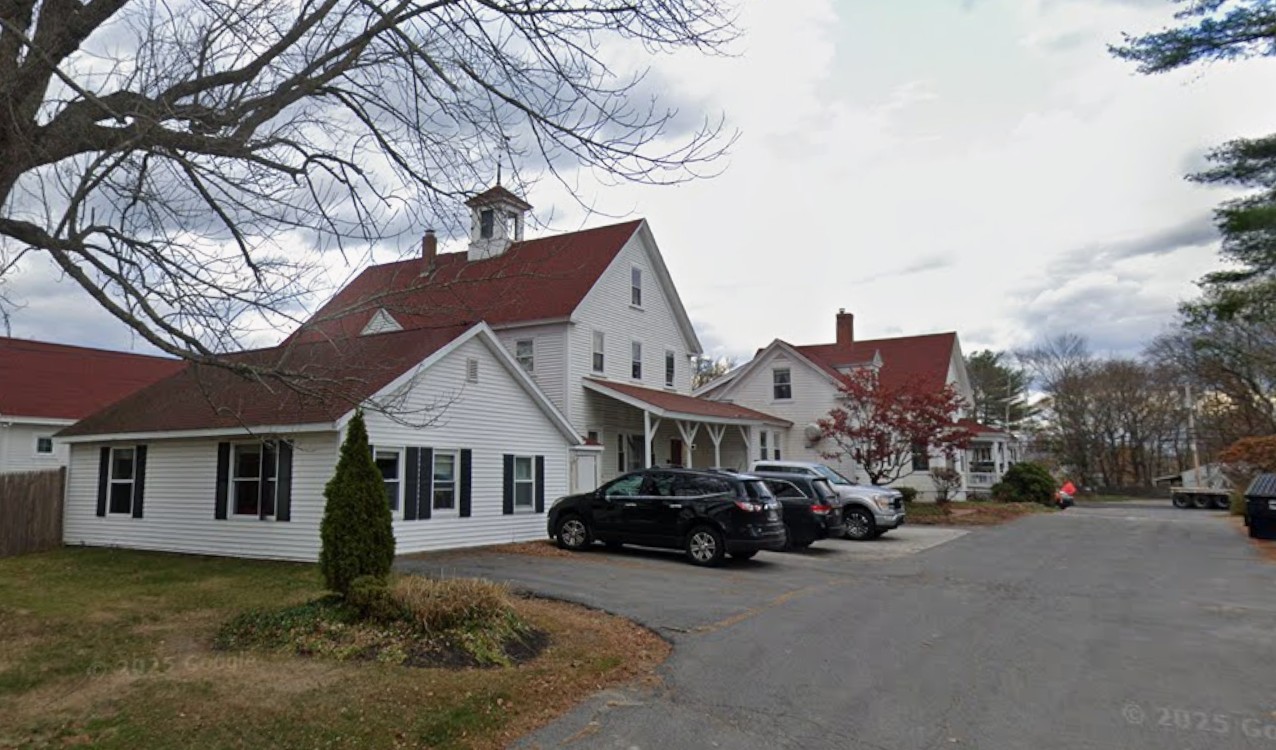
Crossroads for Women – Children and Mothers Program (CAMP) is a specialized residential addiction treatment program located at 114 Main Street in Windham, Maine. The program helps pregnant women and mothers with young children receive substance use disorder treatment while maintaining important family relationships.
CAMP is operated by Crossroads for Women, a nonprofit addiction and behavioral health treatment organization serving Maine since 1974. The organization provides gender-responsive treatment that recognizes the relationship between addiction, mental health, trauma, family responsibilities, and recovery.
The Children and Mothers Program began in 1995. Crossroads identifies it as Maine’s only licensed, nationally accredited residential addiction treatment program offering on-site living arrangements and childcare for mothers and their children.
The program is designed to address a common barrier to addiction treatment: the difficulty of entering residential rehabilitation while caring for young children.
Rather than requiring every mother to separate from her children during treatment, CAMP provides an environment where eligible mothers and children can live together while the mother participates in clinical services.
The program accepts women at any stage of pregnancy, mothers with children under five years old, and eligible women working toward family reunification.
Admission and arrangements for children depend on assessment, program requirements, and available accommodations. Prospective patients should confirm their specific circumstances with the residential admissions team.
CAMP combines substance use counseling with mental health support, parenting education, childcare, case management, and recovery planning.
Crossroads uses a trauma-informed, gender-responsive treatment philosophy. Its clinical approach recognizes that experiences involving relationships, parenting, trauma, and emotional health can influence addiction and recovery.
The program addresses substance use disorders and co-occurring mental health concerns through individualized treatment planning.
Each mother receives an assessment to determine her treatment needs and whether CAMP is an appropriate placement. After admission, she works with a clinician to establish an individualized treatment plan.
Individual counseling is an important component of the program. Crossroads states that CAMP participants meet with an assigned licensed clinician each week to address substance use, mental health concerns, and personal treatment goals.
The program also provides women-only group counseling. Group sessions allow participants to discuss experiences, develop coping skills, build relationships, and learn from other mothers in recovery.
Historical treatment records identify cognitive behavioral therapy, motivational interviewing, contingency management, relapse prevention, and trauma-related counseling among approaches associated with the Windham program.
These interventions support behavioral change, emotional awareness, treatment motivation, and strategies for maintaining recovery after residential care.
Parenting education is a distinguishing component of CAMP. Mothers learn about child development, communication, healthy relationships, and age-appropriate care.
The program addresses the needs of newborns, infants, toddlers, and preschool-age children, including developmental milestones and methods of strengthening the mother-child bond.
Crossroads provides a licensed on-site daycare for children aged six weeks and older. Childcare allows mothers to attend counseling, recovery groups, parenting classes, and other treatment activities.
Children participating in daycare receive developmentally appropriate activities while their mothers attend treatment.
The program also assesses children living in the residence to identify possible medical or developmental concerns. When needed, staff help mothers connect with appropriate healthcare professionals or specialists.
Pregnant participants receive assistance connecting with medical and obstetric care. Crossroads supports women in establishing healthcare relationships and preparing for the needs of their babies.
The organization explains that some women may enter treatment while pregnant, deliver their babies, and return to CAMP with their children to continue recovery.
Case management is integrated into residential treatment. Dedicated case managers work with mothers to identify practical needs that could affect recovery and family stability.
These needs may include housing after discharge, primary care, obstetric services, public assistance, additional treatment, and healthcare for children.
Case managers help participants develop service plans and connect with community resources. This support is intended to reduce barriers that might otherwise interfere with recovery after leaving the residential program.
Crossroads emphasizes family involvement, personal responsibility, and the development of practical coping skills. The goal is to help mothers strengthen their recovery while building a safer and more stable environment for their children.
The Windham CAMP location is a residential rehabilitation program. Crossroads operates additional outpatient, intensive outpatient, partial hospitalization, and specialized residential services at other locations in Maine.
Those additional programs should not automatically be classified as services provided within the CAMP residence.
Crossroads is CARF-accredited and a member of the National Association of Addiction Treatment Providers. Its specialized residential programming reflects the organization’s long-standing focus on women’s addiction and behavioral health treatment.
Prospective patients can contact Crossroads at 877-978-1667 or residential admissions at 207-773-9931, extension 120, to discuss treatment eligibility, accommodation for children, insurance, and admission arrangements.
Who This Facility Is For
Crossroads CAMP serves pregnant women and mothers with young children who need structured residential treatment for alcohol or drug use disorders. The program may be appropriate for women who cannot easily separate from their children during rehabilitation, women experiencing co-occurring mental health or trauma-related concerns, and mothers seeking to improve parenting skills while establishing long-term recovery.
The program also considers eligible women working toward family reunification. CAMP is particularly relevant to mothers needing childcare, parenting education, healthcare coordination, and housing-related assistance alongside addiction treatment. It is not designed as a general adult coeducational rehabilitation center, pediatric addiction program, or hospital-based detoxification unit.
- Alcohol use disorder
- Drug use disorders
- Opioid use disorder
- Prescription drug misuse
- Stimulant use disorders
- Polysubstance use
- Repeated substance use relapse
- Difficulty maintaining sobriety
- Substance use cravings and triggers
- Co-occurring mental health and substance use disorders
- Trauma-related emotional concerns
- Post-traumatic stress disorder-related concerns
- Anxiety and depression affecting recovery
- Emotional regulation difficulties
- Limited coping skills
- Pregnancy-related addiction treatment needs
- Postpartum recovery concerns
- Parenting-related stress
- Difficulty maintaining family relationships
- Mother-child attachment concerns
- Limited parenting knowledge
- Need for child development education
- Need for prenatal healthcare coordination
- Need for pediatric healthcare coordination
- Child developmental concerns requiring referral
- Family reunification-related support needs
- Housing instability following treatment
- Difficulty accessing public assistance
- Limited community recovery support
- Relapse prevention and aftercare needs
The program’s focus on these concerns does not mean it provides a separate specialized clinical service for every diagnosis or medical condition.
Pregnant patients and mothers with significant medical needs should discuss their circumstances with the admissions team so appropriate healthcare arrangements can be considered.
Individuals experiencing medically dangerous withdrawal symptoms or acute psychiatric emergencies may require treatment in a medical setting before entering residential rehabilitation.
- Adult women
- Young adult women
- Pregnant women
- Postpartum women
- New mothers
- Mothers with infants
- Mothers with toddlers
- Mothers with preschool-age children
- Women with children under five years old
- Women working toward family reunification
- Women experiencing alcohol addiction
- Women experiencing drug addiction
- Women with co-occurring mental health concerns
- Women with trauma histories
- Women needing residential addiction treatment
- Women requiring parenting education
- Women needing childcare during treatment
- Women requiring prenatal healthcare coordination
- Women needing postpartum recovery support
- Women requiring case management
- Women experiencing housing-related barriers
- Women needing community resource referrals
- Women requiring continuing recovery support
The provider identifies pregnancy, children under five, and family reunification as important eligibility circumstances. Child placement and accommodation arrangements must be reviewed individually.
Children residing with their mothers receive childcare and developmental support, but they are not themselves enrolled as adult addiction treatment patients.
Crossroads provides other services for men and women through separate outpatient programs. The CAMP residential program itself is designed for women.
- Residential addiction treatment
- Short-term residential rehabilitation
- Long-term residential rehabilitation
- Comprehensive substance use assessment
- Mental health screening
- Comprehensive mental health assessment
- Individualized treatment planning
- Integrated substance use and mental health treatment
- Individual substance use counseling
- Individual psychotherapy
- Women-only group counseling
- Family counseling
- Couples counseling
- Cognitive behavioral therapy
- Motivational interviewing
- Contingency management and motivational incentives
- Trauma-related counseling
- Relapse prevention counseling
- Anger management
- Substance use education
- Recovery skills development
- Parenting education
- Newborn care education
- Infant care education
- Toddler development education
- Preschool child development education
- Mother-child relationship support
- Family reunification support
- Licensed on-site childcare
- Developmentally appropriate children’s activities
- Child developmental needs assessment
- Pediatric healthcare referrals
- Prenatal healthcare coordination
- Obstetric and gynecological care referrals
- Postpartum support coordination
- Case management
- Housing-related discharge planning
- Public assistance referrals
- Primary care referrals
- Community resource coordination
- Social skills development
- Peer support
- Self-help group participation
- Naloxone and overdose prevention education
- Smoking and tobacco cessation counseling
- Discharge planning
- Aftercare coordination
- Continuing recovery referrals
Residential treatment is the central clinical service at CAMP. Mothers live in a structured recovery environment while participating in addiction counseling and related activities.
The program is intended to reduce the need for separation between mothers and their young children during treatment.
Before admission, Crossroads conducts an assessment to determine the woman’s substance use and mental health needs and whether the program is appropriate.
Each participant develops a personalized treatment plan with her clinician after entering the program.
Crossroads states that CAMP participants meet with an assigned licensed clinician each week for individual counseling.
These sessions address substance use, mental health concerns, personal experiences, and treatment goals that may require individual attention.
Women-only group therapy is also a regular part of the residential program.
Group counseling provides opportunities to discuss feelings, practice communication, build supportive relationships, and develop recovery skills.
Crossroads emphasizes a relational approach to treatment, recognizing the importance of relationships and emotional connection in women’s recovery.
Historical federal records identify cognitive behavioral therapy among treatment approaches associated with CAMP.
CBT-based interventions may help participants identify thoughts and behaviors that contribute to substance use and develop healthier coping strategies.
Motivational interviewing is also historically documented. This approach helps participants explore their reasons for recovery and strengthen motivation for change.
Contingency management and motivational incentives appear in historical records. Their current use should be confirmed with the clinical team.
Trauma-related counseling addresses the influence of difficult or traumatic experiences on emotional health and recovery.
Relapse prevention counseling helps mothers recognize substance use triggers and develop strategies for maintaining recovery after leaving the residential program.
Parenting education is a defining component of CAMP. Participants receive information about caring for children at different developmental stages.
Educational topics include newborn care, infant development, toddler needs, preschool development, and age-appropriate parenting expectations.
Mothers also learn about nurturing communication and strengthening relationships with their children.
The provider emphasizes development of a healthy mother-child bond as part of the family’s recovery process.
CAMP provides a licensed on-site daycare for eligible children aged six weeks and older.
Daycare services allow mothers to attend counseling, support groups, parenting classes, and other treatment activities while their children receive supervision.
Children participate in developmentally appropriate activities during their time in daycare.
Crossroads assesses children living in the residence to identify possible medical or developmental needs.
When concerns are identified, staff help mothers connect with pediatric healthcare professionals or other specialists.
Pregnant women receive assistance locating medical and obstetric care as needed.
Crossroads also helps expectant mothers establish healthier routines and prepare for the arrival of their babies.
The organization explains that some participants may deliver their babies during the treatment period and subsequently return to CAMP to continue recovery.
Case management is another central part of the program.
Dedicated case managers work with each participant to identify personal and family needs that may affect recovery and stability.
These needs may include housing, medical care, obstetric services, public assistance, or additional treatment following discharge.
Case managers develop service plans and help participants access community resources.
Children’s healthcare needs may also be included in case management planning, such as vaccinations, well-child visits, or specialist referrals.
Housing planning is particularly important for mothers preparing to leave residential treatment with their children.
Crossroads may help participants identify housing resources and other community supports needed for a more stable transition.
Historical federal records identify peer support, self-help groups, overdose prevention education, and smoking cessation counseling among supportive services associated with CAMP.
Current availability of individual supportive services should be verified with the residential program.
Crossroads also provides other levels of care, including outpatient counseling and intensive outpatient treatment, through separate programs.
These services may be considered during continuing care planning when clinically appropriate.
The CAMP residence should not be described as a hospital inpatient unit or medical detoxification center based solely on older directory classifications.
Discharge planning aims to help mothers maintain recovery while continuing to meet their own needs and those of their children.
The provider identifies women at any stage of pregnancy, mothers with children under five years old, and eligible women working toward family reunification among prospective participants.
Admission begins with an assessment of substance use, mental health, pregnancy-related needs, parenting circumstances, and the appropriateness of residential treatment.
Prospective patients can contact Crossroads at 877-978-1667 or residential admissions at 207-773-9931, extension 120.
Women seeking admission with children should discuss each child’s age, healthcare needs, and accommodation requirements before arrival.
The program provides licensed daycare for children aged six weeks and older. The availability of care for younger infants and specific accommodation arrangements should be confirmed individually.
Pregnant applicants should provide relevant information about prenatal care and medical needs so appropriate healthcare coordination can be arranged.
Women seeking family reunification should discuss their circumstances with admissions, including any relevant placement or legal requirements.
Residential admission depends on clinical suitability, available accommodations, and the program’s ability to meet the needs of the mother and child.
Patients requiring medically supervised withdrawal management should confirm whether stabilization at another healthcare facility is necessary before entering CAMP.
The program is designed for women. Crossroads’ separate outpatient services may serve other populations, but those services are not equivalent to admission to CAMP.
Prospective participants should ask about residential rules, childcare arrangements, visitation, approved belongings, medication policies, and family contact.
Applicants should also verify the expected length of stay, insurance requirements, financial responsibility, and discharge planning procedures.
For residential admission information, contact 207-773-9931, extension 120.
Insurance and Payment Options
Crossroads for Women works with private health insurance companies and provides insurance verification through its admissions department.
The organization’s official insurance page identifies companies including Aetna, Cigna, Anthem Blue Cross Blue Shield, UnitedHealthcare, Optum, Harvard Pilgrim, and Tufts Health among insurers represented in its verification process.
Historical SAMHSA records and treatment directories identify Medicaid, private health insurance, and cash or self-payment as payment arrangements associated with the Windham Children and Mothers Program.
Historical records also identify government funding, SAMHSA block grants, and Indian Health Service or Tribal/Urban funding. These are funding sources rather than conventional insurance policies.
Insurance coverage and financial assistance eligibility should be confirmed for CAMP specifically, since payment arrangements may differ across Crossroads’ residential and outpatient programs.
Private insurance acceptance does not guarantee that every policy covers residential addiction treatment or the full anticipated length of stay.
Patients should ask whether their insurance requires prior authorization or documentation of medical necessity.
Medicaid is identified in historical treatment records. MaineCare beneficiaries should confirm current coverage and eligibility directly with the admissions team.
Patients with Aetna, Cigna, Anthem, UnitedHealthcare, Optum, Harvard Pilgrim, Tufts, or other insurers should request current plan-specific verification.
Cash or self-payment is historically documented. Uninsured applicants should request current rates and information about any available funding assistance.
Patients should ask whether childcare and children’s accommodation are included in the residential program’s financial arrangements.
Pregnant participants should confirm how prenatal appointments, obstetric services, laboratory testing, and other medical expenses are covered.
Parents should also clarify whether pediatric care, vaccinations, and specialist appointments for their children are billed through separate healthcare providers.
Historical government funding and grant arrangements may have eligibility restrictions or limited availability.
Insurance authorization for residential rehabilitation should not be assumed to cover separate outpatient or intensive outpatient services after discharge.
Patients should verify expected deductibles, copayments, coinsurance, and other financial responsibilities before admission.
For current payment arrangements and insurance verification, contact Crossroads at 877-978-1667 or residential admissions at 207-773-9931, extension 120.
Treatment Options
The facility offers multiple levels of care, such as:
- Mentoring/peer support
- Housing services
- Discharge Planning
- Self-help groups
- Naloxone and overdose education
- Recovery coach
The center treats the following addictions and co-occurring disorders:
- Clients with co-occurring mental and substance use disorders
- Pregnant/postpartum women
- Clients who have experienced trauma
- Screening for tobacco use
- Comprehensive substance use assessment
- Screening for mental disorders
- Screening for substance use
- Comprehensive mental health assessment
Treatment Modalities
- Cognitive behavioral therapy
- Substance use disorder counseling
- Trauma-related counseling
- Smoking/vaping/tobacco cessation counseling
- Group counseling
- Family counseling
- Marital/couples counseling
- Contingency management/motivational incentives
- Motivational interviewing
- Anger management
- Relapse prevention
- Individual psychotherapy
Conditions Treated
- Alcoholism
- Mental health treatment
- Substance use treatment
- Co-occurring Disorders
Levels Of Care
- Hospital inpatient treatment
- Short-term residential
- Long-term residential
- Residential detoxification
- Aftercare
License and Accreditation
- State mental health department
- Commission on Accreditation of Rehabilitation Facilities (CARF)
- NAATP
Ancillary Services
- Residential beds for client’s children
- Child care for client’s children
- Mental health services
- Social skills development
Hope Without Commitment
Find the best treatment options. Call our free and confidential helpline.
Most private insurances accepted