
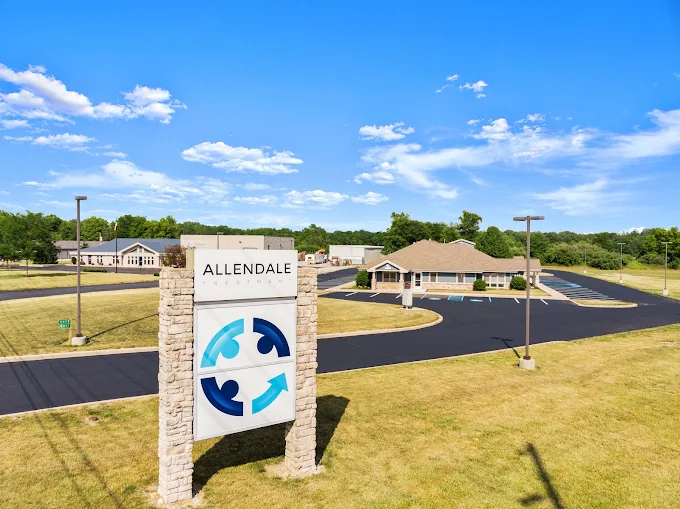
Allendale Treatment – Auburn, Indiana
5419 County Road 427, Auburn, Indiana, 46706
Last Updated: November 23, 2026
Insurance
Payment Options
- Private health insurance
- Cash or self-payment
- Aetna
- Blue Cross Blue Shield
- Cigna
- UnitedHealthcare
- Humana
- UMR
Addiction Resource Score
Scoring is assigned by a proprietary system which helps surface key metrics that determine quality. The 10-point scale factors in categories such as operations, customer satisfaction, and trust metrics.
We understand that choosing an addiction treatment center can be overwhelming, especially with so many options, promises, and marketing messages. That's why we've developed a clear, standardized rating system designed to cut through the noise and highlight what truly matters: safety, quality of care, and transparency. Our goal is to give individuals and families the information they need to make confident, informed decisions during a critical time.
In this guide, we explain exactly how we rate treatment centers—from accreditation and staff credentials to therapy options, facility environment, and family involvement. You'll see how we assign scores, award badges, and update listings to ensure accuracy and fairness. Most importantly, our system focuses on elevating centers that prioritize ethical, evidence-based care, not just those with the best marketing. This way, you can trust that the ratings you see reflect meaningful standards that help you find the right fit for lasting recovery.
8.8
Out of 10
Facility Overview
Allendale Treatment is an addiction and behavioral health treatment facility located at 5419 County Road 427 in Auburn, Indiana. The center provides medically supervised detoxification, residential substance use treatment, and structured recovery services for adults experiencing alcohol or drug addiction. Its approach combines medical stabilization, behavioral health counseling, individualized treatment planning, and support for co-occurring mental health disorders.
The Auburn location is operated by Allendale, LLC and is accredited by The Joint Commission for behavioral health care and human services. The accreditation record specifically identifies medically managed residential services, clinically managed high-intensity residential treatment for adults, partial hospitalization, and intensive outpatient treatment at this address. Indiana’s Division of Mental Health and Addiction also lists the Auburn facility as an active addiction services provider and subacute stabilization facility.
Allendale provides medical detoxification for patients experiencing withdrawal from alcohol, opioids, benzodiazepines, stimulants, and other substances when clinically appropriate. During detoxification, patients receive monitoring and individualized medical support. Patients who need additional stabilization and recovery treatment may transition into residential rehabilitation or another appropriate level of care.
The facility’s treatment model addresses both substance use and related behavioral health concerns. Published program information identifies depression, anxiety, post-traumatic stress disorder, bipolar disorder, obsessive-compulsive disorder, and other co-occurring conditions among the mental health needs considered during treatment. The center emphasizes trauma-informed care and individualized assessments rather than a single standardized recovery plan.
Clinical programming includes individual counseling, group therapy, family involvement, cognitive behavioral therapy, motivational interviewing, relapse prevention, and recovery education. Medication-based treatment and psychiatric support may also be incorporated according to clinical assessment and prescribing requirements.
The Auburn facility offers residential accommodations and recovery-oriented amenities intended to support daily routines during treatment. Published descriptions identify comfortable lodging, recreational activities, wellness services, and structured opportunities for peer interaction. Specific accommodations and activities may vary by program and availability.
Allendale Treatment also maintains facilities in Fort Wayne and Carmel, Indiana. Patients should confirm which services are provided at the Auburn campus and whether continuing outpatient care will occur at Auburn or another location. Admissions and insurance verification are available through the organization’s published contact number.
Who This Facility Is For
Allendale Treatment serves adults who need professional care for substance use disorders, including individuals requiring medically supervised withdrawal management or structured residential rehabilitation. Its services may also be appropriate for patients experiencing addiction alongside mental health symptoms, trauma-related difficulties, or recurring relapse.
- Alcohol use disorder
- Opioid use disorder
- Heroin addiction
- Prescription opioid dependence
- Benzodiazepine dependence
- Cocaine addiction
- Methamphetamine addiction
- Polysubstance use
- Alcohol withdrawal
- Opioid withdrawal
- Benzodiazepine withdrawal
- Stimulant withdrawal
- Co-occurring mental health disorders
- Depression
- Anxiety
- Post-traumatic stress disorder
- Trauma-related concerns
- Relapse prevention needs
- Young adults
- Adult men
- Adult women
- Older adults
- Dual-diagnosis patients
- Trauma survivors
- Sexual abuse survivors
- Domestic violence survivors
- Patients with chronic pain
- Pregnant or postpartum patients
Services for pregnant or postpartum patients and individuals with complex medical or psychiatric needs require individual assessment. Inclusion in a treatment directory does not guarantee admission or the availability of specialized medical care for every applicant.
- Medical detoxification
- Withdrawal management
- Medical history assessment
- Physical examination
- Substance use assessment
- Mental health assessment
- Substance use screening
- Mental health screening
- Medication management
- Buprenorphine treatment
- Naltrexone treatment
- Individual psychotherapy
- Group counseling
- Family counseling
- Couples counseling
- Cognitive behavioral therapy
- Motivational interviewing
- Matrix Model
- Brief intervention
- Trauma-related counseling
- Anger management
- 12-step facilitation
- Relapse prevention
- Telehealth therapy
- Tobacco cessation counseling
- Case management
- Peer recovery support
- Recovery coaching
- Self-help groups
- Employment counseling
- Housing assistance
- Transportation assistance
- Overdose prevention education
- Naloxone education
- Discharge planning
- Aftercare coordination
Medication selection, therapy frequency, and the availability of individual services depend on the patient’s clinical needs and the facility’s current staffing and program arrangements. Medication treatment should not be interpreted as confirmation that Allendale operates a federally certified opioid treatment program.
Residential treatment is intended for patients who need a structured environment and ongoing support during early recovery. Individuals with significant withdrawal risks may require medical detoxification before participating fully in rehabilitation activities. Patients requiring emergency hospital care or medical services beyond the center’s capabilities may need referral to an acute-care facility.
The program serves adults, including young adults, but specific admission requirements may vary according to medical stability, psychiatric needs, pregnancy status, and treatment history. Prospective patients should confirm bed availability, accepted medications, personal belongings policies, visitation rules, and transportation arrangements before admission.
Patients should also ask whether partial hospitalization or intensive outpatient appointments will take place at the Auburn address or another Allendale location. The organization operates multiple facilities, and treatment arrangements may vary between sites.
Insurance and Payment Options
Allendale Treatment accepts private health insurance and offers benefits verification through its admissions department. The original facility listing also identifies cash or self-payment as an accepted payment method. Public provider information and regional resource directories identify relationships with several major commercial insurance companies, although individual plan participation must be verified before admission.
Prospective patients should contact Allendale to confirm whether their specific insurance plan covers treatment at the Auburn location. Acceptance of an insurance company does not guarantee that every employer plan, marketplace policy, or treatment service is in network.
Patients using self-payment should request a current written estimate that identifies program charges and any additional medical or psychiatric expenses. Current financing arrangements, sliding-scale eligibility, and financial assistance policies were not independently confirmed.
Patients should complete insurance verification and clarify any out-of-pocket obligations before admission whenever possible.
Online Reputation Summary
Review analysis date: November 24, 2026. A November 2026 treatment directory reports approximately 4.9 out of 5 stars from 129 Google reviews associated with Allendale Treatment at 5419 County Road 427 in Auburn, Indiana. Another directory, updated in September 2026, reports 4.8 out of 5 from 115 Google reviews. These are different snapshots of the same review source and should not be combined.
Other favorable reviews mention meals, comfortable surroundings, outdoor areas, and transportation assistance. Several reviewers describe feeling supported by staff members and report that their residential experience helped them work toward continued sobriety.
Prospective patients may wish to ask about detoxification protocols, medical supervision, medication administration, staff credentials, room occupancy, and grievance procedures during the admission process.
Ratings from different platforms should not be combined because they reflect different collection methods, review counts, and publication dates. Patient experiences may also vary according to treatment program, staffing, and individual needs.
Online reviews do not establish clinical effectiveness, safety outcomes, or long-term sobriety rates. No independently verified Auburn-specific long-term recovery success rate was identified.
Treatment Options
The facility offers multiple levels of care, such as:
- Mentoring/peer support
- Housing services
- Discharge Planning
- Employment counseling or training
- Self-help groups
- Naloxone and overdose education
- Outcome follow-up after discharge
- Recovery coach
The center treats the following addictions and co-occurring disorders:
- Alcohol Detoxification
- Benzodiazepines Detoxification
- Cocaine Detoxification
- Methamphetamines detoxification
- Opioids detoxification
- Medication routinely used during detoxification
- Clients with co-occurring mental and substance use disorders
- Clients who have experienced trauma
- Clients who have experienced sexual abuse
- Clients who have experienced intimate partner violence, domestic violence
- Clients with co-occurring pain and substance use disorders
- Screening for tobacco use
- Comprehensive mental health assessment
- Comprehensive substance use assessment
- Interim services for clients
- Outreach to persons in the community
- Screening for mental disorders
- Screening for substance use
- Professional interventionist/educational consultant
- Complete medical history/physical exam
Treatment Modalities
- Cognitive behavioral therapy
- Telemedicine/telehealth therapy
- Substance use disorder counseling
- Trauma-related counseling
- Smoking/vaping/tobacco cessation counseling
- Treatment for gambling disorder
- Group counseling
- Family counseling
- Marital/couples counseling
- 12-step facilitation
- Intervention Services
- Motivational interviewing
- Anger management
- Matrix Model
- Relapse prevention
- Treatment for other addiction disorder
- Individual psychotherapy
Conditions Treated
- Mental health treatment
- Alcoholism
- Substance use treatment
- Co-occurring Disorders
Levels Of Care
- Medically managed residential treatment
- Clinically managed high-intensity residential treatment
- Partial hospitalization program (PHP)
- Intensive outpatient treatment (IOP)
- Hospital inpatient/24-hour hospital inpatient
- Short-term residential
- Long-term residential
- Residential detoxification
- Hospital inpatient detoxification
- Hospital inpatient treatment
- Aftercare
License and Accreditation
- State mental health department
- State department of health
- The Joint Commission
Ancillary Services
- Case management service
- Integrated primary care services
- Suicide prevention services
- Early intervention for HIV
- Mental health services
- Social skills development
- Transportation assistance
Hope Without Commitment
Find the best treatment options. Call our free and confidential helpline.
Most private insurances accepted