

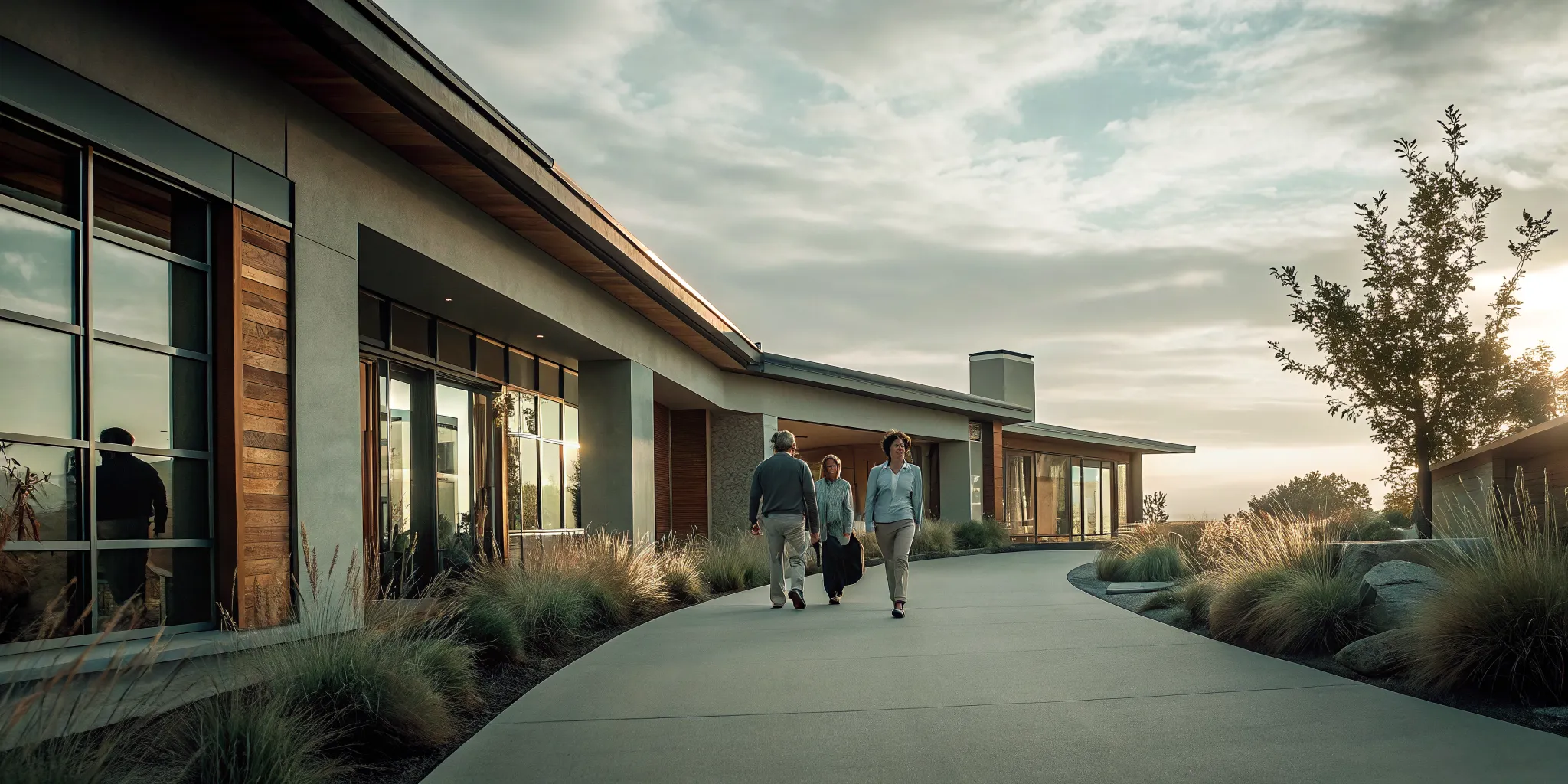
When a building’s foundation is cracked, you can’t fix it by just painting the walls. You have to go deeper and rebuild what’s broken. Recovery from addiction works in a similar way. It requires building a new, solid foundation for your life. A residential addiction treatment center is the place where you get the blueprint and the expert guidance to do just that. By providing a safe, structured environment away from daily life, it allows you to focus on the essential work of healing. With a combination of therapy, medical support, and peer connection, you can address the root causes of addiction and construct a strong framework for a stable, sober future.
Key Takeaways
- Residential treatment provides a dedicated healing space: By offering 24/7 support in a structured environment, this type of care removes you from daily triggers and allows you to focus completely on building a strong foundation for recovery.
- Choose a program that fits your unique needs: Effective treatment is never one-size-fits-all, so look for an accredited center with a treatment philosophy and specialized options, like dual diagnosis or holistic care, that align with your personal situation.
- Plan for life after treatment to ensure lasting success: Recovery continues after you leave, so creating a strong aftercare plan with relapse prevention strategies and ongoing support is essential for handling future challenges and maintaining sobriety.
What Is Residential Treatment?
When you hear the term “residential treatment,” it simply means you live at a treatment center while receiving care. Often called inpatient rehab, this approach provides a safe, structured environment completely removed from the people, places, and stressors that might trigger substance use. Think of it as a dedicated space where your only focus is on healing. By stepping away from your daily life, you get the chance to build a strong foundation for recovery with around-the-clock support from medical and therapeutic professionals. This immersive setting is designed to help you understand the roots of addiction and develop healthy coping skills in a place free from outside distractions.
Residential vs. Outpatient: What’s the Difference?
The main difference between residential and outpatient programs is where you live during treatment. Residential programs offer 24/7 care, which includes safe housing and constant access to medical and mental health support. You’ll live, eat, and attend therapy sessions all in one place. In contrast, outpatient programs allow you to live at home and travel to a facility for scheduled treatment sessions. This option offers more flexibility, but it also means you’ll need to manage daily triggers on your own. The right choice depends on your specific needs, the severity of the addiction, and your home environment. Many different types of drug rehab exist to fit various situations and levels of care.
Is Residential Treatment Right for You?
Deciding on the right level of care is a critical step, and it’s best made with professional guidance. An initial assessment with an addiction specialist is the most reliable way to determine if residential treatment is the right fit for you. During this evaluation, a professional will review your substance use history, mental and physical health, and home environment. Residential care is often recommended for individuals with a long history of substance use, co-occurring mental health conditions, or an unstable living situation. If you’ve tried outpatient programs before without success, the immersive structure of a residential center might offer the support you need. To start exploring your options, you can verify your benefits to see what your insurance plan covers.
Common Myths About Residential Rehab
Many people have misconceptions about residential rehab that can create fear or hesitation. One common myth is that it’s only for people who have hit “rock bottom.” In reality, residential treatment can be beneficial for individuals at any stage of their substance use journey. It’s a proactive choice for anyone who needs a structured, supportive environment to heal. Another myth is that every program is the same. The truth is that effective treatment is highly personalized. Your care plan will be tailored to your unique history, challenges, and recovery goals, ensuring you get the specific support you need for issues like alcohol addiction.
Exploring Different Residential Programs
Once you start looking, you’ll quickly see that residential treatment isn’t a one-size-fits-all solution. Centers vary widely in their approach, duration, and focus, which is actually great news. It means you can find a program that truly fits your specific needs and circumstances. The key is to understand the different types available so you can make an informed choice. Think about what kind of environment and support system would help you feel safe and motivated. Let’s walk through some of the most common program types to help you figure out what might be the best path for you or your loved one.
Short-Term vs. Long-Term Stays
One of the first things you’ll decide on is the length of your stay. Most residential programs last between 30 and 90 days. A 30-day program can be a powerful way to detox safely and build a foundation for recovery. However, many people find that a longer stay of 60 or 90 days gives them the time they need to dig deeper into the roots of their addiction and practice new coping skills. The right duration for you isn’t a predetermined number; it depends on your personal history, recovery goals, and the progress you make. Your treatment team will work with you to determine the ideal length for your drug addiction treatment plan.
Programs for Dual Diagnosis
It’s very common for addiction to go hand-in-hand with mental health conditions like depression, anxiety, or trauma. When these exist together, it’s called a dual diagnosis or a co-occurring disorder. If this sounds like your situation, it’s incredibly important to find a program that can treat both conditions at the same time. Trying to address the addiction without addressing the underlying mental health challenge can make lasting recovery much more difficult. Thankfully, many residential centers specialize in integrated care, providing both addiction counseling and mental health therapy to help you heal completely. This comprehensive approach gives you the best chance at building a healthy, sustainable future.
Specialized Care: Gender, Age, and Holistic Options
Many centers offer specialized programs to create a more comfortable and effective healing environment. Some people thrive in gender-specific programs, which provide a space to discuss sensitive topics openly with peers who have similar life experiences. You can also find programs tailored to certain age groups, like young adults, or affirming programs for the LGBTQ+ community. Beyond that, many centers integrate holistic therapies to support your overall well-being. These might include activities like yoga, meditation, art therapy, or nutritional counseling. This kind of alcohol treatment helps heal the whole person, not just the addiction.
What to Expect During Admissions
The admissions process is your first official step into residential treatment. It might sound formal, but it’s really a conversation designed to make sure you get the exact care you need. Think of it as the team getting to know you so they can build a recovery path that fits your life. This process typically includes an assessment, a plan for detox if needed, and guidance on how to prepare for your stay. It’s all about setting you up for success from day one, ensuring you feel safe, understood, and ready for the journey ahead. The goal is to make your transition into the program as smooth and stress-free as possible, so you can immediately start focusing on what matters most: your healing.
Your Initial Assessment and Personalized Plan
During your initial assessment, you’ll have a private conversation with a compassionate intake specialist. This isn’t a test; it’s a chance for them to understand your story. You’ll discuss your history with substance use, your physical and mental health, and what you hope to achieve. This information is crucial because effective drug addiction treatment is never one-size-fits-all. The team uses this conversation to create a personalized plan that addresses your specific needs and goals, targeting the root causes of addiction. It’s the blueprint for your recovery, designed just for you, ensuring your time in treatment is as effective as possible.
Starting with Medical Detox
For many people, the first step inside the treatment center is medical detox. If your body has become dependent on a substance, stopping suddenly can cause uncomfortable or even dangerous withdrawal symptoms. Medical detox provides a safe, supervised environment where you can manage these symptoms with professional support. Medical staff are available around the clock to ensure your comfort and safety. It’s important to remember that detox is about stabilizing your body. It’s the essential first phase that prepares you physically and mentally for the deeper therapeutic work of your alcohol treatment program.
How to Prepare and What to Pack
Once you’re set for admission, you’ll get guidance on what to bring. Each center has its own rules, so always ask for a packing list. Generally, you’ll want comfortable clothes, personal toiletries (alcohol-free), and a journal. Most centers restrict electronics and items that could distract from your recovery. Preparing also means handling responsibilities at home. You may need to arrange for time off work, childcare, or pet care. Taking care of these logistics beforehand allows you to focus completely on yourself and your healing. A great first step in this process is to verify your benefits to understand your coverage.
A Day in the Life: What Is Residential Treatment Like?
If you’re considering residential treatment, you’re probably wondering what daily life actually looks like. The idea can be intimidating, but a typical day is designed with one goal in mind: to give you the structure and support needed for healing. While every center has its own unique schedule, most follow a predictable rhythm that blends therapy, personal time, and activities that help you build a new foundation for your life.
This structured approach removes the chaos and unpredictability that often accompanies addiction. It allows you to focus completely on your recovery in a safe, stable environment, surrounded by professionals who are there to guide you every step of the way.
The Role of Structure, Routine, and 24/7 Support
Residential treatment, also known as inpatient rehab, means you live at the facility. This creates a secure space, free from the people, places, and situations that might trigger substance use. It’s an environment built on routine, which helps restore a sense of stability and predictability to your life. Your days are scheduled with therapy sessions, meals, and activities, so you can focus your energy on getting better.
Because you’re living on-site, you have access to round-the-clock medical and emotional support. This constant care is a key part of effective drug addiction treatment and is especially helpful if you have an unstable home life or need a complete break from your current environment to heal.
A Look at Individual and Group Therapy
The core of your day will revolve around different forms of therapy. Residential programs don’t use a one-size-fits-all approach; instead, your treatment is tailored to your specific needs and recovery goals. During your initial assessment, a team will work with you to create a personalized plan that addresses the root causes of your addiction.
You’ll participate in individual counseling for one-on-one work with a therapist and group sessions where you can share experiences and build community with peers. These sessions use proven methods like Cognitive Behavioral Therapy (CBT) to help you develop new coping skills. This combination of therapies is essential for successful alcohol treatment and helps you build a strong foundation for lasting recovery.
Integrating Holistic and Complementary Therapies
Modern treatment centers understand that recovery involves healing the whole person, not just the addiction. Many programs integrate holistic therapies to support your mental, physical, and spiritual well-being. These aren’t just distractions; they are therapeutic activities designed to help you reconnect with yourself and find healthy ways to manage stress.
Your schedule might include things like yoga, meditation, art or music therapy, nutritional counseling, and outdoor activities. These complementary practices help address the deeper issues that may have contributed to substance use. By focusing on your overall health, these therapies equip you with new passions and coping mechanisms that support long-term personal growth and a fulfilling life in recovery.
Key Therapies That Support Recovery
Residential treatment is much more than just a safe place to detox. It’s where the real work of recovery begins, and that work is guided by proven therapeutic methods. Think of therapy as your toolkit for building a new life free from addiction. In a residential setting, you’ll have the time and support to learn how to use these tools effectively. The goal is to understand the roots of your addiction and develop healthy, sustainable ways to cope with life’s challenges. Let’s look at some of the core therapies that make this transformation possible.
Understanding CBT and DBT
Cognitive Behavioral Therapy (CBT) and Dialectical Behavior Therapy (DBT) are two of the most effective approaches you’ll encounter. CBT helps you connect the dots between your thoughts, feelings, and actions. It teaches you to identify and challenge the negative thought patterns that fuel addiction, so you can develop healthier coping skills. DBT is a form of CBT that puts a special focus on managing intense emotions, tolerating distress, and improving your relationships. It’s especially helpful if you’re also dealing with other mental health concerns. Both therapies are fundamental to a comprehensive drug addiction treatment plan, helping you build a strong foundation for lasting change.
How Medication-Assisted Treatment (MAT) Helps
Medication-Assisted Treatment (MAT) is a science-backed approach that combines FDA-approved medications with counseling and behavioral therapies. It’s a powerful tool, especially for those recovering from opioid or alcohol addiction. The medications work by reducing intense cravings and easing the discomfort of withdrawal symptoms. This isn’t about replacing one substance with another; it’s about stabilizing your body so you can fully engage in the psychological work of recovery. By managing the physical aspects of dependence, MAT gives you the clarity and stability needed to focus on therapy and build the skills for a sober life. It’s a key component of many successful alcohol treatment programs.
The Role of Family Therapy
Addiction doesn’t just affect one person; it impacts the entire family. That’s why family therapy is such a vital part of the healing process. These sessions create a safe space to repair relationships, improve communication, and rebuild trust. A therapist helps everyone understand the family dynamics that may have contributed to the addiction and teaches healthier ways to interact and support one another. By educating your loved ones about addiction and recovery, you help create a strong, informed support system at home. This collaborative approach is essential for navigating the journey ahead and can make all the difference in maintaining long-term recovery.
Understanding the Cost of Residential Treatment
Thinking about the cost of treatment can feel overwhelming, but please don’t let it stop you from exploring your options. The price of residential care varies quite a bit depending on the facility, the length of your stay, and the specific services you need. While some luxury centers come with a high price tag, many others are committed to making treatment accessible.
The most important thing to know is that you have options. From insurance coverage to payment plans and sliding scale fees, there are many ways to manage the financial side of getting help. The goal is to find a quality program that fits your recovery needs and your budget. Let’s walk through how you can figure out the costs and find the support you need to move forward.
Will Insurance Cover Your Stay?
For many people, this is the biggest question, and the answer is often yes. Most health insurance plans, including private insurance, Medicaid, and Medicare, provide some level of coverage for addiction treatment. The key is understanding exactly what your specific plan covers. Coverage can differ greatly, affecting everything from your choice of facility to your out-of-pocket expenses.
The best first step is to verify your insurance benefits to see what is covered. You can do this by calling your provider directly or by speaking with an admissions specialist at a treatment center. They are experts at working with insurance companies and can help you understand your policy, including any deductibles or copayments, so there are no surprises down the road.
Exploring Financial Assistance and Payment Options
If your insurance doesn’t cover the full cost or if you don’t have insurance, there are still other avenues for financial support. Many treatment centers want to help and offer different payment solutions. One common option is a “sliding scale” fee, which adjusts the cost of care based on your income. This makes treatment more affordable for those with limited financial resources.
The price of drug addiction treatment also depends on factors like the program’s length and intensity. Beyond sliding scales, some facilities offer payment plans that allow you to pay the cost over time rather than all at once. It’s always worth asking an admissions counselor directly about scholarships, grants, or financing options they might have available. They are there to help you find a workable solution.
How to Choose the Right Residential Treatment Center
Finding the right residential treatment center can feel like the most important decision you’ll make, and in many ways, it is. This is where you’ll build the foundation for your recovery. The good news is that you have options, and knowing what to look for can make the process much clearer. Think of it less like a test and more like finding a place that fits you personally. The right center will not only provide expert care but will also feel like a safe space to heal. To help you find that fit, let’s walk through the four most important factors to consider.
Check for Accreditation and Staff Credentials
When you’re looking for a treatment center, think of accreditation as a seal of quality. It shows that a facility is committed to high standards of care. You should look for centers that have earned the “Gold Seal of Approval” from The Joint Commission, which is a key indicator of safety and quality. Another respected accrediting body is the Commission on Accreditation of Rehabilitation Facilities (CARF). Beyond the facility itself, look at the people who will be guiding you. The staff should have the right credentials, like licensed therapists, medical doctors, and certified addiction counselors. This expertise ensures you’re getting evidence-based and professional support for your drug addiction treatment.
Ask About the Staff-to-Patient Ratio
The staff-to-patient ratio is a simple but powerful number that tells you how much personal attention you can expect to receive. As one treatment provider notes, “A lower ratio often means more personalized attention and support, which can significantly enhance the recovery experience.” A smaller group size allows therapists and staff to get to know you, understand your specific challenges, and offer support when you need it most. When you have more one-on-one time, you can build stronger, more trusting relationships with your care team. Don’t be shy about asking admissions staff this question directly. It’s a practical way to gauge the level of individualized care you’ll get during your alcohol treatment.
Understand Their Treatment Philosophy
Every center has a core philosophy that guides its approach to recovery. Some focus heavily on 12-step principles, while others might use a more clinical approach with therapies like CBT or DBT. Many now offer holistic options that include yoga, meditation, or art therapy. The key is finding a philosophy that aligns with your personal beliefs and needs. A one-size-fits-all method rarely works, because addiction is deeply personal. A quality program should be “tailored to meet the individual needs and goals of the patient.” This personalized approach is what helps you address the root causes of substance use, giving you a better chance at lasting recovery.
Consider the Location and Environment
Where you choose to go for treatment matters. Some people prefer to stay close to home to remain near their family’s support system. Others find it helpful to travel, creating distance from daily triggers and stressors. The physical setting can also have a big impact. As experts point out, “The environment of a treatment center can play a significant role in recovery.” A quiet, peaceful location can provide a supportive backdrop for healing. Think about what would make you feel most at ease. Do you prefer a place with access to nature, or a more structured, modern facility? The right environment helps you feel safe, allowing you to focus completely on your recovery journey.
Key Questions to Ask Before You Enroll
Choosing a residential treatment center is a deeply personal decision, and it’s completely normal to feel a mix of hope and uncertainty. To feel confident in your choice, it helps to have a clear set of questions ready when you speak with admissions staff. Think of this as your personal checklist to ensure a program aligns with your needs. Finding the right fit is about more than just services; it’s about finding a place where you feel safe, seen, and supported on your path to recovery.
What’s the Treatment Approach?
Every person’s journey with addiction is unique, so your treatment plan should be too. Avoid any center that offers a generic, one-size-fits-all program. Instead, look for a facility that creates a specialized plan based on your specific history, challenges, and goals. Ask about the qualifications of the therapists, doctors, and support staff. You want to know you’re in the hands of licensed and experienced professionals. Don’t be shy about asking for specifics.
Key questions include:
- How do you develop an individualized treatment plan for each resident?
- What specific therapies do you offer, such as CBT, DBT, or family counseling?
- What are the credentials and specialties of your clinical team?
- What is the staff-to-patient ratio?
What Are the Costs and Insurance Details?
Understanding the financial commitment upfront can relieve a significant amount of stress, allowing you to focus completely on your recovery. Most treatment centers have a team dedicated to helping you sort through the financial side of things. They can help you verify your insurance benefits and explain exactly what’s covered and what your out-of-pocket costs might be. If you don’t have insurance or your coverage is limited, ask if they offer payment plans or fees based on a sliding scale.
Key questions include:
- Can you help me confirm what my insurance plan will cover?
- What is the total cost of the program, including any additional fees?
- Do you offer any financial assistance, payment plans, or scholarships?
What Happens After I Leave?
Recovery doesn’t end when you walk out the door of the treatment center. The transition back to daily life is a critical phase, and a great program will prepare you for it. Ask detailed questions about their approach to continuing care. Strong aftercare programs are a sign that a facility is invested in your long-term success. This support system can make all the difference in maintaining your sobriety and building a fulfilling life in recovery.
Key questions include:
- What does your aftercare planning process involve?
- Do you help residents connect with local therapists and support groups like AA or SMART Recovery?
- Is there an alumni program to stay connected with peers?
Overcoming Barriers to Treatment
Making the decision to seek residential treatment is a huge step, and it’s completely normal to feel overwhelmed by the obstacles in your path. Concerns about what other people will think, fear of the unknown, and navigating complex family dynamics can feel just as daunting as the addiction itself. But these barriers are not insurmountable. Recognizing them is the first step, and with the right support and perspective, you can work through them to get the help you deserve.
Working Through Stigma and Fear
Let’s be honest: the thought of checking into rehab can be scary. You might worry about being judged, losing your job, or stepping away from your life. These fears are valid, but they don’t have to hold you back. Residential treatment offers a safe, structured environment away from the people, places, and things that trigger substance use. Think of it not as giving up, but as giving yourself a protected space to heal and focus completely on your well-being. Choosing to get help is an act of incredible strength. It’s you taking control of your future and committing to a healthier life, and finding the right drug addiction treatment program is a powerful first move.
How to Involve and Support Your Family
Addiction rarely affects just one person; it sends ripples through the entire family. While your recovery journey is your own, involving your loved ones can create a powerful support system for lasting change. Many residential centers recognize this and offer family therapy sessions or dedicated family programs. These programs help educate your family about addiction, heal strained relationships, and teach everyone how to support each other in healthy ways. Opening these lines of communication builds a foundation of understanding and teamwork that will be essential long after you complete your program. This collaborative approach is a cornerstone of many successful alcohol treatment plans.
Life After Treatment: Creating Your Aftercare Plan
Completing a residential treatment program is a monumental achievement, and you should be incredibly proud of the work you’ve done. But recovery is a journey, not a destination. The time immediately following your stay is when your commitment to sobriety is put to the test in the real world. This is where an aftercare plan comes in. Think of it as your personal roadmap for navigating life after treatment, designed to support your long-term success.
A strong aftercare plan isn’t just a list of things to do; it’s a proactive strategy for building a resilient and fulfilling life in recovery. Most treatment centers will help you create this plan before you leave, ensuring you have a solid support system in place from day one. It gives you a clear path forward, helping you manage challenges and stay connected to the resources that keep you grounded. Your plan will be unique to you, but it will generally focus on three core areas: developing strategies to prevent relapse, finding ongoing emotional support, and getting practical help as you re-enter daily life.
Develop Relapse Prevention Strategies
One of the most important parts of your aftercare plan is your relapse prevention strategy. During treatment, you and your counselors will work to develop personalized strategies that address your individual triggers and teach you healthy coping mechanisms. A trigger can be anything: a person, a place, a stressful situation, or even a specific feeling that makes you want to use again. The goal is to identify these triggers ahead of time so you can have a plan in place to handle them.
This plan might include calling your sponsor, practicing a mindfulness exercise, going for a run, or simply removing yourself from the situation. Having these coping skills ready means you won’t be caught off guard when a craving strikes. Your relapse prevention plan is your first line of defense, empowering you to face challenges with confidence instead of fear. It’s a critical tool for anyone seeking lasting recovery from alcohol addiction.
Find Support Groups and Ongoing Therapy
You don’t have to walk the path of recovery alone. In fact, connection is one of the most powerful tools for maintaining sobriety. Your aftercare plan should absolutely include finding ongoing therapy and support groups. As experts at Rockland Recovery note, these resources are “crucial for maintaining sobriety and addressing the underlying issues related to addiction.” They provide a safe space to share your experiences with people who truly understand what you’re going through.
Options like Alcoholics Anonymous (AA), Narcotics Anonymous (NA), and SMART Recovery offer invaluable peer support and a sense of community. Continuing with individual therapy can also help you keep working on the personal challenges that may have contributed to your addiction. This ongoing support system helps you stay accountable and reminds you that a whole community is rooting for your success in drug addiction treatment.
Get Support for Re-entering Daily Life
Transitioning from the structured, 24/7 support of a residential facility back into the rhythms of everyday life can feel overwhelming. A good aftercare plan addresses this by providing practical support for your re-entry. This might include moving into a sober living home, which offers a supportive, drug-free environment to help you ease back into independence. These programs are an excellent step-down option that bridges the gap between inpatient care and returning home.
Beyond housing, you might need help with other life skills, like finding a job, managing your finances, or rebuilding relationships with family. Many aftercare programs offer resources for vocational training and assistance with creating a budget. This practical support helps you build a stable foundation for your new life, reducing stress and allowing you to focus on what matters most: your health and well-being. Exploring different drug rehab options can help you find programs with strong aftercare components.
Related Articles
- What Is Inpatient Rehab?
- How Long Do Residential Treatment Programs Last?
- Alcohol Rehab: What to Expect
- Drug Rehab: Types, Process, and What to Expect
- Support Groups for Addiction Recovery
Frequently Asked Questions
How do I know if I need residential treatment instead of an outpatient program? Deciding on the right level of care is a big step, and it really depends on your personal situation. Residential treatment is often recommended if you need a complete break from your daily environment to focus on healing, especially if you have an unstable home life or co-occurring mental health conditions like anxiety or depression. It provides 24/7 support in a safe, structured setting. The best way to know for sure is to get a professional assessment from an addiction specialist who can help you choose the path that gives you the strongest chance at success.
I’m worried I can’t afford residential treatment. What are my options? This is a very common and valid concern, so please don’t let it stop you from seeking help. Many insurance plans cover addiction treatment, and the first step is to verify your benefits to see what your policy includes. If you don’t have insurance or your coverage is limited, many centers offer other solutions. You can ask about sliding scale fees, which adjust the cost based on your income, or inquire about payment plans that let you pay over time. Admissions counselors are there to help you find a financial solution that works.
Will I just be sitting in therapy all day? Not at all. While therapy is the core of the program, a typical day in residential treatment is designed to heal your whole self, not just keep you in a chair. Your structured schedule will include a mix of individual counseling, group therapy sessions with peers, and other supportive activities. Many centers also integrate holistic practices like yoga, meditation, art therapy, or nutritional counseling to help you develop healthy new habits and find positive ways to manage stress.
My family is a big part of my life. How can they be involved in my recovery? Involving your family is a powerful part of the healing process, and most centers strongly encourage it. Addiction affects everyone, not just the individual. Many programs offer family therapy sessions or educational workshops to help your loved ones understand addiction, improve communication, and learn how to best support you. This helps repair relationships and ensures that when you return home, you are returning to a supportive and informed environment.
What happens when the program is over? Am I just on my own? Absolutely not. A good residential program knows that recovery is a long-term journey, and they will not send you off without a plan. Before you complete your stay, you will work with your counselors to create a detailed aftercare plan. This roadmap for your new life includes relapse prevention strategies, connections to ongoing therapy, and resources for support groups like AA or SMART Recovery. The goal is to ensure you have a strong support system in place to help you navigate daily life with confidence.

Published on:
Updated on: