
The Creed of Recovery – Lancaster, Ohio
551 1/2 East Main Street, Lancaster, Ohio, 43130
Last Updated: November 23, 2026
Insurance
Payment Options
- Medicaid
- Private health insurance
- Cash or self-payment
- State-financed health insurance plan other than Medicaid
Addiction Resource Score
Scoring is assigned by a proprietary system which helps surface key metrics that determine quality. The 10-point scale factors in categories such as operations, customer satisfaction, and trust metrics.
We understand that choosing an addiction treatment center can be overwhelming, especially with so many options, promises, and marketing messages. That's why we've developed a clear, standardized rating system designed to cut through the noise and highlight what truly matters: safety, quality of care, and transparency. Our goal is to give individuals and families the information they need to make confident, informed decisions during a critical time.
In this guide, we explain exactly how we rate treatment centers—from accreditation and staff credentials to therapy options, facility environment, and family involvement. You'll see how we assign scores, award badges, and update listings to ensure accuracy and fairness. Most importantly, our system focuses on elevating centers that prioritize ethical, evidence-based care, not just those with the best marketing. This way, you can trust that the ratings you see reflect meaningful standards that help you find the right fit for lasting recovery.
8.0
Out of 10
Facility Overview
The Creed of Recovery is a behavioral health and addiction recovery organization based in Lancaster, Ohio. Operating through Creed Integrated Behavioral Health Services, the organization provides outpatient substance use and mental health treatment, intensive outpatient programming, community integration, case management, and separate recovery housing for adults working toward greater independence.
The organization was founded on May 30, 2017, with the goal of providing structure and guidance to people rebuilding their lives during recovery. Its philosophy emphasizes personal responsibility, trust, self-reliance, and continued growth rather than treating recovery as a single event.
The Creed of Recovery operates counseling services and recovery housing as separate programs. Its historical counseling address is 551 1/2 East Main Street in Lancaster, with clinical offices in a building behind the recovery housing property.
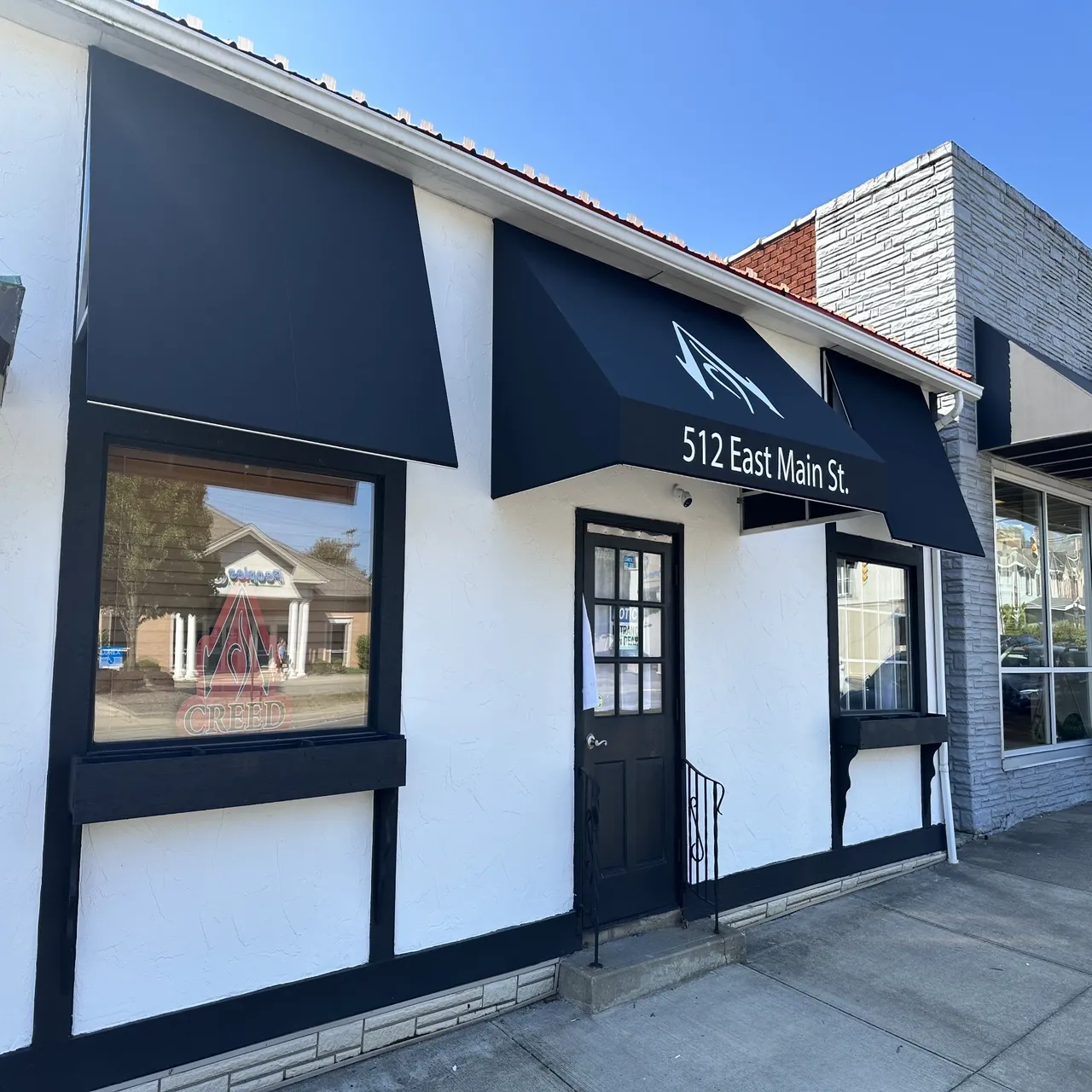
The provider’s current homepage also identifies Creed Integrated Behavioral Health Services at 512 East Main Street in Lancaster. Patients should confirm which office currently provides their scheduled services before traveling.
The recovery housing program operates at 551 East Main Street. Unlike the outpatient counseling services, recovery housing involves accommodation in a structured sober living environment and requires a separate monthly program fee.
The organization states that outpatient counseling is available to the general public and does not require participation in its recovery housing program. Individuals may use one service or several services depending on their needs.
The Creed of Recovery is accredited by CARF International. CARF identifies accredited programs in intensive outpatient treatment, community integration, and integrated substance use and mental health case management for adults.
The organization’s intensive outpatient program provides structured substance use and mental health treatment through scheduled individual, group, and family counseling activities.
The intensive outpatient program requires at least nine hours of direct clinical contact each week. The provider offers morning and evening groups three days per week to help participants access treatment while managing other responsibilities.
The program may serve individuals transitioning from detoxification, residential rehabilitation, or another higher level of care. It may also help individuals begin treatment before their circumstances require a more intensive setting.
The provider identifies cognitive behavioral therapy, motivational interviewing, acceptance and commitment therapy, and psychotherapy among the approaches used in its intensive outpatient program.
Recovery and resiliency education are important components of treatment. Participants work on recognizing relapse risks, strengthening coping skills, identifying supportive relationships, and developing personal recovery goals.
The Creed of Recovery also provides community integration services for adults in Fairfield County. This program addresses practical barriers to independence, including employment, transportation, identification documents, benefits, financial responsibilities, and access to community resources.
Community integration planning may include assistance obtaining identification, applying for benefits, preparing a resume, developing a household budget, addressing outstanding legal or financial obligations, and planning for transportation.
The organization describes community integration as a process of establishing achievable goals and demonstrating progress toward greater independence. Not every objective must be completed before a participant can benefit from the program.
Case management services focus on individualized assessment, service coordination, advocacy, monitoring, and follow-up. These services help participants access healthcare, housing, employment, education, and other resources that may support recovery.
Community Psychiatric Supportive Treatment, commonly called CPST, is included within the organization’s case management services. This program helps adults address mental health-related barriers to functioning in the community.
CPST services may involve symptom monitoring, coordination with healthcare and social service providers, crisis-related support, development of daily living skills, and assistance accessing formal and informal support networks.
The organization’s separate recovery housing program provides a structured environment for people developing sober living habits and independent living skills. Housing participants are expected to work toward personal responsibility and long-term community stability.
The provider states that the recovery housing program charges a monthly self-payment fee covering living needs other than food and clothing. Housing fees and eligibility requirements should be confirmed directly with the organization.
Recovery housing participants may have access to recovery support activities, community meetings, recreational opportunities, and an all-access YMCA membership identified on the organization’s official services page.
The Creed of Recovery emphasizes connections with community recovery resources, including 12-step programs, mentoring, faith-based activities, and sober recreational opportunities.
Its outpatient treatment programs accept major commercial insurance plans, Ohio Medicaid managed care plans, and self-payment. Coverage for individual services depends on eligibility and the patient’s insurance arrangement.
The Creed of Recovery can be contacted at 614-404-6008 or thecreedofrecovery@icloud.com. The organization lists weekday office hours of 9:00 a.m. to 6:00 p.m., with weekend appointments available by arrangement.
Who This Facility Is For
The Creed of Recovery serves adults experiencing substance use disorders, mental health concerns, or difficulties maintaining stability during recovery. Its intensive outpatient program may be appropriate for individuals who need structured counseling but can continue living in the community, including those transitioning from detoxification or residential treatment and those seeking early intervention before a higher level of care becomes necessary.
The organization also supports adults who need help rebuilding daily living skills, securing employment, accessing benefits, resolving practical barriers, or establishing stable recovery housing. Its separate sober living program may benefit individuals seeking a structured alcohol- and drug-free living environment. People requiring medical detoxification, hospital inpatient care, or licensed residential clinical treatment should seek an appropriate higher level of care.
- Alcohol use disorder
- Drug use disorders
- Opioid use disorder
- Stimulant use disorder
- Prescription drug misuse
- Polysubstance use
- Repeated substance use relapse
- Difficulty maintaining sobriety
- Substance use cravings and triggers
- Co-occurring substance use and mental health concerns
- Emotional distress affecting recovery
- Trauma-related recovery concerns
- Difficulty managing thoughts and behaviors
- Limited coping skills
- Recovery motivation difficulties
- Family relationship difficulties
- Social functioning challenges
- Limited community support
- Unstable recovery housing
- Housing insecurity
- Employment-related recovery barriers
- Financial management difficulties
- Transportation barriers
- Difficulty obtaining identification documents
- Legal and financial obligations affecting recovery
- Limited independent living skills
- Difficulty accessing healthcare or public benefits
- Need for psychosocial rehabilitation
- Need for continuing outpatient treatment
- Aftercare and relapse prevention needs
The organization provides integrated behavioral health services, but the available information does not establish dedicated treatment programs for every psychiatric diagnosis or substance category listed above.
Patients experiencing severe withdrawal symptoms, medical instability, or acute psychiatric emergencies may require medical assessment or treatment at another facility.
The Creed of Recovery refers crisis intervention needs to external crisis services rather than advertising a hospital-based psychiatric emergency department.
- Adults aged 18 and older
- Young adults aged 18 and older
- Adult men
- Adult women
- Individuals experiencing alcohol addiction
- Individuals experiencing drug addiction
- Individuals with co-occurring mental health concerns
- Individuals transitioning from medical detoxification
- Individuals transitioning from residential addiction treatment
- Individuals requiring intensive outpatient treatment
- Individuals needing individual or group counseling
- Individuals seeking sober recovery housing
- Individuals experiencing housing instability
- Individuals needing case management
- Individuals requiring community integration support
- Individuals with employment-related barriers
- Individuals experiencing financial difficulties
- Individuals needing transportation assistance
- Individuals with unresolved legal obligations
- Individuals involved with courts or legal systems
- Individuals needing family relationship support
- Individuals seeking peer recovery connections
- Individuals working toward independent living
- Individuals requiring relapse prevention support
The provider states that its CPST services focus on adults, even though the broader CPST service model may be used with children and families at other organizations.
The Creed of Recovery accepts referrals from healthcare providers, social service agencies, schools, legal organizations, and other community sources.
Individuals do not need to reside in the organization’s recovery housing program to receive outpatient counseling.
Recovery housing eligibility and outpatient treatment eligibility are separate. Applicants should confirm the requirements for each program individually.
- Comprehensive behavioral health assessment
- Substance use assessment
- Mental health assessment
- Individualized treatment planning
- Intensive outpatient treatment
- Regular outpatient counseling
- Integrated substance use and mental health treatment
- Individual counseling
- Group therapy
- Family counseling
- Psychotherapy
- Cognitive behavioral therapy
- Motivational interviewing
- Acceptance and commitment therapy
- Trauma-informed outpatient counseling
- Relapse prevention counseling
- Weekly relapse prevention groups
- Recovery education
- Wellness education
- Resiliency education
- Community integration
- Psychosocial rehabilitation
- Case management
- Service coordination
- Community Psychiatric Supportive Treatment
- Mental health symptom monitoring
- Supportive counseling
- Crisis-related service coordination
- Housing assistance and referrals
- Structured recovery housing
- Employment preparation
- Resume development
- Job application assistance
- Financial literacy and budgeting
- Benefits application assistance
- Identification document assistance
- Transportation coordination
- Legal and court-related service coordination
- Child support and financial obligation planning
- Independent living skills development
- Family and social support development
- 12-step recovery support
- Peer mentoring and community support
- Faith-based recovery activities
- Sober recreational activities
- Discharge planning
- Aftercare coordination
- Continuing recovery support
The intensive outpatient program is one of The Creed of Recovery’s primary clinical services. It provides scheduled integrated substance use and mental health treatment for adults who need a structured level of care without overnight hospitalization.
The program requires at least nine hours of direct clinical contact each week. These hours may include individual counseling, family counseling, and group therapy.
The provider offers morning and evening intensive outpatient groups three days per week. This scheduling is intended to improve treatment accessibility for individuals with different daily responsibilities.
Intensive outpatient treatment may be used after detoxification, residential rehabilitation, or partial hospitalization. It may also help individuals address substance use and mental health concerns before a more intensive treatment setting becomes necessary.
The provider describes its intensive outpatient treatment as person-centered. Treatment plans are developed around each participant’s needs, goals, strengths, and recovery circumstances.
Individual psychotherapy and counseling may help participants explore personal challenges, behavioral patterns, emotional concerns, and recovery goals.
Group therapy provides structured opportunities to discuss recovery experiences, develop coping skills, and learn from other participants.
Family counseling is included among the intensive outpatient program’s direct-contact services. Family involvement may help address communication difficulties and strengthen supportive relationships.
Cognitive behavioral therapy is identified as a treatment approach. CBT helps individuals recognize connections between thoughts, emotions, and behaviors that may interfere with recovery.
Motivational interviewing is another documented approach. It helps participants explore their reasons for change and strengthen commitment to recovery goals.
Acceptance and commitment therapy is also identified by the provider. ACT-based interventions may help individuals develop psychological flexibility and take actions consistent with personal values.
Recovery education addresses wellness, resiliency, relapse prevention, and other subjects relevant to maintaining long-term behavioral change.
The intensive outpatient program includes regular reviews of treatment progress. The provider states that person-centered plans are reviewed at least every 30 days, with objectives updated as needed.
Participants may receive less intensive services after completing IOP. The organization identifies weekly relapse prevention groups, individual sessions, and coordination with community stakeholders as continuing care options.
The Creed of Recovery’s community integration program supports adults in Fairfield County who need assistance addressing practical barriers to independent living.
The program begins with assessment of personal needs and development of goals related to housing, identification, benefits, employment, transportation, and financial responsibilities.
Participants may receive assistance obtaining identification documents, including birth certificates, Social Security cards, and state identification.
Community integration services may also help individuals access health insurance, food assistance, clothing resources, and other public or community benefits.
Employment-related support may include resume preparation, job application assistance, access to relevant resources, and planning for sustainable employment.
Financial planning is another component. Participants may work toward developing a budget, identifying outstanding debts, establishing payment plans, and opening banking accounts.
The provider identifies transportation and driver’s license goals as possible components of community integration. Individual objectives depend on each person’s circumstances and available resources.
The community integration program also addresses unresolved legal obligations, including court costs, fines, and child support responsibilities.
These services focus on planning and measurable progress. The provider explains that a successful plan does not necessarily require every financial or legal obligation to be fully resolved during the program.
Case management provides individualized support through assessment, referral, advocacy, coordination, monitoring, and follow-up.
The provider identifies housing, homelessness, benefits, employment, substance use, and mental health concerns among areas assessed during case management intake.
Case management may include coordination of medical, dental, and vision services, along with assistance accessing transportation and community resources.
The organization describes critical time interventions involving community linkages, crisis-related coordination, and follow-up support.
Community Psychiatric Supportive Treatment is included within the case management program. CPST supports adults whose mental health needs affect their ability to function independently in the community.
CPST activities may include ongoing assessment, symptom monitoring, daily living skills development, coordination with healthcare providers, advocacy, and support accessing community services.
Psychosocial rehabilitation activities may address budgeting, education, sober recreation, community participation, and relapse prevention.
The organization’s recovery housing program operates separately from outpatient treatment. It provides a structured sober living environment intended to help participants develop independence and personal responsibility.
Recovery housing residents may participate in outpatient treatment, community integration, case management, or other recovery supports when appropriate, but housing participation is not required for outpatient counseling.
The provider identifies 12-step programs, mentoring, faith-based activities, and sober recreational opportunities among its recovery support resources.
Its services page also identifies an all-access YMCA membership as a benefit associated with recovery housing.
The Creed of Recovery coordinates with healthcare providers, social service agencies, schools, employers, legal systems, child welfare agencies, and other community organizations when relevant to a participant’s treatment plan.
The organization does not identify on-site hospital inpatient treatment or medical detoxification as services provided through its Lancaster outpatient offices.
Recovery housing should not be classified as licensed residential clinical addiction treatment. Patients requiring medically supervised withdrawal management or 24-hour clinical rehabilitation should seek an appropriate treatment provider.
Individuals interested in services should contact the organization at 614-404-6008 to arrange an assessment or discuss admission requirements.
The provider encourages prospective participants to meet with a social worker for a comprehensive assessment before determining which services are appropriate.
Outpatient counseling is available independently of recovery housing. Individuals do not need to live in a Creed recovery residence to receive treatment.
The intensive outpatient program requires at least nine hours of direct clinical contact per week. Patients should discuss whether this schedule is appropriate for their needs.
Morning and evening IOP groups are offered three days weekly. Current group schedules and appointment availability should be confirmed with admissions.
The provider identifies adults as the primary population for its CARF-accredited programs. Individuals seeking services for children or adolescents should confirm eligibility before scheduling.
Community integration services focus on adults in Fairfield County and may require documentation relevant to benefits, identification, employment, or housing needs.
Recovery housing involves a separate admission process and monthly self-payment fee. Applicants should ask about current housing availability, house rules, financial requirements, and expectations for participation.
Recovery housing is designed to support independent sober living and is not a substitute for medical detoxification or inpatient psychiatric care.
Individuals experiencing severe withdrawal symptoms or acute psychiatric emergencies should seek appropriate medical or crisis intervention services.
The provider’s official contact page refers individuals requiring crisis intervention to Fairfield County’s 24-hour mental health crisis line at 740-687-8255.
The organization’s published weekday office hours are 9:00 a.m. to 6:00 p.m., with weekend appointments available by arrangement. Recovery housing admissions are described as available seven days per week.
Patients should verify whether their appointment is scheduled at 512 East Main Street or 551 1/2 East Main Street, as both addresses appear in the provider’s official information.
For outpatient treatment, case management, community integration, or recovery housing inquiries, contact 614-404-6008.
Insurance and Payment Options
The Creed of Recovery states that its intensive outpatient treatment program accepts major commercial health insurance plans, Ohio Medicaid managed care plans, and self-payment.
The existing facility listing also identifies state-financed health insurance plans other than Medicaid. Current acceptance of this additional category has not been independently confirmed by the provider.
Outpatient counseling and recovery housing have different payment arrangements. The organization states that recovery housing requires a monthly self-payment fee covering living needs other than food and clothing.
Patients should verify insurance coverage for the specific service they intend to use, including intensive outpatient treatment, individual counseling, case management, or other behavioral health services.
The provider confirms acceptance of Ohio Medicaid managed care plans for intensive outpatient treatment. Patients should verify participation under their specific Medicaid plan.
Individuals with commercial health insurance should confirm network participation and whether their policy covers the recommended outpatient services.
Coverage for intensive outpatient treatment may depend on medical necessity requirements, authorization procedures, and the number of treatment hours approved.
Patients should ask whether individual counseling, family counseling, group therapy, and other clinical services are covered under their specific insurance benefits.
Case management and community psychiatric supportive treatment may have different billing and eligibility requirements from intensive outpatient counseling.
Individuals without insurance should request current self-payment rates for assessments, counseling, and other services.
Recovery housing requires a separate monthly self-payment fee. The provider states that the fee covers living needs except food and clothing.
Applicants should request current housing fees, payment schedules, deposits if applicable, and a complete explanation of included and excluded expenses.
Individuals receiving outpatient counseling while living in recovery housing should verify treatment and housing costs separately.
Historical listing information identifies state-financed health insurance plans other than Medicaid. Current acceptance should be confirmed directly with the organization.
Patients should ask whether transportation assistance, community integration services, and other support activities involve additional costs or eligibility requirements.
Before beginning treatment, individuals should confirm expected financial responsibility, insurance authorization, program schedules, and payment arrangements.
For current insurance and payment information, contact The Creed of Recovery at 614-404-6008.
Treatment Options
The facility offers multiple levels of care, such as:
- Mentoring/peer support
- Housing services
The center treats the following addictions and co-occurring disorders:
- Clients with co-occurring mental and substance use disorders
- Criminal justice (other than DUI/DWI)/Forensic clients
- Clients who have experienced trauma
- Comprehensive mental health assessment
- Comprehensive substance use assessment
Treatment Modalities
- Couples/family therapy
- Group counseling
- Cognitive behavioral therapy
- Dialectical behavior therapy
- Integrated Mental and Substance Use Disorder treatment
Conditions Treated
- Alcoholism
- Mental health treatment
- Substance use treatment
- Co-occurring Disorders
Levels Of Care
- Outpatient
- Intensive outpatient treatment
- Regular outpatient treatment
- Recovery housing
- Community integration
- Psychosocial rehabilitation
- Case management
- Aftercare
License and Accreditation
Ancillary Services
- Intensive case management
- Case management service
- Court-ordered outpatient treatment
- Family psychoeducation
- Legal advocacy
- Psychosocial rehabilitation services
Hope Without Commitment
Find the best treatment options. Call our free and confidential helpline.
Most private insurances accepted